

You are here
Back to topVietnam’s Fruit and Vegetable Imports Surge Amid Growing Demand
April 26, 2026
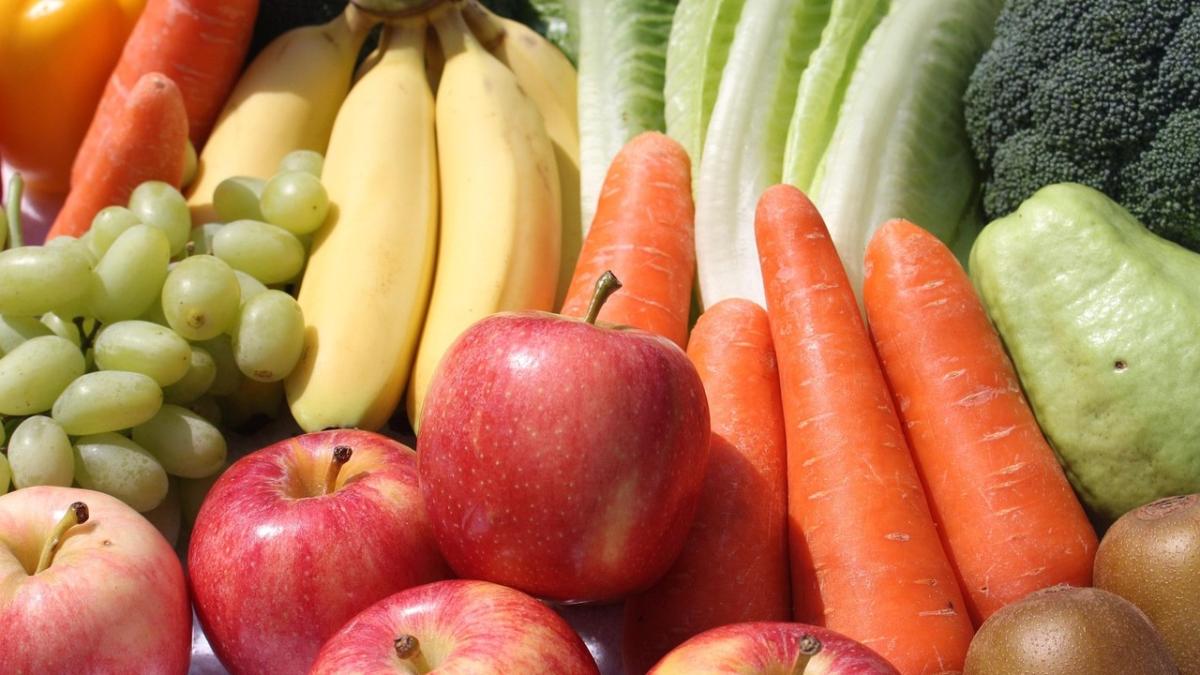


According to data from Vietnam Customs, the value of Vietnam’s fruit and vegetable imports is expected to exceed $1 billion in the first four months of this year, marking a 34% increase compared with the same period of last year. In the first quarter of 2026, the value of the country’s fruit and vegetable imports continued to rise significantly, reaching $796 million, a 32% increase from the same period of last year. This trend is reportedly being driven by increased supply from multiple countries coupled with rising consumer demand.
China remains the largest supplier, accounting for nearly 40% of the market share with imports valued at over $315 million (+41%). The United States ranks second with a market share of just under 27% and imports valued at $213.7 million (+29%).
Among the rapidly growing supplying countries, fruit and vegetable imports from India nearly doubled, reaching $25.6 million (+90%). Thailand, although smaller in scale, experienced the strongest growth, reaching $16 million (+157%). Australia also maintained strong momentum, with imports totaling $56.6 million (+66%).
According to a recent report by online newspaper VnExpress, fruits such as apples, table grapes, kiwifruit, peaches and plums are popular, with a wide range of prices giving consumers multiple options. For example, Chinese kiwifruit are priced at around 90,000 Vietnamese dong ($3.41) to 120,000 dong ($4.55) per kilogram, while New Zealand kiwifruit are priced between 150,000 dong ($5.69) and 350,000 dong ($13.28) per kilogram.
The proportion of imported fruits at a market in Gia Dinh Ward, Ho Chi Minh City, has significantly increased. A fruit vendor called Van stated that imported fruits once accounted for about 20% of her stall’s offerings, but they now make up 30–40%, with the figure reaching as high as 50% during peak season. The increased supply of fruits from China, Thailand and Australia has led to a substantial drop in the prices of many products. For example, the price of Australian citrus, which was once as high as 500,000 dong ($18.97) per kilogram, has now dropped to between 120,000 dong ($4.55) and 170,000 dong ($6.45) per kilogram, directly competing with Chinese citrus priced at between 60,000 dong ($2.28) and 80,000 dong ($3.03) per kilogram.
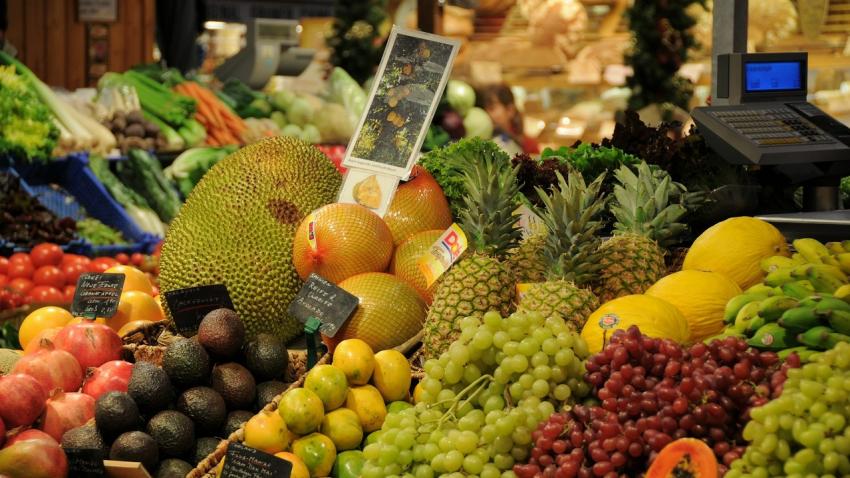
In Vietnamese supermarkets and convenience stores, consumers can easily find a variety of fruits from Australia, China, Thailand, New Zealand and other countries, all of which are clearly labeled with traceability information.
Lu Minh Quang, the import director of Biovegi Joint Stock Company, explained that the implementation of free trade agreements, such as the European Union–Vietnam Free Trade Agreement and the Comprehensive and Progressive Agreement for Trans-Pacific Partnership, has reduced import tariffs on many major fruits to very low levels, even as low as 0%. Meanwhile, Vietnam’s domestic policies have been adjusted to decrease tariffs on certain key products. Starting in 2025, the import tariff on U.S. cherries was reduced from 10% to 5%, while the tariff on U.S. apples dropped from 8% to 5%, which has contributed to lower retail prices.
In addition to tax factors, Lu believes that ongoing improvements in cold chain logistics systems and competition among importers have also helped to reduce distribution costs. As a result, many fruits that were once considered high-end, such as cherries and apples from the United States and kiwifruit from New Zealand, are now more commonly found not only in supermarkets but also on e-commerce platforms.
In terms of demand, the growth in consumer income and changes in consumption habits have also fueled imports. The expanding middle class has driven a rising demand for high-quality temperate fruits, whether for personal consumption or as gifts. The rapid development of the modern retail system has further facilitated the wider distribution of imported goods to consumers.
Image: Pixabay
This article was translated from Chinese. Read the original article.
Produce:
Related Reads



-
September 07, 2026
-
September 03, 2026
-
September 02, 2026
-
September 01, 2026
-
August 31, 2026
-
August 13, 2026
-
August 11, 2026
-
August 24, 2026
-
August 17, 2026
-
August 13, 2026
Upcoming Events

Featured Produce

Produce Marketplace
- ElGhouati Crops · Morocco
- ElGhaoutiCrops · Morocco
- Elangeni Food Group · South Africa
- Hainan ITG Logistics · A26,Haikou
- Joshua Lim · Malaysia
- City fresh fruit co. · Thailand

Add new comment