

You are here
Back to topSouth Africa’s Apple Exports to China Stabilize at 1 Million Cartons Annually
April 12, 2026
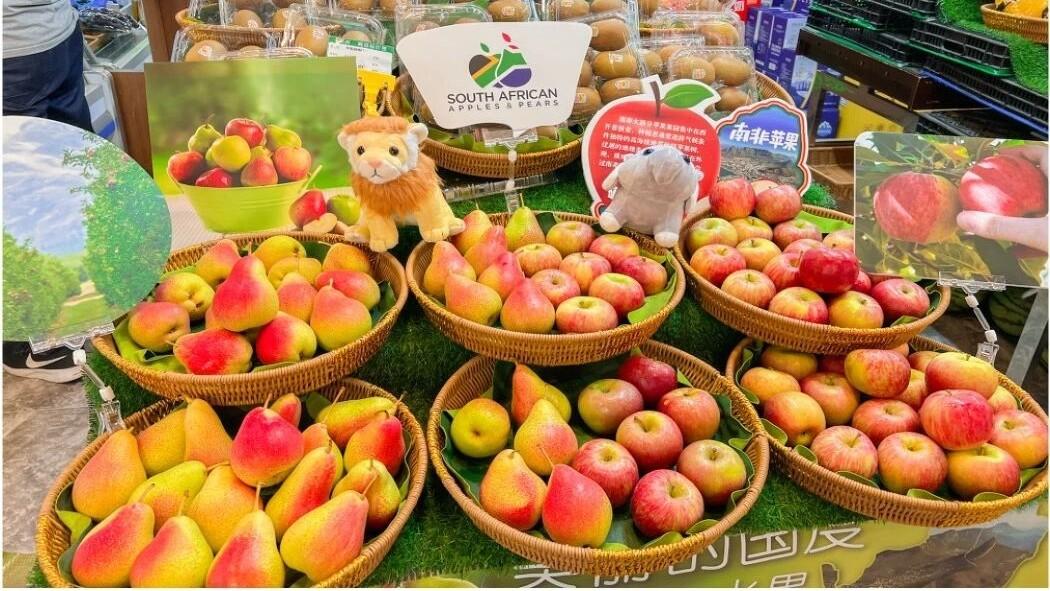


In 2025, China’s fresh apple imports exceeded 100,000 metric tons, further strengthening South Africa’s position as the second-largest supplier. Just ahead of the Chinese New Year holiday, South African stone fruit made its debut on the Chinese market, while market access negotiations for fresh cherries also reached the final stage — signaling steady growth in South African fruit exports to China.
On the afternoon of March 26, 2026, Hortgro Pome hosted an online seminar in which Jacques du Preez, general manager for trade and markets, delivered a detailed analysis of South Africa’s apple and pear export landscape, with a particular focus on the Chinese market.
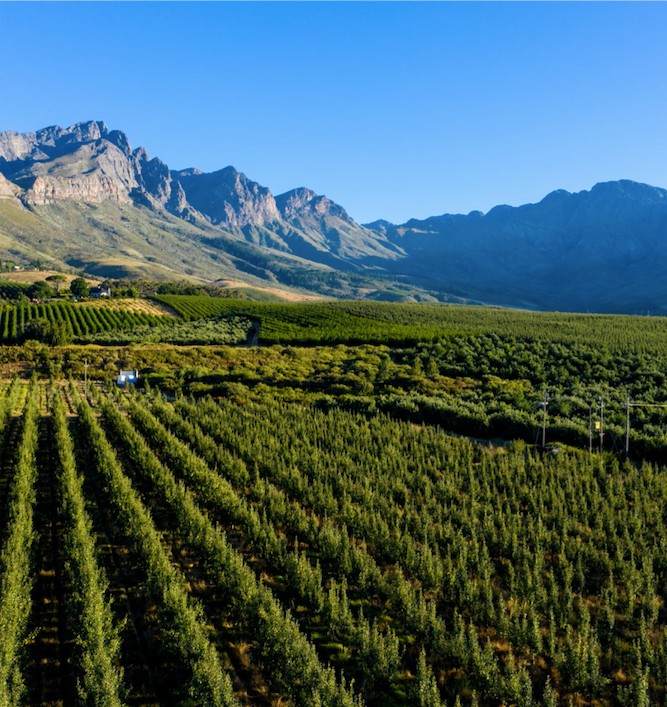
South Africa produces approximately 1.8 million metric tons of apples and pears annually, along with about 300,000 metric tons of stone fruit. Around 49% of this produce is exported to 87 countries and regions worldwide. The total cultivation area spans 54,000 hectares, 88% of which is located in the Western Cape. Apples and pears account for 71% of the planted area, while stone fruit makes up the remaining 29%.
Continuous Apple Variety Renewal: Flash Gala Stands Out
South Africa’s apple cultivation area currently remains stable at around 25,000 hectares. The industry aims to maintain production levels while gradually reducing the planted area through varietal renewal and improvements in yield and quality. Among key varieties, Royal Gala and Gala account for the largest share of plantings; approximately 34% of trees are under 10 years old, of which 10% have not yet reached the fruit-bearing stage. Exports of Fuji apples to China remain relatively stable, with 31% of trees aged 4–10 years and a further 7% under four years, indicating a healthy production pipeline.
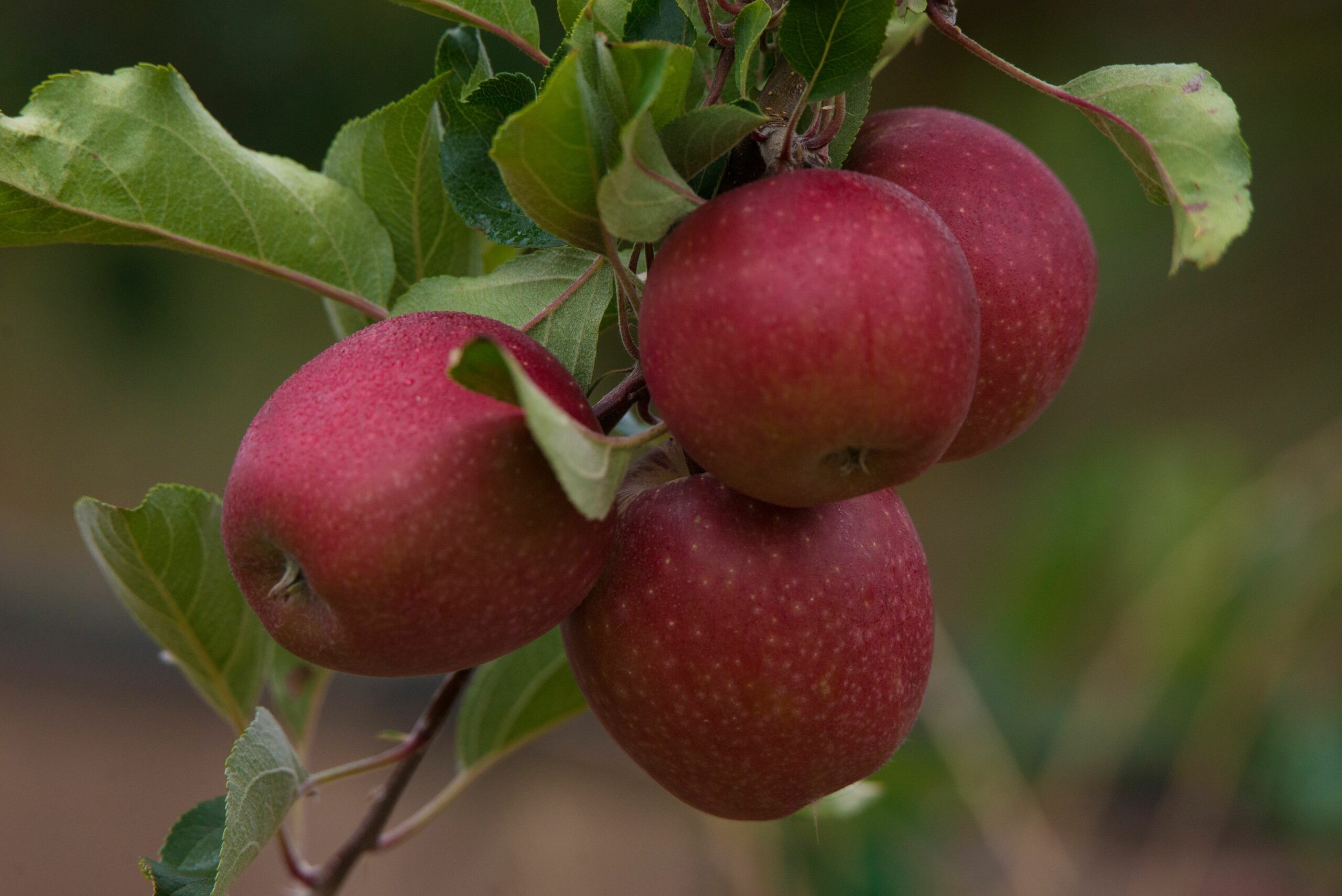
The new variety Flash Gala (Bigbucks), known for its consistent deep red skin, vibrant coloration and high sweetness, aligns well with Chinese consumer preferences. South African exporters are optimistic about its market potential in China.
Over the past decade, the cultivation area for South African Red-Bi apples, such as Royal Gala, Gala, Cripps Red, Joya and Flash Gala, as well as red apples, such as Fuji, has grown steadily, although the growth rate has slowed over the past two years. Meanwhile, the area for Pink-Bi apples, mainly Cripps Pink and Pink Lady, has increased significantly by 45% over the past decade.
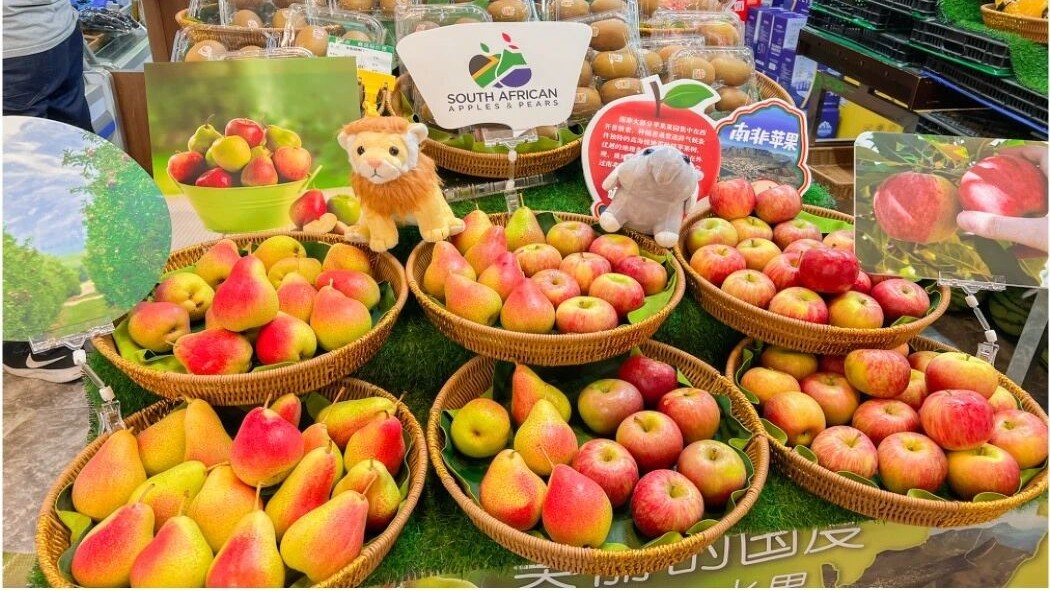
South Africa’s pear exports to China are led by the Cheeky, Forelle and Celina varieties, with the first two particularly prominent on shelves on account of their vibrant appearance. These varieties also represent some of the fastest-growing segments within South Africa’s pear cultivation industry.
Apple Exports Expected To See Slight Increase in 2026
South Africa’s apple and pear exports now span all 12 months of the year, ensuring a stable supply during China’s spring and summer off-season. However, owing to adverse weather conditions, mainly hailstorms and strong winds, in two production regions early in the 2026 season, this year’s yield forecasts have been revised downward.
Total pear exports are expected to decline by 11%, to approximately 20.55 million cartons (12.5 kilograms per carton). By contrast, total apple exports are forecast to increase by 5% year on year, reaching around 52.15 million cartons. Within this category, Royal Gala and Gala production is projected to rise by 11% to 12.85 million cartons, Fuji by 7% to 4.28 million cartons and Flash Gala by a substantial 25% to 447,000 cartons.
Stone Fruit Debuts in China, Cherries Set for October 2026 Launch
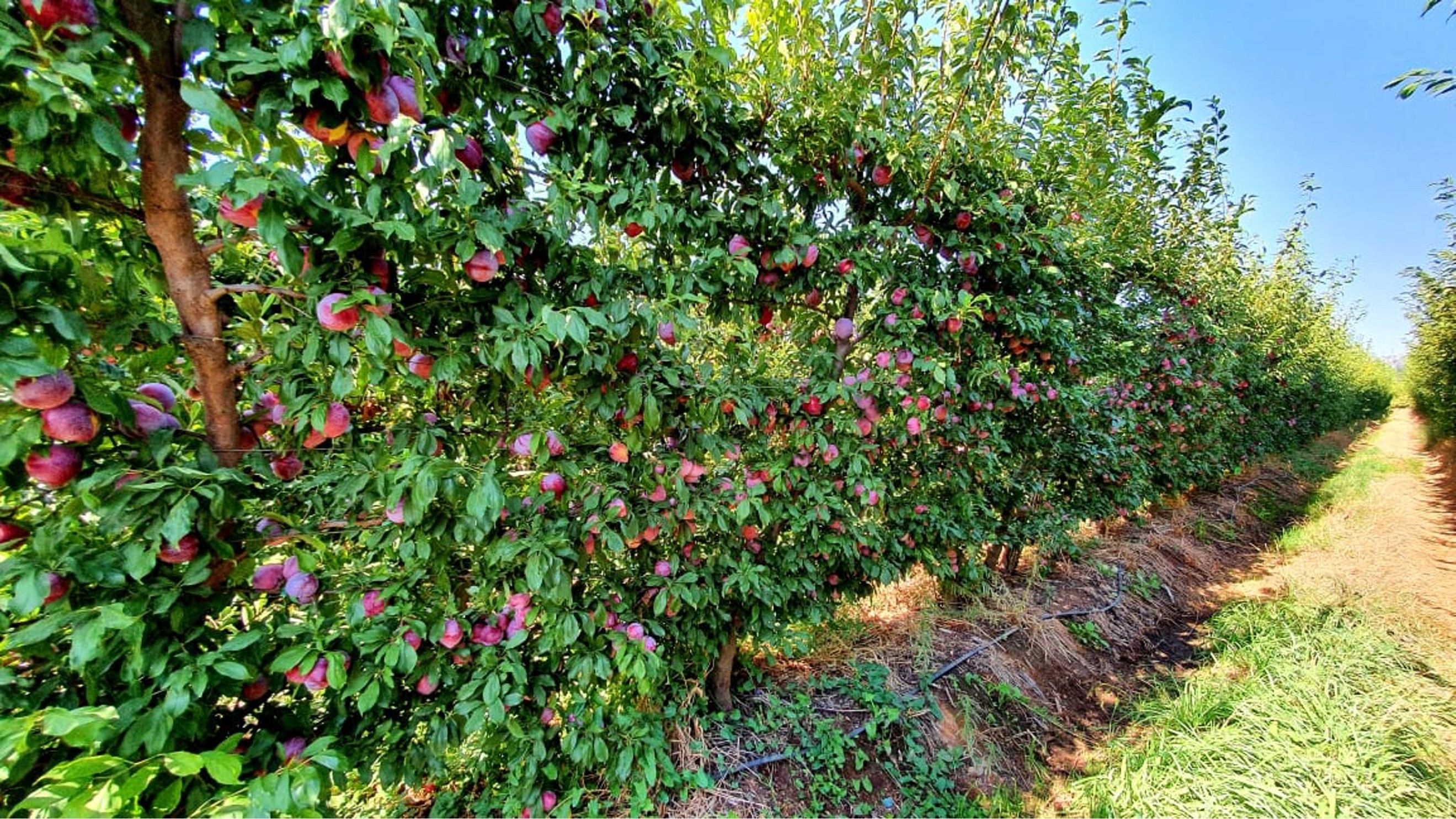
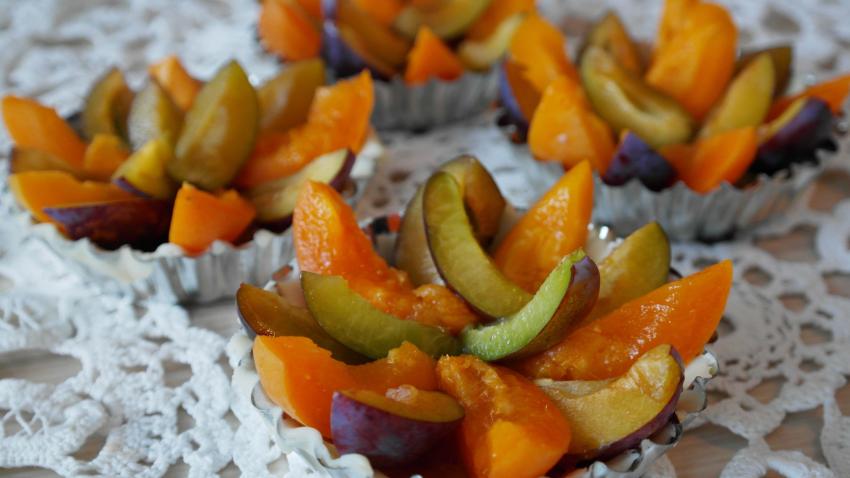
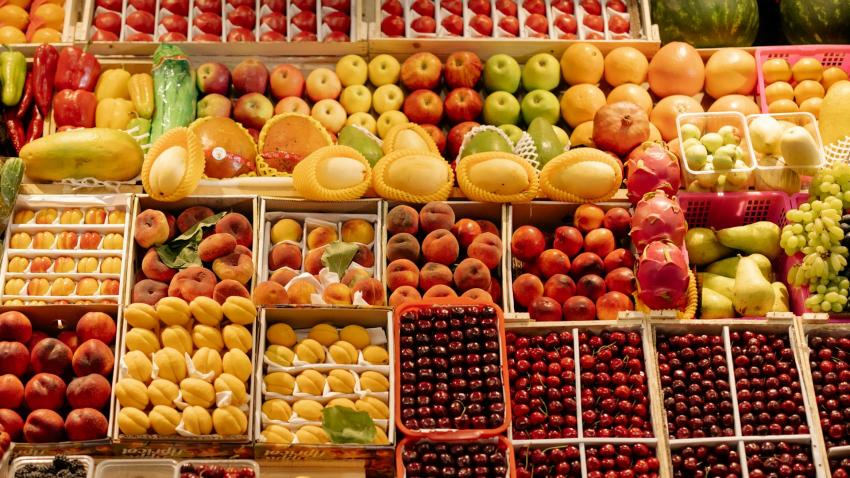
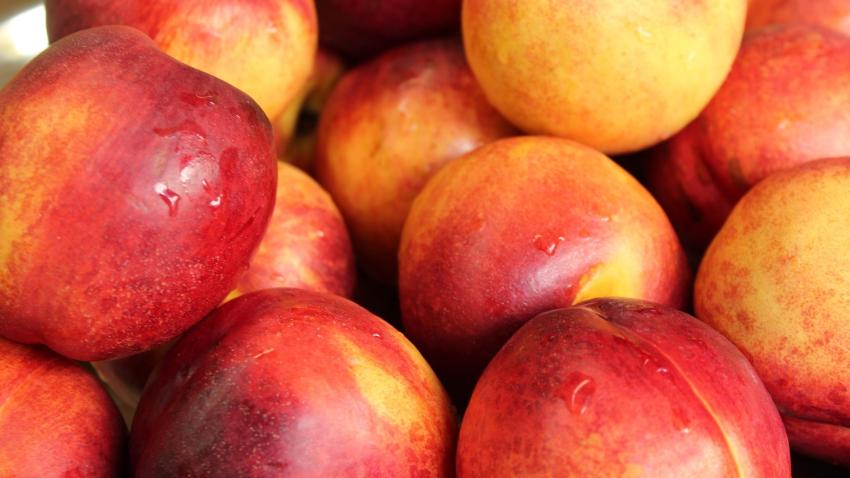
In February of this year, South African plums, sugar plums and nectarines entered the Chinese market for the first time. As export approvals were granted late in the season, initial shipments were conducted as small-scale market tests, but feedback was very positive. More South African peaches, plums, sugar plums and nectarines are expected to enter the Chinese market in the upcoming autumn and winter seasons.
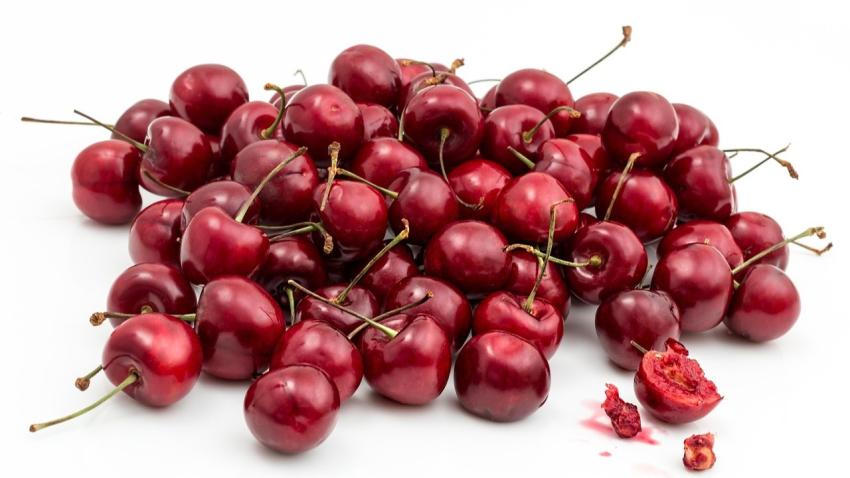
South African stone fruit is known for its sweetness and aromatic flavor, as well as its early harvest advantage. Compared with other Southern Hemisphere producers, South Africa’s stone fruit season begins earlier, with cherries naturally ripening as early as October each year. South Africa has already submitted a draft cherry export protocol to China’s General Administration of Customs, with official exports expected to commence in October 2026.
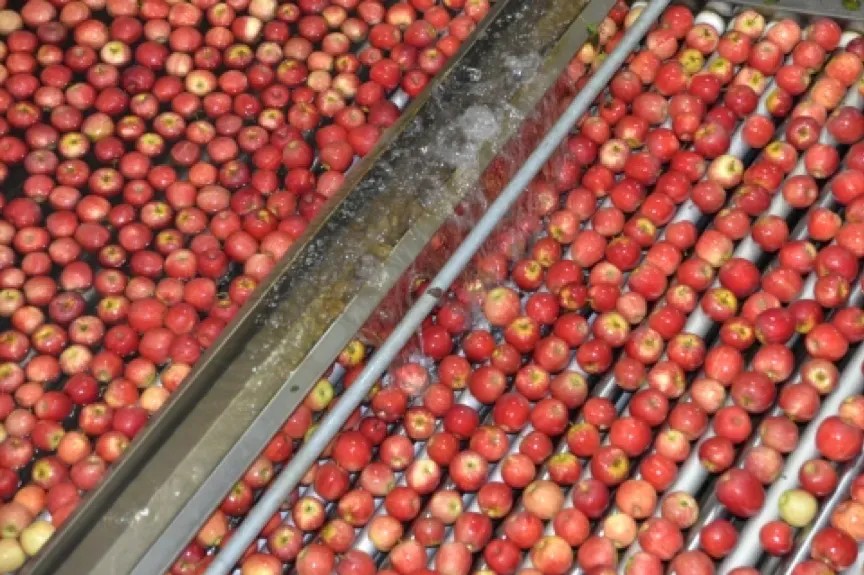
Asia Emerges as Key Market, With Apple Exports to China Poised for New Highs
South Africa’s apple export destinations have shifted away from Europe and Russia toward emerging markets in Asia, Africa and the Middle East. Asia (29%) is now the largest market, followed closely by Africa (28%), with the United Kingdom (15%), the Middle East (12%) and continental Europe (9%) trailing behind.
A similar pattern is evident in pear exports: although Europe (29%) remains the leading market, the Middle East (21%) and Asia (20%) are rapidly gaining ground.
The South African apple and pear industry places strong importance on the Chinese market. Apple exports to China peaked at nearly 1.4 million cartons in 2023 and have since stabilized at around 1 million cartons annually. The 2026 export season has started on a strong note, with shipments to China by week 12 significantly exceeding levels recorded during the same period in 2023.
By 2030, South African apple exports are expected to rise by 9% from the 2026 levels, surpassing 700,000 metric tons. Pear exports are also forecast to grow by 6%, reaching approximately 290,000 metric tons.
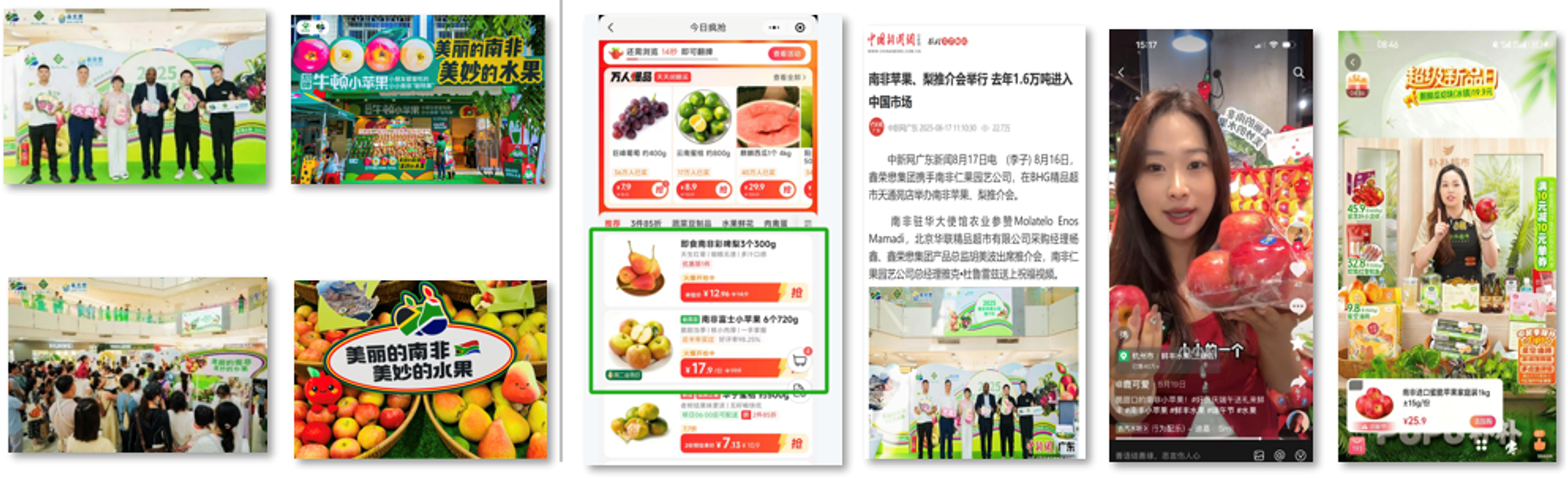
Focusing on Tier 1 and 2 Cities
Wilechia van der Westhuizen, trade development manager at Hortgro Pome, used the seminar as an opportunity to outline promotional plans for South African fruit in China. These efforts will continue to focus on first- and second-tier cities, targeting families through both online and offline channels. The industry aims to drive sales through importer-led retail initiatives and retailer-driven promotions, thereby boosting demand for South African apples and pears in China.
In addition to highlighting the exceptional taste, freshness and quality of South African apples and pears, promotional efforts will also emphasize educating Chinese consumers about South Africa’s sustainable farming environment, reliable agricultural practices and strong trade partnership with China.
China’s Apple Imports Surpass 100,000 Tons for First Time in 2025
Following this, Mabel Zhuang, managing editor at Produce Report, presented an overview of China’s apple and pear imports. In 2025, China’s fresh apple imports surpassed 100,000 metric tons for the first time, reaching approximately 117,000 metric tons — up by 20% compared with 2024 and 73% compared with 2021 — indicating a sustained preference for imported apples. At the same time, the value of apple imports reached $270 million in 2025, a 24% increase over 2024, suggesting that the market can support higher-value imports.
Among supplying countries, New Zealand recorded the largest increase in import volume, capturing 72% of the Chinese market. South Africa followed with 15%, while Chile (7%) and the United States (5%) saw slight declines. In terms of average pricing, New Zealand apples commanded the highest prices, while South African apples offered strong quality at more competitive rates. Although Polish apples are the lowest priced, they have been only rarely seen on the market since gaining access, suggesting that Chinese consumers prioritize quality over low prices.
China’s pear imports peaked at 14,000 metric tons in 2023 but declined to 7,725 metric tons in 2025. Imported pears on the domestic market are primarily European varieties, with Belgium as the main source. In 2025, pear imports from Belgium saw a slight year-on-year decline, while imports from South Africa remained broadly stable. Overall acceptance of European pears in China remains limited, as they generally require ripening before consumption.
Q&A Session: Addressing Logistics and Tariff Concerns
During the seminar’s concluding Q&A session, du Preez addressed participants’ concerns regarding logistics and tariffs. He noted that despite ongoing geopolitical instability, South Africa continues to maintain stable production and exports of high-quality fruit. The primary concern is the rising cost of freight and inputs such as fertilizers, driven by higher fuel prices. However, this has had only a minimal impact on supply to the Chinese market.
Starting from May 1 of this year, China will implement a policy granting zero tariffs on all products from the 53 African countries with which it maintains diplomatic relations. Over the next two years, tariffs on African products will be gradually reduced to zero. Although the exact timeline for tariff elimination on South African apples, pears and stone fruit remains unclear, the policy represents a significant positive development for the industry and warrants close attention.
Images: Hortgro Pome
This article was translated from Chinese. Read the original article.
Regions:
Produce:

-
October 09, 2026
-
October 07, 2026
-
October 07, 2026
-
October 06, 2026
-
September 29, 2026
-
September 15, 2026
-
September 15, 2026
-
September 13, 2026
-
September 23, 2026
-
September 16, 2026

Produce Marketplace
- Pujiang Tangguo Agri · China
- Pujiang Tangguo Agri · China
- ElGhouati Crops · Morocco
- Eumiqxr LLC · Ovppxpyw L
- Qhbqw LLC · Oudeapmr L
- Tasaoqglor LLC · Ixgpljv LL

Add new comment