

You are here
Back to topSouth Africa’s Cherry Sector Edges Closer to China Market Access
December 09, 2025
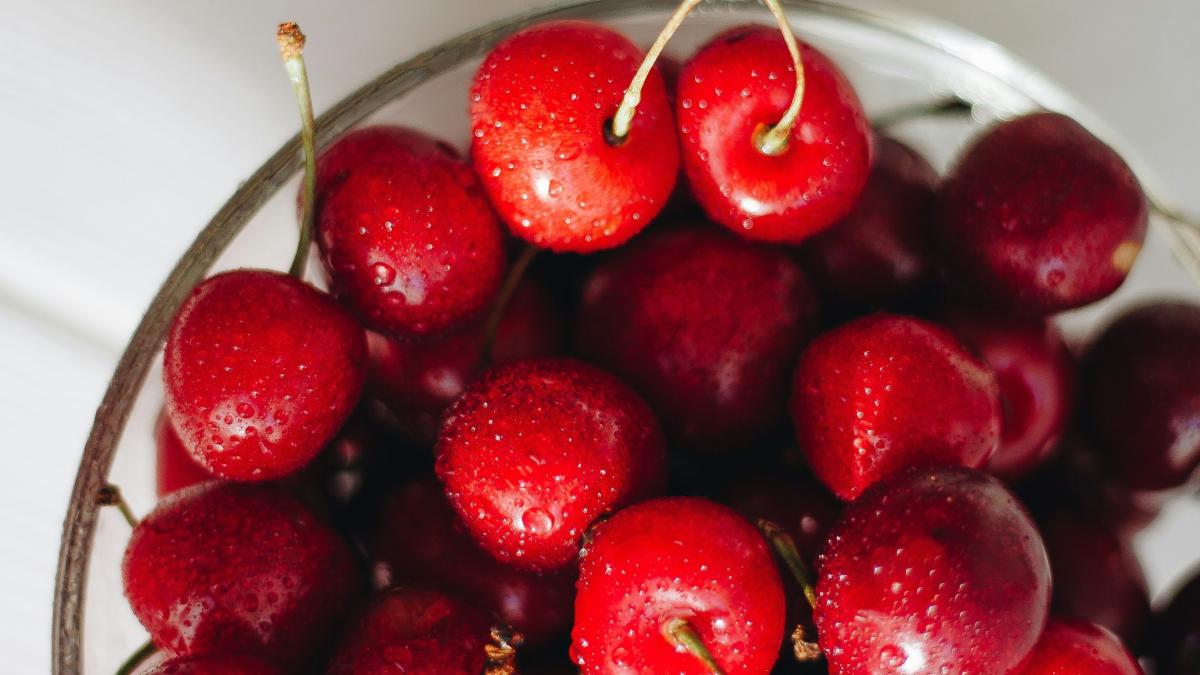


According to horticultural organization Hortgro, South Africa accounted for only 0.1% of global cherry exports in 2024, compared with the 49% registered by Chile. Although South Africa remains a small player in the global market, its cherry industry has expanded rapidly, with the planted area increasing from 185 hectares in 2012 to 819 hectares in 2024.
The Western Cape is the main production region, representing 61% of all cherry plantings. South Africa grows around 80 cherry varieties, with Royal Hazel, Royal Tioga and Lapins together making up 34% of total plantings. About 40% of cherry trees have not yet reached full production, and output is expected to grow significantly in the coming years.
A 2025 nationwide farmer survey found that 58% of South African cherries are exported, 28% are sold on the local market, less than 1% are processed and the remainder are discarded. During the 2024/25 season, 60% of exports went to the United Kingdom, 18% went to the European Union and 12% went to the Middle East. South African cherry exports typically begin in week 41, about two weeks earlier than Chile, with peak shipments occurring between weeks 46 and 52.
The South African cherry industry is optimistic about ongoing market access negotiations with China. The industry is currently conducting a second round of cold-treatment trials to meet China’s quarantine requirements, after the first round produced encouraging results. Remote video inspections are expected to begin before the end of the year, which could open the door to exports in the 2026/27 season.
South African growers are also working with the Ministry of Agriculture and other government departments to address spotted wing drosophila, a relatively new pest in the country. SWD caused extensive damage to blueberries last season and may also threaten cherries, so growers are monitoring the situation closely. Several chemical products have been registered on an emergency basis to support integrated pest management. Because SWD has a very short life cycle under ideal conditions, growers need to act quickly if populations begin to rise.
Harvesting has already concluded in northern regions such as Mpumalanga, while picking continues in the Free State and the Western Cape. Yields in the north have exceeded expectations, and the Western Cape is also anticipating a strong season. Weather conditions have been excellent, and the overall harvest is expected to surpass that of the 2024/25 season.
Image: Unsplash
This article was translated from Chinese. Read the original article.
Topics:
Regions:
Produce:


-
June 08, 2026
-
June 08, 2026
-
June 05, 2026
-
June 03, 2026
-
June 01, 2026
-
May 15, 2026
-
May 12, 2026
-
May 14, 2026
-
May 18, 2026
-
May 20, 2026
Upcoming Events



Produce Marketplace
- ElGhaoutiCrops · Morocco
- Elangeni Food Group · South Africa
- Universal Capital Gr · Ecuador
- Hainan ITG Logistics · A26,Haikou
- Joshua Lim · Malaysia
- City fresh fruit co. · Thailand

Add new comment