

You are here
Back to topPink Blueberries Go Viral, Fetching 800 Yuan per Kilogram
April 20, 2026
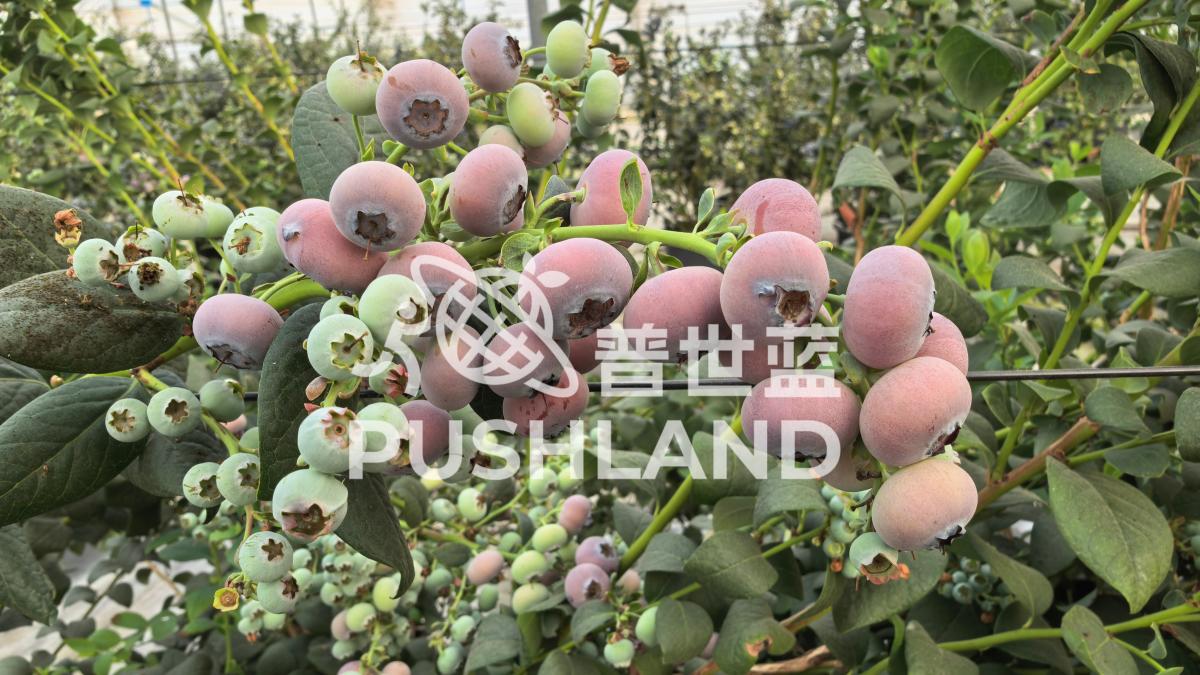


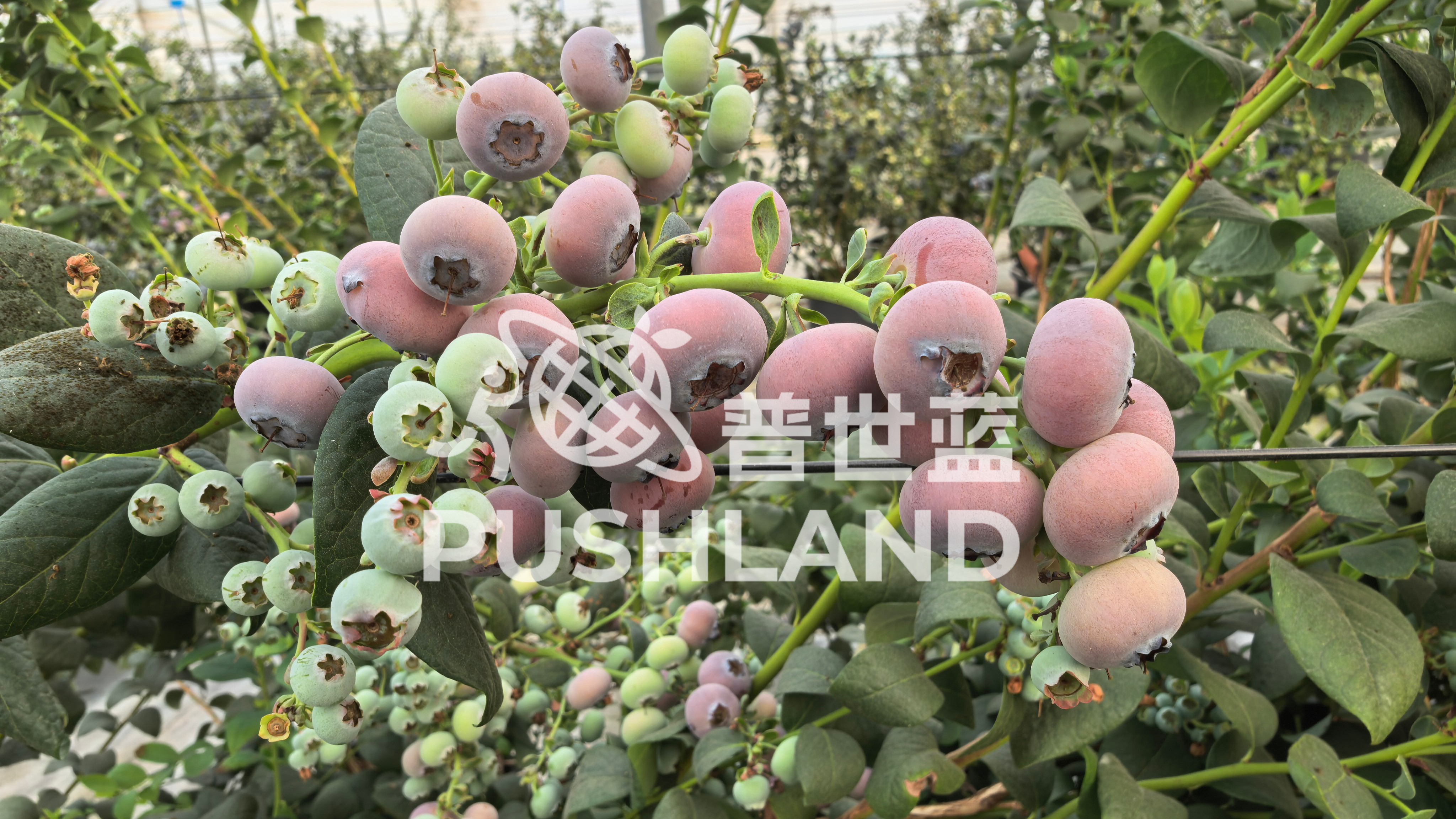
Recently, blueberry prices in China have fallen sharply. Meanwhile, pink blueberries have gone viral for their eye-catching, almost dreamlike appearance, leading many consumers to mistake them for a new species. In reality, pink blueberries are not new; they were introduced to China more than a decade ago. Although several varieties are now available and attracting growing attention, cultivation remains limited in scale. Their market prices and production challenges differ significantly from those of conventional blueberries.
Pink blueberry varieties have distinct characteristics. All are developed through natural hybridization rather than dyeing or genetic modification. At present, four main varieties are commonly found in China.
Among the four, Pink Lemonade is the earliest and most widely promoted variety. Developed by the U.S. Department of Agriculture in 2006, it is a southern highbush type suitable for both ornamental purposes and consumption. Its fruit is pink with a hint of purple, typically featuring a white or green pedicel, and offers a well-balanced sweet-tart flavor.
Pink Popcorn, introduced to the U.S. market in 2015, is a northern highbush variety characterized by creamy to light pink fruit, high sweetness, low acidity, self-pollinating ability and strong cold tolerance, making it well suited for cultivation in northern regions.
Pink Cosmo is a relatively new North American variety known for its floral aroma and refreshing sweetness, and it is currently undergoing trials at a limited number of research institutions in China.
Fendai (粉黛) is a variety domestically bred in China, characterized by pinkish-purple fruit, a high proportion of large berries and higher yields than other pink varieties, making it well suited for cultivation in southern regions.
In China, pink blueberries remain at the small-scale trial stage and have not yet been commercialized on a large scale. Pink Lemonade has relatively strict growing requirements, thriving in acidic sandy loam soils with a pH of 4.5–5.2, good drainage and an organic matter content of at least 5%, but it exhibits limited environmental adaptability. Pink Popcorn is currently undergoing trials in northern regions such as Liaoning and Shandong. Fendai is under trial in areas including Honghe and Kunming in Yunnan province, while Pink Cosmo remains at the research introduction stage and has yet to enter commercial production.
In terms of market pricing, there is a significant gap between pink and conventional blueberries. At present, prices for conventional blueberries have declined markedly, with retail prices generally ranging from 40 Chinese yuan ($5.87) to 120 yuan ($17.60) per kilogram. By contrast, fresh pink blueberries can fetch prices of up to 800 yuan ($117.34) per kilogram. They are rarely available on mainstream e-commerce platforms, with only limited quantities occasionally sold by individuals via social media. The primary factors behind these high prices include extremely limited production volumes, delicate skins prone to damage and a short shelf life of just three to five days.
The differences between pink and conventional blueberries are mainly reflected in three aspects. In terms of appearance, conventional blueberries are typically blue-purple, while pink varieties range from pink to pinkish-purple, making them more visually distinctive. Nutritionally, the widely circulated claim that pink blueberries contain five times more anthocyanins than conventional blueberries is a myth. In fact, some pink varieties contain lower levels of anthocyanins, and overall, the nutritional differences between the two are minimal. From a cultivation perspective, pink blueberries require more stringent soil and climate conditions, are more challenging to manage, and yield less. By contrast, conventional blueberries benefit from well-established cultivation techniques, large-scale production and stable yields.
As for future development, industry insiders generally believe that pink blueberries are unlikely to become a mainstream fresh fruit category. Much like how white strawberries will probably not replace their red counterparts, pink blueberries are better positioned as a niche product, catering to consumer curiosity rather than mass demand. In the short term, their cultivation area is unlikely to expand significantly and prices are expected to remain high. In the long term, however, with increased investment in research, domestically bred varieties such as Fendai may gradually see wider adoption if their adaptability can be improved and their yields increased.
Image: Yunnan Pushland Research Institute Co. Ltd. (云南普世蓝种业研究院有限公司)
This article was translated from Chinese. Read the original article.
Topics:
Regions:
Produce:
Related Reads


-
July 19, 2026
-
July 19, 2026
-
July 15, 2026
-
July 15, 2026
-
July 14, 2026
-
June 29, 2026
-
July 01, 2026
-
June 22, 2026
-
July 12, 2026
-
June 28, 2026
Upcoming Events



Produce Marketplace
- ElGhaoutiCrops · Morocco
- Elangeni Food Group · South Africa
- Universal Capital Gr · Ecuador
- Hainan ITG Logistics · A26,Haikou
- Joshua Lim · Malaysia
- City fresh fruit co. · Thailand

Add new comment