

You are here
Back to topChina’s 2025 Apple Imports: Record Volumes, Rising Value and Supplier Concentration
April 22, 2026
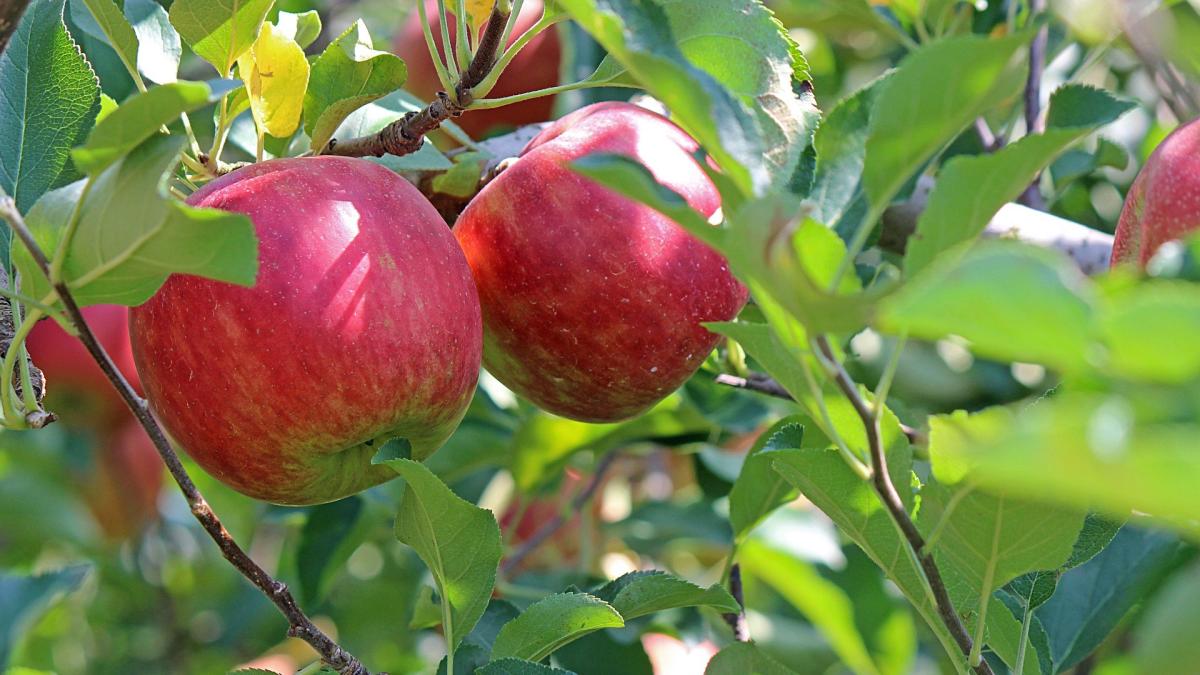


In 2025, China’s apple imports reached a historic milestone, with the volume exceeding 100,000 metric tons for the first time. As one of the world’s largest fruit producers, China possesses a strong domestic supply capacity. In 2025, China’s domestic apple production reached approximately 50 million metric tons, while total fruit imports across all categories amounted to 9.032 million metric tons. This substantial disparity underscores that imported fruit in China is not positioned as a basic supply supplement but rather targets differentiated varieties and premium demand, complementing domestic production through counter-seasonal availability and high-quality offerings.
In volume terms, China’s apple imports reached 116,000 metric tons in 2025, an increase of approximately 19,000 metric tons from 2024, representing a year-on-year growth rate of 19.7%. Over the five-year period from 2021 to 2025, imports expanded by 73.2%, underscoring the steadily rising consumer preference for high-quality imported apples.
Alongside the growth in import volume, import value has increased even more significantly, highlighting a positive trend of simultaneous expansion in both scale and value. In 2025, China’s total apple import value reached $270 million, an increase of approximately $53 million compared with 2024, representing year-on-year growth of about 24%.
From the perspective of supplying countries, New Zealand holds a dominant position. As bilateral trade ties continue to deepen, China remains the most important growth market for New Zealand apples. According to data from China’s General Administration of Customs, imports of New Zealand apples rose to approximately 84,000 metric tons in 2025, more than doubling from the 38,000 metric tons recorded in 2021 and accounting for 72% of China’s imported apple market.
South Africa, as the second-largest source, has seen its import volume fluctuate, rising from 12,000 metric tons in 2021 to a peak of over 20,000 metric tons in 2023. After a slight decline in 2024, imports rebounded to 17,000 metric tons in 2025, accounting for 15% of China’s imported apple market.
Other major suppliers, such as Chile and the United States, accounted for 7% and 5% of the market in 2025, respectively, with relatively stable import performance. Imports of French apples remained at around 2,000 metric tons, representing approximately 2% of the market.
It is worth noting that prior to 2025, only fresh apples from the Australian state of Tasmania were permitted to be exported to China. In 2023, 2024 and 2025, the island state shipped 67.8 metric tons, 43.5 metric tons and 64.2 metric tons to China, respectively. Fresh apples from mainland Australia received market access to China in 2025 and are expected to begin being exported in May of this year.
Overall, the data structure indicates a clear trend toward greater concentration among leading supplying countries in China’s apple import market.
In terms of pricing, apples from Australia and New Zealand remain in the higher price range. The average price of Australian apples gradually declined from nearly $3 per kilogram in 2021 to about $2.5 per kilogram in 2025. New Zealand apples, within the same tier, experienced relatively smaller fluctuations, increasing slightly from $2.6 per kilogram in 2024 to $2.7 per kilogram in 2025.
Overall, the growth in apple import volumes in 2025 reflects increasing consumer acceptance of diversified taste profiles. The rising share of leading suppliers such as New Zealand also indicates a shift toward greater concentration in advantaged production regions. Against the backdrop of steadily improving quality of domestically produced apples, imported apples have secured a solid position in the premium segment, supported by brand strength and seasonal complementarity.
Image: Pixabay
This article was translated from Chinese. Read the original article.
Topics:
Produce:



-
April 22, 2026
-
April 22, 2026
-
April 20, 2026
-
April 16, 2026
-
April 14, 2026
-
March 24, 2026
-
March 30, 2026
-
March 31, 2026
-
April 12, 2026
-
April 13, 2026
Featured Produce

Produce Marketplace
- ElGhaoutiCrops · Morocco
- Elangeni Food Group · South Africa
- Universal Capital Gr · Ecuador
- Hainan ITG Logistics · A26,Haikou
- Joshua Lim · Malaysia
- City fresh fruit co. · Thailand

Add new comment