

You are here
Back to topFresh Vietnamese Pomelos and Limes Approved for Import Into China
May 06, 2026
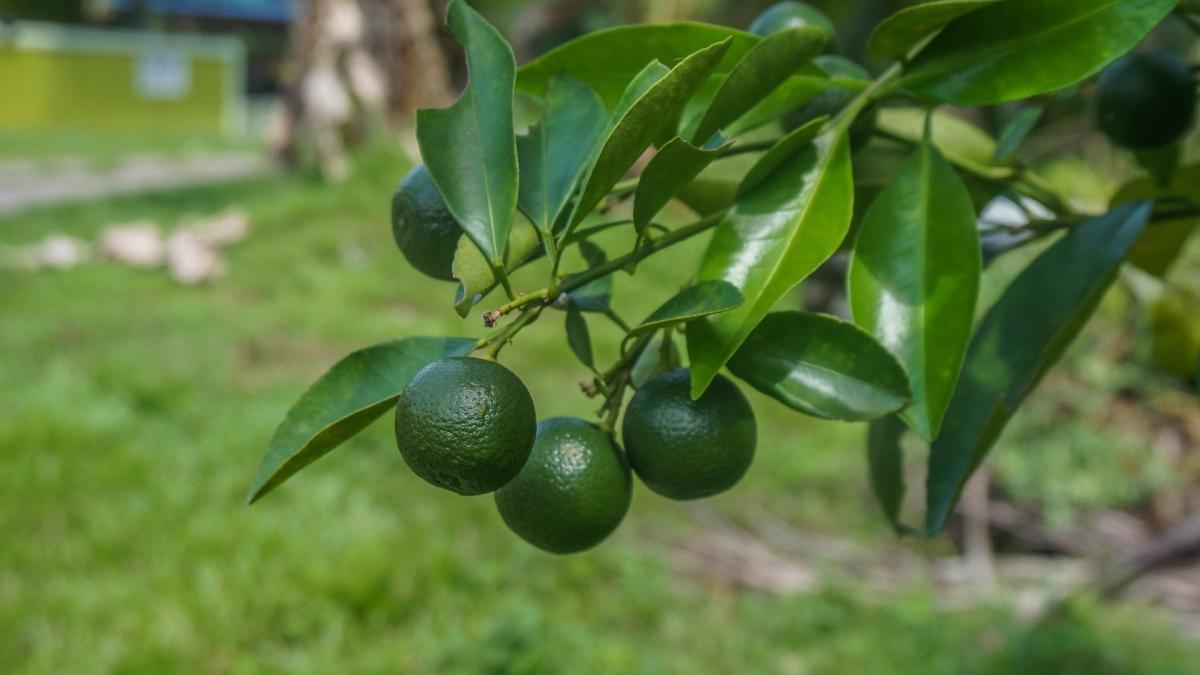


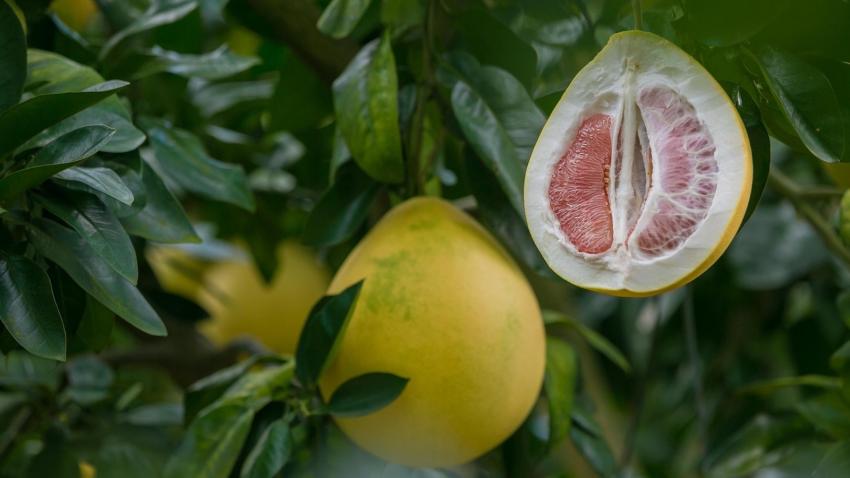
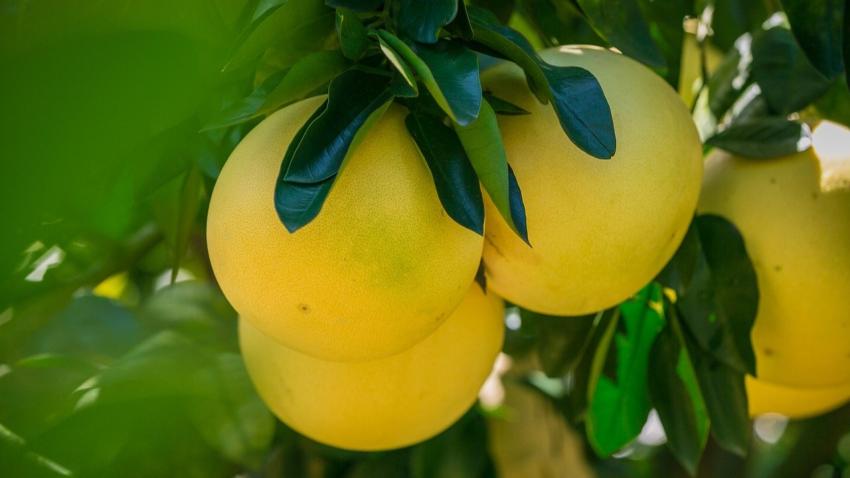
On April 27, the General Administration of Customs of China announced via its website that fresh Vietnamese pomelos and limes meeting the stipulated phytosanitary requirements would be permissible for import into China. “Fresh limes” here specifically refers to green, unripe limes; ripe or yellow limes are not permitted for import.
Orchards and packaging facilities intending to export fresh pomelos and limes to China must be reviewed by Vietnam’s Ministry of Agriculture and Environment and approved and registered by China Customs. A total of eight quarantine pests of concern have been identified by China. These include the guava fruit fly (Bactrocera correcta), citrus fruit borer (Citripestis sagittiferella), gray pineapple mealybug (Dysmicoccus neobrevipes), coffee mealybug (Planococcus lilacinus), passionvine mealybug (Planococcus minor), citrus flower moth (Prays citri), citrus rind borer (Prays endocarpa) and the fungus Cylindrocarpon lichenicola.
Orchards must also establish robust quality management and traceability systems, adhere to good agricultural practices and integrated pest management techniques, and maintain orchard hygiene by ensuring no nearby sources of contamination, promptly removing rotten or fallen fruits, and discarding spoiled produce.
In accordance with the requirements detailed in International Standards for Phytosanitary Measures No. 6, Vietnam’s Ministry of Agriculture and Environment should formulate management plans specifically targeting the quarantine pests of concern and organize year-round orchard monitoring.
Pomelos destined for export to China must be bagged during the growing cycle. According to the technical specifications, bagging should be carried out during the later stage of fruit enlargement. Adjustments may be made based on local climate, altitude and other regional factors, but the bagging period must exceed 60 days.
During the packaging process, pomelos and limes must undergo manual selection and cleaning to remove diseased, insect-damaged, rotten or misshapen fruit, as well as branches, leaves, other plant debris and soil. Post-harvest fungicide treatment may also be applied and, if necessary, the fruit surface may be wiped to remove insects, insect eggs, pathogen spores and other contaminants.
In the first year of exports, Vietnam’s Ministry of Agriculture and Environment is required to take random samples from 2% of fresh pomelos and limes bound for China to check for the presence of pests of concern. The sampling rate will be lowered to 1% if there are no quarantine problems within the first year. All damaged or suspectedly damaged fruits must be cut open and inspected. For each consignment, a minimum of 30 fruits must be dissected for inspection.
The occurrence of contaminated pomelos and limes will lead to the rejection of the whole shipment by China or even suspension of exports from the involved orchards and packaging plants for the remainder of the season. Vietnam’s Ministry of Agriculture and Environment must investigate the cause, implement corrective measures and maintain interception records, which must be provided to China Customs upon request.
Image: Pixabay
This article was translated from Chinese. Read the original article.
Topics:

-
September 18, 2026
-
September 17, 2026
-
September 16, 2026
-
September 15, 2026
-
September 15, 2026
-
August 24, 2026
-
August 20, 2026
-
August 25, 2026
-
August 28, 2026
-
August 24, 2026
Upcoming Events

Featured Produce

Produce Marketplace
- ElGhouati Crops · Morocco
- ElGhaoutiCrops · Morocco
- Elangeni Food Group · South Africa
- Hainan ITG Logistics · A26,Haikou
- Joshua Lim · Malaysia
- City fresh fruit co. · Thailand

Add new comment