

You are here
Back to topTasmanian Cherry Industry Targets Chinese New Year Demand
December 17, 2025


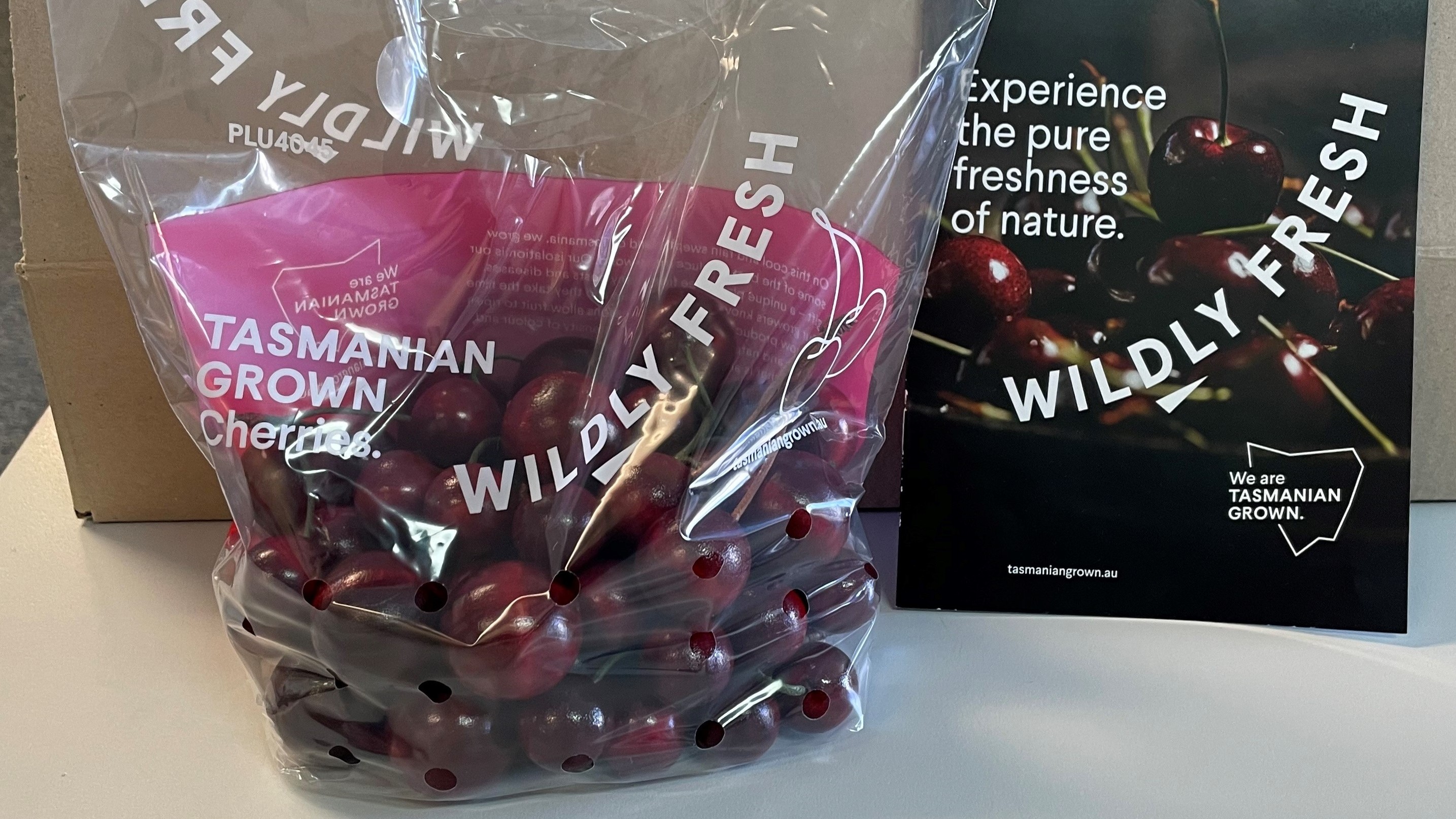
Recently, Fruit Growers Tasmania hosted an online briefing webinar discussing the outlook for Tasmania’s cherry production in the 2025/26 season.
Peter Cornish, chief executive officer of the association, noted that Tasmania’s annual commercial cherry production is approximately 6,500 metric tons. The season typically runs from December through February, with January as the peak production period. In 2024, Tasmania exported 2,154 metric tons of cherries, accounting for about 48% of Australia’s total cherry exports. Major cherry varieties grown in the island state include Kordia, Lapins, Regina, Simone, Sweetheart, Sweet Georgia and Sylvia.
Cornish also noted that Tasmania is free of fruit flies, meaning that cherries generally do not require fumigation. In addition, all cherries are exported by air, enabling them to reach markets within 48–72 hours of harvest. Tasmanian cherries are shipped to more than 20 countries and regions worldwide, with Taiwan as the largest market, followed by Hong Kong (22%), Indonesia (11%) and mainland China (9%).
Subsequently, Nic Hansen, the association’s president and a Tasmanian cherry grower, presented the production outlook for the 2025/26 season. Owing to cooler-than-average temperatures during spring and summer this year, the season is running about 10 days later than usual, with harvesting expected to begin around Dec. 17. Overall fruit set is higher than last year, with total production projected to increase by approximately 15%, while export volumes are expected to rise by 5–15%. The longer on-tree time has also resulted in larger fruit size and higher sweetness, delivering excellent overall fruit quality.
With the Chinese New Year falling relatively late this year (Feb. 17, 2026), Hansen emphasized that substantial volumes of cherries will be available for the Chinese market during the festive period.
Fruit Growers Tasmania represents growers of apples, pears, cherries, berries and stone fruits in Tasmania. Its primary objectives are to assist growers with pest and disease management, enhance both domestic and international trade, and promote overall industry development.
Image: Fruit Growers Tasmania
This article was based on a Chinese article. Read the original article.
Topics:
Produce:
Related Reads
Armin Rehberg, CEO of SanLucar, and Wang Song, CFO of Dingdong Maicai.
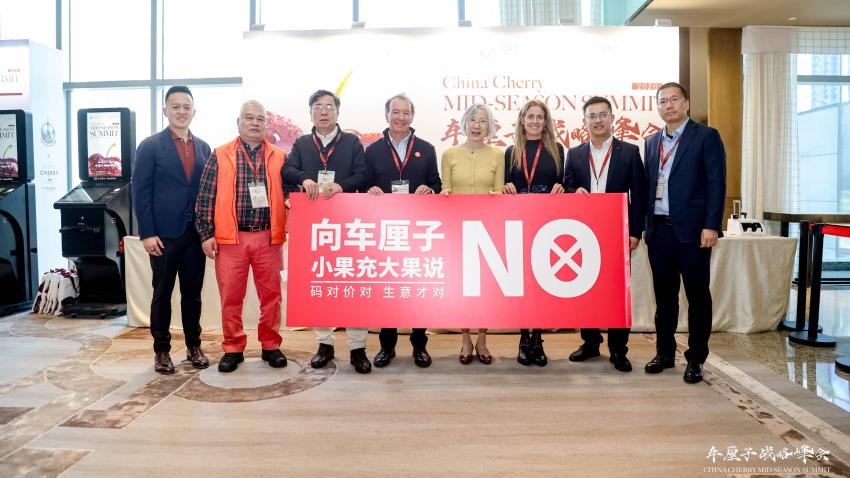
Yu Lu, vice president of CFNA; Xu Zheng, general manager of Jiaxing Haiguangxing Market Management Co. Ltd.; Zheng Nanshen, general manager of Guangzhou Jiangnonghui Market Service Management Co. Ltd.; representative of the Cherry Professional Committee of CFNA from the Chair Unit, Joy Wing Mau Group; representative from the Vice-Chair Units, Jinguo Trading Co. Ltd./Frutacloud Supply Chain; representative from the Vice-Chair Unit, Riverking (Shanghai) Agricultural Technology Development Co. Ltd.; Ivan Marambio, president of Frutas de Chile; and Claudia Soler, executive director of the Chilean Cherry Committee (listed in no particular order).

-
January 31, 2026
-
January 29, 2026
-
January 27, 2026
-
January 27, 2026
-
January 25, 2026
-
January 08, 2026
-
January 03, 2026
-
January 04, 2026
-
January 04, 2026
-
January 05, 2026
Upcoming Events

Featured Produce

Produce Marketplace
- Elangeni Food Group · South Africa
- Universal Capital Gr · Ecuador
- AGRI GATEX LIMITED · Africa
- Hainan ITG Logistics · A26,Haikou
- Joshua Lim · Malaysia
- City fresh fruit co. · Thailand

Add new comment