

You are here
Back to topVietnam’s Dragon Fruit Exports Hit 10-Year Low
January 08, 2026



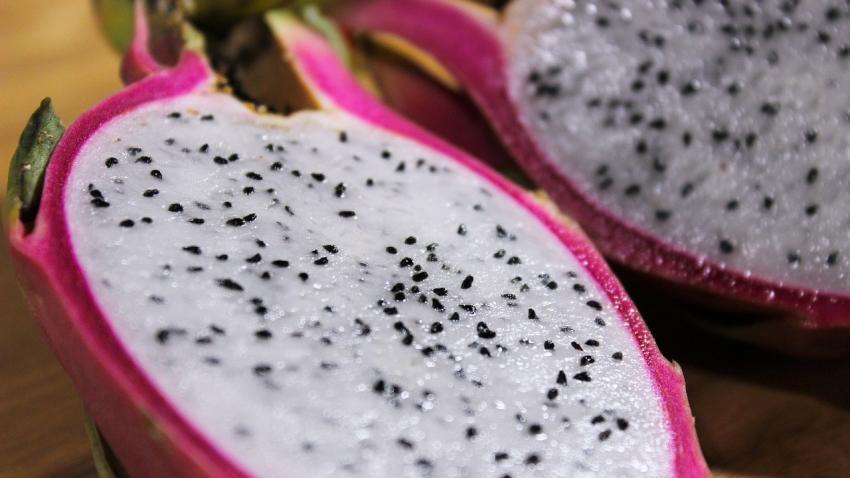
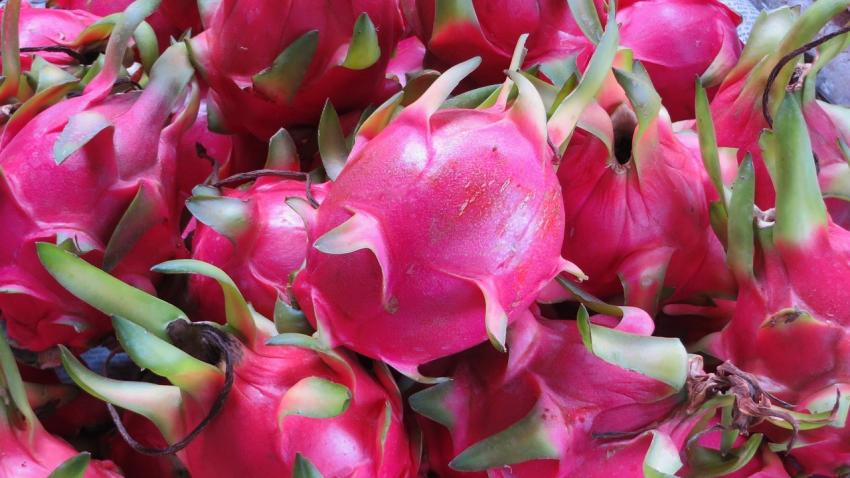
Vietnam’s annual dragon fruit export revenue once set records in excess of $1 billion. Today, however, the country’s dragon fruit industry is undergoing a major adjustment, with the export value plunging to its lowest level in over a decade.
According to data from Vietnam Customs, dragon fruit exports totaled $485 million in the first 11 months of 2025, down by 0.8% year on year and marking the lowest level since 2014. Between 2014 and 2018, Vietnam’s dragon fruit exports saw robust growth, with annual revenues surpassing $1 billion and peaking at around $1.3 billion in 2018. Since 2019, however, amid rapid shifts in international markets and intensifying competition, exports have stagnated and begun to decline.
China remains the largest export market for Vietnamese dragon fruit. Exports to China surpassed $302 million in the first 11 months of 2025, accounting for about 62.2% of Vietnam’s total dragon fruit exports. However, this represents a 4.5% year-on-year decline.
By contrast, exports to some emerging markets have witnessed moderate growth. Exports to India reached nearly $41.8 million, up by 6.4% year on year, while exports to Thailand rose by 71.1% over the same period. Nevertheless, these markets remain relatively small and are insufficient to offset the decline in major markets such as China.
According to a recent report by online newspaper VnExpress, Vietnamese companies believe that the rapid growth in global dragon fruit supply has intensified competition. China has significantly expanded its dragon fruit cultivation area, with annual production estimated at around 1.6 million metric tons — hundreds of thousands of tons more than Vietnam — largely satisfying domestic demand and sharply reducing the need for imports.
Beyond China, India is gradually emerging as a significant dragon fruit producer. The country currently cultivates around 3,000–4,000 hectares of dragon fruit, with an annual output of approximately 12,000 metric tons. While still relatively small in scale, production is steadily increasing.
In addition, Mexico is successfully cultivating dragon fruit and now competing directly with Vietnam in the U.S. and Canadian markets. Consequently, Vietnam has nearly halted its exports of white-fleshed dragon fruit to these markets, with only limited shipments of red-fleshed dragon fruit continuing.
In the short term, Vietnam’s dragon fruit production and export revenues are not expected to recover quickly. If China and India continue to expand production, prices are also unlikely to rise significantly. Furthermore, because of their lower prices, dragon fruit from these countries could potentially be re-exported to Vietnam.
The Vietnam Fruit and Vegetable Association has advised that farmers and enterprises reassess their markets and competitive advantages. Beyond improving product quality and visual appeal, dragon fruit growers should adjust their planting schedules and increase their off-season production, particularly at the beginning and end of the year, to better supply China and India during these periods.
Image: Pixabay
This article was translated from Chinese. Read the original article.

Topics:
Produce:




-
February 19, 2026
-
February 13, 2026
-
February 13, 2026
-
February 12, 2026
-
February 12, 2026
-
January 27, 2026
-
February 08, 2026
-
January 25, 2026
-
February 11, 2026
-
February 10, 2026

Produce Marketplace
- Elangeni Food Group · South Africa
- Universal Capital Gr · Ecuador
- AGRI GATEX LIMITED · Africa
- qYorqiRuPzJKSCrLDjq · inegCwwwTH
- UagNCLdjLGrADHQBVsIa · PVzCIgwonF
- WRdtFOzTfubyNULnbLia · QrMXFQtDzm

Add new comment