

You are here
Back to topEuropean Market Insights: Can a Value-Added Strategy Drive Higher Mango Imports?
May 07, 2026



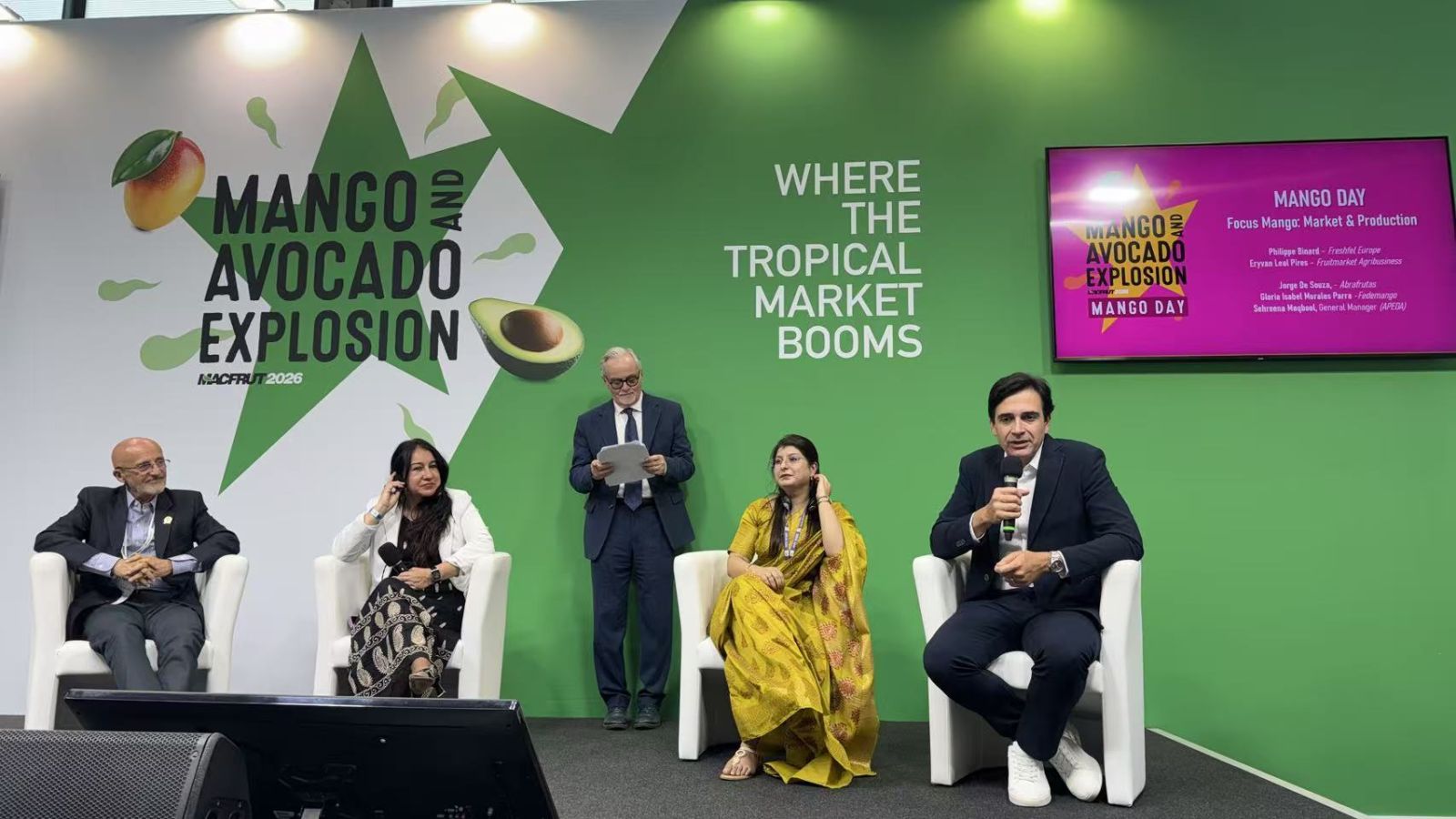
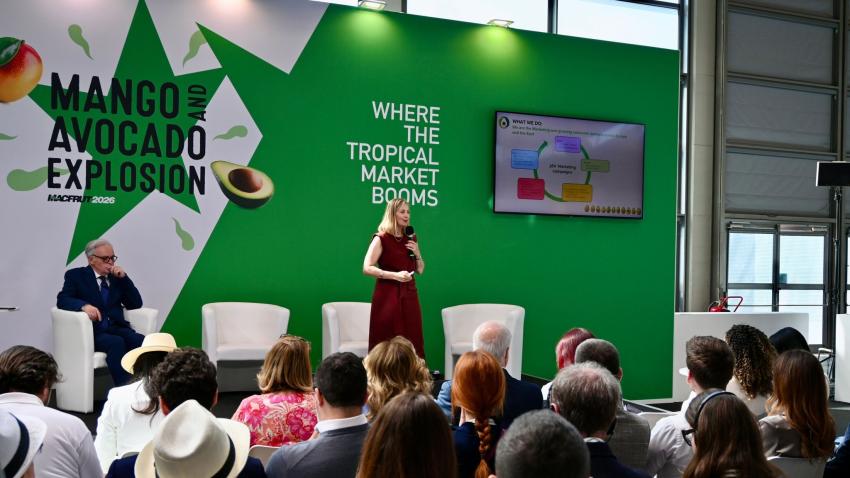
At the recent Macfrut 2026 held in the Italian city of Rimini, Eryvan Pires, CEO of FruitMarket Agribusiness BV, shared deep insights into the evolving dynamics of the European mango market. With over 25 years of industry experience, Pires emphasized that the market is undergoing a fundamental strategic shift, moving away from high-volume commodities toward specialized, value-added products.
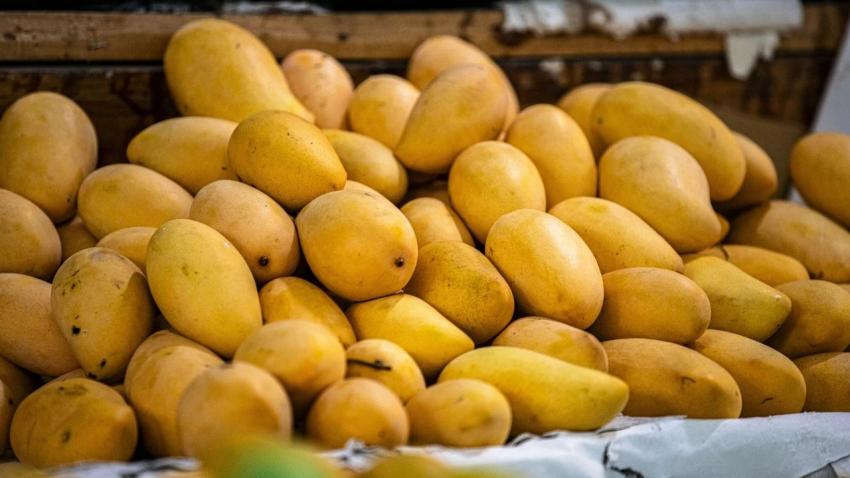
A primary indicator of this shift is the significant consumption disparity between mangos and avocados. While global mango production is five to eight times greater than global avocado production, European import data tell a different story. In 2024, European avocado imports reached 963,000 metric tons — more than double the 446,896 metric tons recorded for fresh mangos. Pires noted that this gap indicates a major growth opportunity, as the mango sector begins to mirror the success of avocados by pivoting toward ready-to-eat, tree-ripened and fresh-cut mangos.
A cornerstone of this market reinvention is the redefinition of post-harvest management. “In the mango market, ripening is no longer just a technical service; it is a strategic demand-creation tool,” Pires stated. By mapping the “invisible journey” — the critical passage from farm to retail shelf — ripening ensures that fruit reaches consumers in optimal condition, thereby actively driving higher consumption rates and market trust.
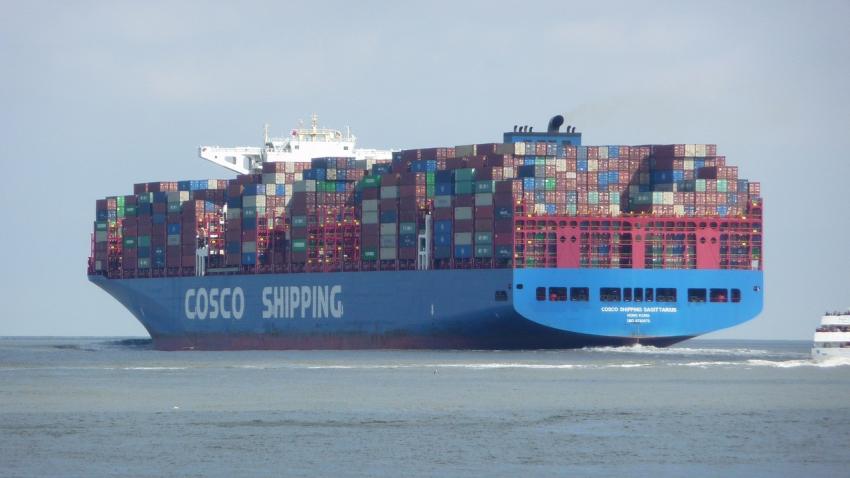
The logistics of the European mango trade remain highly centralized. The Netherlands continues to serve as the primary gateway, importing 181,000 metric tons in 2024 with an 86% redistribution rate, reflecting the 156,000 metric tons re-exported to other European countries. This hub allows the Netherlands to effectively dictate quality standards and variety distributions across the continent. By contrast, major consumer markets such as Germany (96,000 metric tons) and the United Kingdom (87,000 metric tons) retain the vast majority of their imports for domestic retail.
On the supply side, Brazil remains the market’s primary anchor, supplying 206,000 metric tons of mangos in 2024 as the only year-round provider. Meanwhile, Peru, a benchmark for quality with its Kent variety, has faced supply volatility due to El Niño, with volumes decreasing from 138,000 metric tons in 2022 to approximately 67,000 metric tons.
Retail strategies in Europe are also maturing through variety segmentation. There is a clear shift toward fiberless varieties such as Kent and Keitt for mainstream programs, while the Palmer variety maintains a strong foothold in Portugal and Spain. Conversely, the color-driven Tommy Atkins is seeing a decline in market preference. Premium and ethnic niches continue to be served by air-freight specialties including Alphonso, Ataulfo and Rosa.
As the European mango market continues its sophisticated evolution, Pires believes the path forward is clear. The transition from volume-based trade to a value-driven category hinges on mastering every link of the supply chain. Ultimately, the industry’s ability to mirror the success of avocados will depend on a singular, relentless focus: delivering the right fruit, at the right time and in the perfect condition to every European doorstep.
Images: © 2026 Produce Report

Topics:
Produce:



-
September 21, 2026
-
September 20, 2026
-
September 18, 2026
-
September 17, 2026
-
September 16, 2026
-
August 24, 2026
-
August 25, 2026
-
August 28, 2026
-
August 24, 2026
-
August 27, 2026
Upcoming Events

Featured Produce

Produce Marketplace
- ElGhouati Crops · Morocco
- ElGhaoutiCrops · Morocco
- Elangeni Food Group · South Africa
- Hainan ITG Logistics · A26,Haikou
- Joshua Lim · Malaysia
- City fresh fruit co. · Thailand

Add new comment