

You are here
Back to topWalmart China Bets on Smaller Stores To Revive Hypermarket Business
May 07, 2026
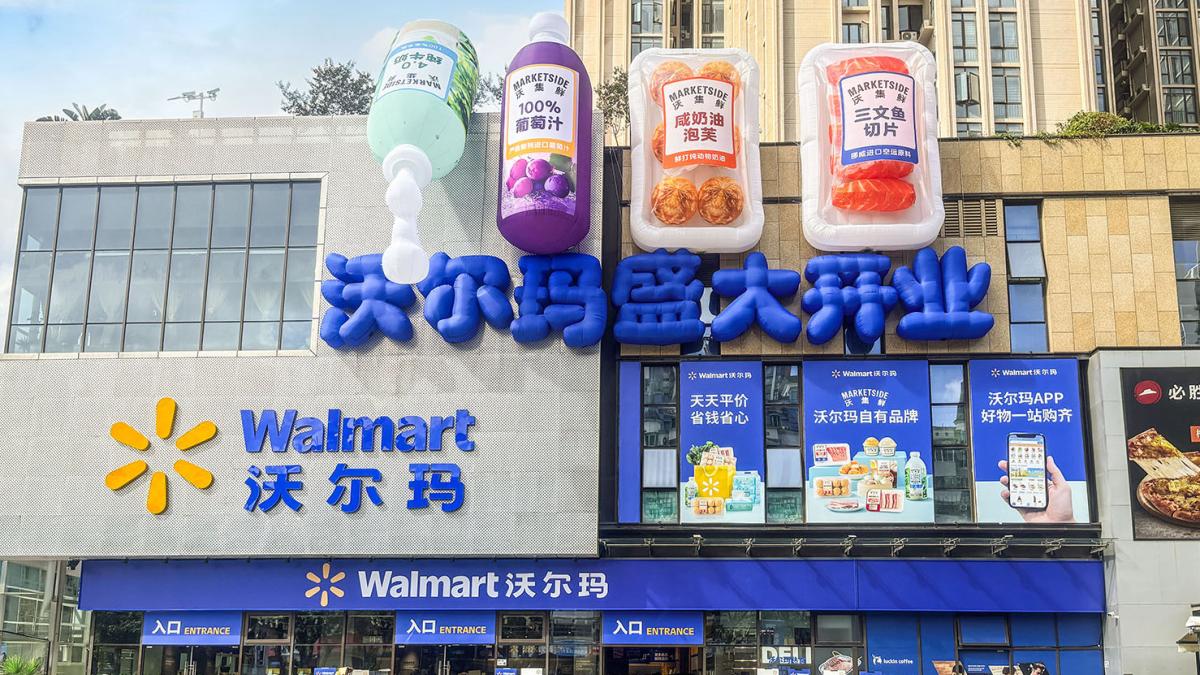


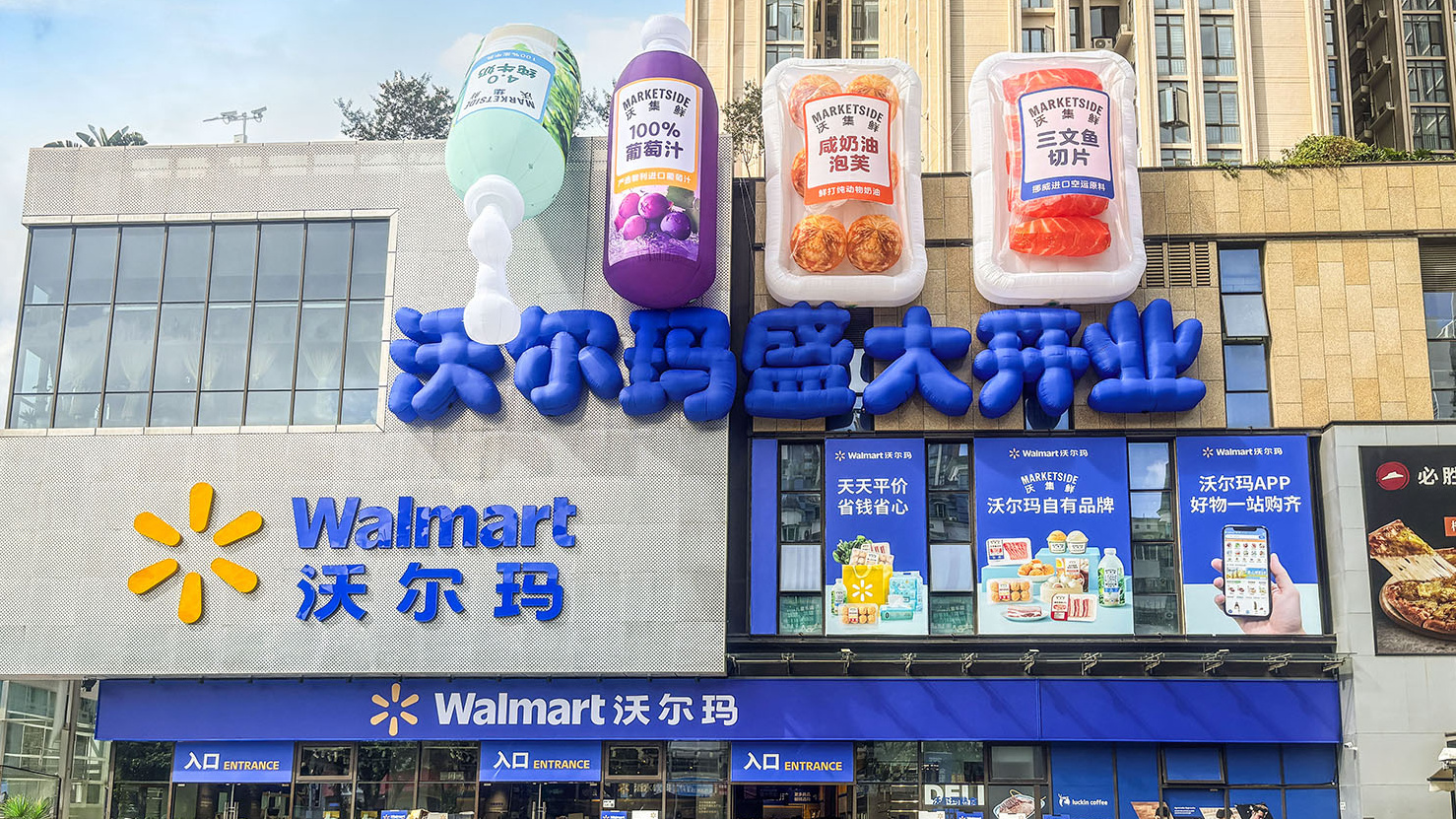
On April 25, Walmart China announced the grand reopening of its CapitaMall Jinniu store in Chengdu, with a completely new look. As the flagship of Walmart’s updated next-generation store model — now being rolled out at scale across China — the store, which opened in 2006 as Walmart’s original Sichuan location, has overhauled its product mix and store layout, promising customers fresher produce, better food, better value and a superior overall shopping experience.
This is the most ambitious store overhaul that Walmart has undertaken since entering China 30 years ago. Using this store as a blueprint, Walmart plans to accelerate renovations across its national network, with more than 100 store upgrades and new openings expected before the end of the year.
Walmart brought the hypermarket format to China in 1996, and foreign supermarket chains went on to enjoy nearly two decades of strong growth. But with e-commerce beginning to take off around 2010, followed by an explosion of group-buying apps, deep-discount retailers and membership warehouse clubs — including Walmart’s own Sam’s Club — from 2020 onward, the hypermarket sector has contracted sharply: Lotus has been steadily closing stores, Metro China was acquired by domestic retailer Wumei and Carrefour has exited China entirely.
In recent years, Walmart China has been steadily closing underperforming hypermarkets, even as its Sam’s Club membership stores experienced explosive growth. Now, the company is overhauling its hypermarket format entirely. Each next-generation store operates on a single floor of around 3,000 square meters — less than half the size of a typical Walmart hypermarket — stocking around 10,000 product lines with a sharp focus on fresh produce and food. These stores are designed to be leaner and more efficient, targeting middle-class families and single-person households in busy urban districts.
Freshness is the cornerstone of this upgrade. The new stores are doubling down on local products and supply chain investment, upgrading standards across production, display and shelf-life management, and significantly increasing the proportion of perishable fresh items with a shelf life of one to three days. Products such as fresh-cut beef, sliced fruit, sashimi and sushi, and fresh-chilled fish have proven especially popular. This move is supported by a new digital shelf-life alert system that monitors product freshness in real time. The floral section, fruit bar and seasonal kiosks also continuously introduce limited-edition items in line with the time of year, creating an ongoing sense of novelty.
Unlike Walmart China’s smaller community stores — designed for quick, nearby top-up shopping — the Jinniu-style next-generation stores offer a fuller one-stop experience: fresh produce, food, everyday essentials, non-food items and a “treasure hunt” browsing experience built around unexpected finds, from discounted global imports to limited-edition specialty products scattered throughout the store. Customers within five kilometers can also order directly through the Walmart app.
Image: Walmart China
This article was based on a Chinese article. Read the original article.
Regions:
Produce:
Related Reads





-
September 18, 2026
-
September 17, 2026
-
September 16, 2026
-
September 15, 2026
-
September 15, 2026
-
August 24, 2026
-
August 20, 2026
-
August 25, 2026
-
August 28, 2026
-
August 24, 2026
Upcoming Events

Featured Produce

Produce Marketplace
- ElGhouati Crops · Morocco
- ElGhaoutiCrops · Morocco
- Elangeni Food Group · South Africa
- Hainan ITG Logistics · A26,Haikou
- Joshua Lim · Malaysia
- City fresh fruit co. · Thailand

Add new comment