

You are here
Back to topVentura and Sekoya Pop Lead Peru’s Blueberry Evolution
January 07, 2026
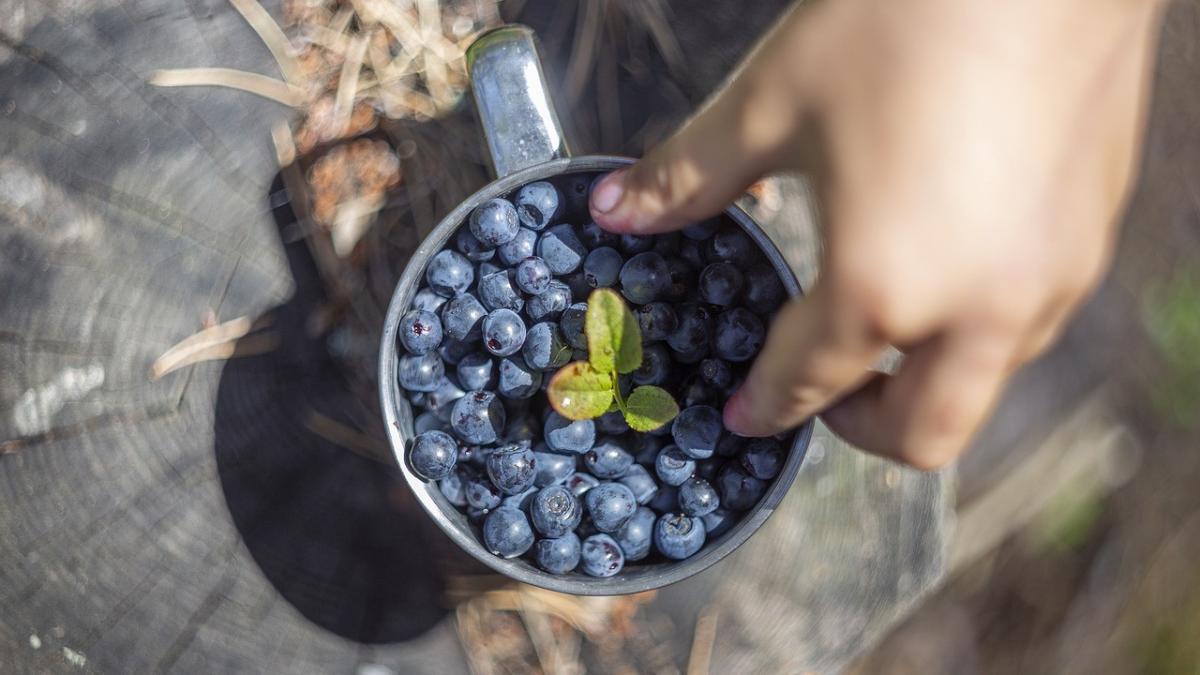


According to a report by Blueberries Consulting, a multidisciplinary team dedicated to advancing global blueberry knowledge, innovation and collaboration, Peru’s blueberry varieties have undergone rapid transformation in less than a decade to meet industry demands for fruit firmness, flavor and long-distance transport. Ventura and Sekoya Pop now rank among the leading varieties by cultivation area, followed by varieties such as Magica, Rocio and Emerald, whereas the traditional Biloxi variety has gradually become less common.
Since 2016, Biloxi’s relative share has steadily declined, while Ventura and the more recently introduced Sekoya Pop have continued to expand. These newer varieties are not only high-yielding but also offer a crisp texture, higher sweetness and longer shelf life. Ventura accounts for nearly one-fifth of Peru’s total blueberry cultivation area, supported by strong yields, attractive fruit size and superior postharvest performance.
Sekoya Pop still occupies a smaller cultivation area than Ventura but is expanding rapidly, particularly on technologically advanced farms targeting premium markets. This variety is known for its crisp bite and intense flavor, making it well suited for long-distance transportation. Its main challenges currently lie in cultivation and management practices, as well as in converting quality advantages into higher economic returns.
Today, premium blueberry varieties account for the majority of cultivation area, providing a solid foundation for Peru’s export programs tailored to specific markets. At the same time, the concentration on a limited number of varieties increases dependence on plant protection strategies and climatic conditions, requiring more refined production and postharvest management. As a result, many companies prioritize Ventura and Sekoya Pop while also incorporating second-tier varieties in an effort to diversify risk.
The United States remains the primary export destination for Peruvian blueberries, and demand from this market has been a key driver of varietal renewal. Many companies have continuously adjusted their planting plans to align with the specific requirements of North American retailers. Growers cultivating blueberries destined for the U.S. market prioritize firmness, resistance to damage and a fruit size suitable for standard retail packaging formats.
The European market places strong emphasis on the consumer sensory experience. Beyond firmness, European consumers value flavor that is sweet, well balanced and consistent, as well as appealing visual qualities such as uniform bloom, minimal defects and consistent fruit shape. Sustainability-related certifications — such as environmental, social, zero-waste or low-waste standards — also influence varietal and product selection in certain markets.
China has also become a key destination for Peruvian blueberries. Unlike the U.S. and European markets, however, Chinese consumers show a strong preference for large to extra-large fruit with a crisp texture, pronounced bloom and flawless appearance. Sekoya Pop and other next-generation varieties are particularly popular in China. Given the geographical distance, a critical factor for profitability is whether the fruit can maintain its crispness after several weeks of transit. As a result, exporters targeting China focus on delivering the highest-quality fruit through specific pruning, thinning and selective harvesting practices.
Image: Pixabay
This article was translated from Chinese. Read the original article.
Topics:
Regions:
Produce:



-
May 20, 2026
-
May 19, 2026
-
May 19, 2026
-
May 18, 2026
-
May 15, 2026
-
May 15, 2026
-
April 27, 2026
-
May 07, 2026
-
April 26, 2026
-
May 12, 2026
Featured Produce

Produce Marketplace
- ElGhaoutiCrops · Morocco
- Elangeni Food Group · South Africa
- Universal Capital Gr · Ecuador
- Hainan ITG Logistics · A26,Haikou
- Joshua Lim · Malaysia
- City fresh fruit co. · Thailand

Add new comment