

You are here
Back to topUnderstand the Nutritional Strengths of Cherries in 3 Minutes
December 18, 2025
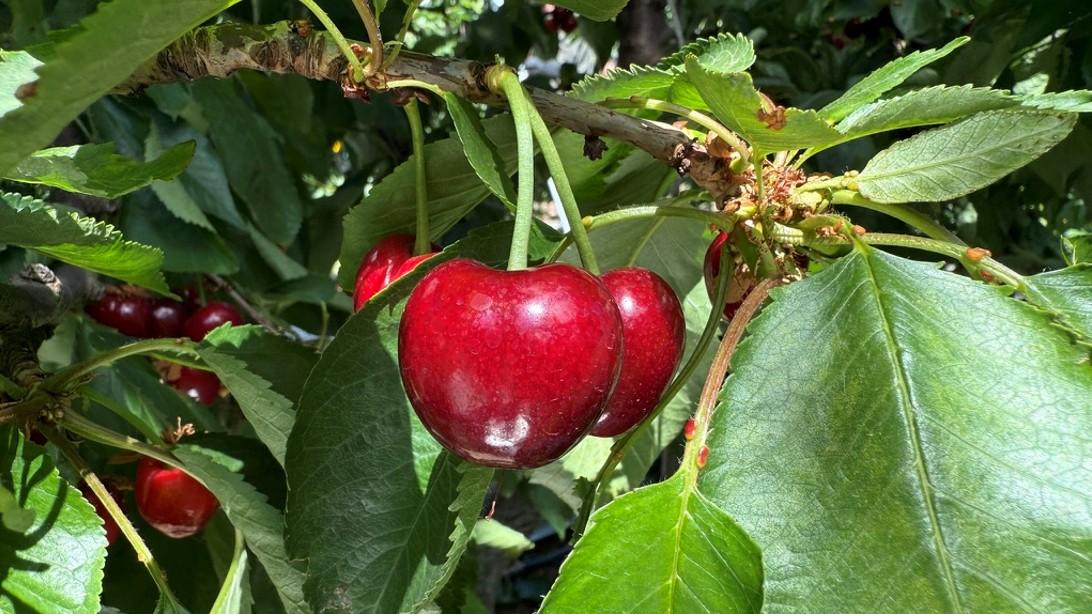


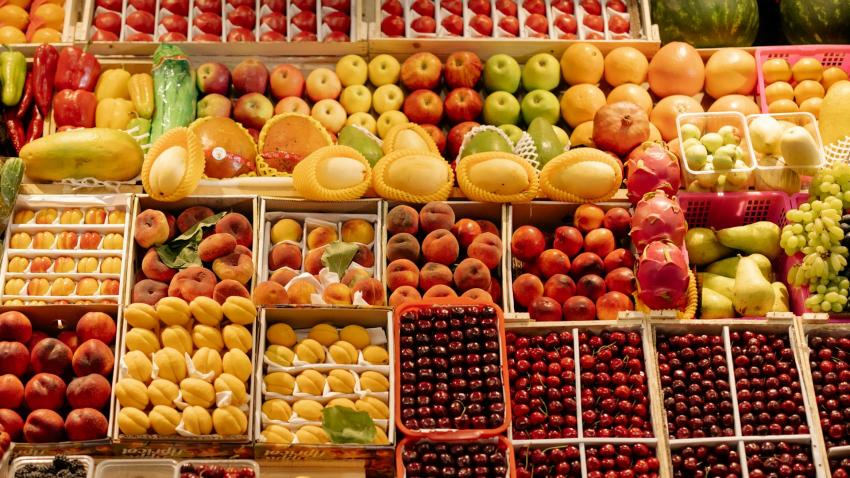
Cherry season in China is currently kicking into high gear. As one of the most popular winter fruits, what nutritional value do cherries really offer? Today, we use verified testing data to break down the true nutritional profile of cherries.
Test results from domestic laboratories covering the three major Chilean cherry varieties — Santina, Lapins and Regina — show that Chilean cherries are rich in potassium, with an average potassium content of 335 milligrams per 420 kilojoules, while sodium and fat were not detected. This high-potassium, low-sodium combination helps the body maintain normal fluid balance and acid/base balance, while also supporting proper nerve and muscle function.
Additionally, cherries contain magnesium and phosphorus, with average contents of 16 milligrams per 420 kilojoules and 37 milligrams per 420 kilojoules, respectively. Magnesium plays a key role in energy metabolism and neuromuscular function, while phosphorus contributes to bone formation and ATP synthesis. The two work in tandem to support healthy metabolic processes. Research shows that around 60% of Chinese residents consume insufficient magnesium, making regular dietary replenishment important.
The bright, attractive red color of cherries comes from anthocyanins, a group of natural pigments familiar to many consumers. In the foods we eat, anthocyanins are mainly present and absorbed in the form of anthocyanin glycosides. According to the “Chinese Dietary Reference Intakes” (2023 edition), adults are recommended to consume 50 milligrams of anthocyanins per day to support overall health.
Moreover, the “Dietary Guidelines for Chinese Residents” (2022 edition) state that vegetables and fruits can be categorized as dark-colored or light-colored based on their pigmentation. Cherries are categorized as dark-colored, belonging to the red/purple/black produce group. Dark-colored vegetables and fruits offer nutritional advantages and are recommended choices.
Meanwhile, the glycemic index reflects the impact of food on blood sugar levels after consumption. Low-GI foods help moderate post-meal blood sugar spikes and reduce fluctuations. According to the “International Tables of Glycemic Index and Glycemic Load Values,” cherries fall within the low-GI fruit category (GI ≤ 55). Recent domestic clinical trial reports show that the Chilean cherry variety Santina has a GI value of only 39.
The “Dietary Guidelines for Chinese Residents” (2022 edition) encourage increased fruit consumption, recommending a daily fresh fruit intake of 200–350 grams for adults. However, data show that in 2018, the average daily fruit intake for adults was only about 50 grams, far below the minimum recommendation. Cherries stand out for their exceptional nutritional profile, making them a good choice during winter.
Image: © 2025 Produce Report
Produce:



-
June 15, 2026
-
June 15, 2026
-
June 12, 2026
-
June 09, 2026
-
June 08, 2026
-
May 18, 2026
-
May 20, 2026
-
May 26, 2026
-
June 01, 2026
-
June 08, 2026
Upcoming Events



Produce Marketplace
- ElGhaoutiCrops · Morocco
- Elangeni Food Group · South Africa
- Universal Capital Gr · Ecuador
- Hainan ITG Logistics · A26,Haikou
- Joshua Lim · Malaysia
- City fresh fruit co. · Thailand

Add new comment