

You are here
Back to topTrade Deals and Logistics Boost Ecuador’s Banana Ambitions in Asia
November 09, 2026
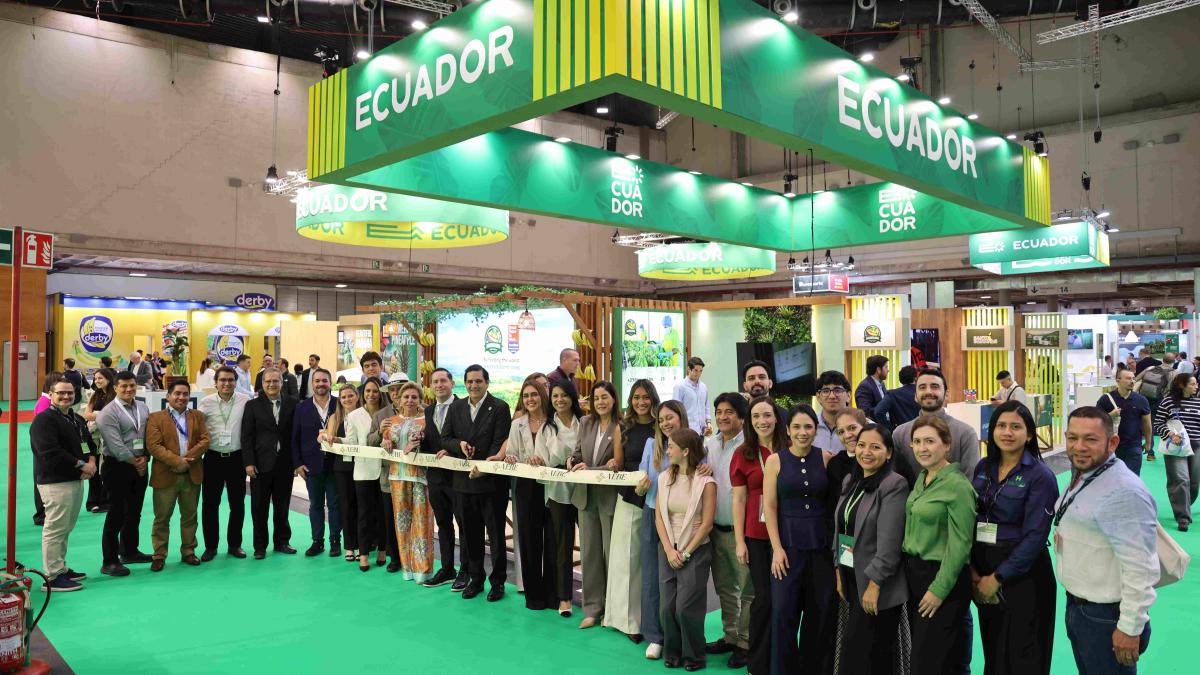


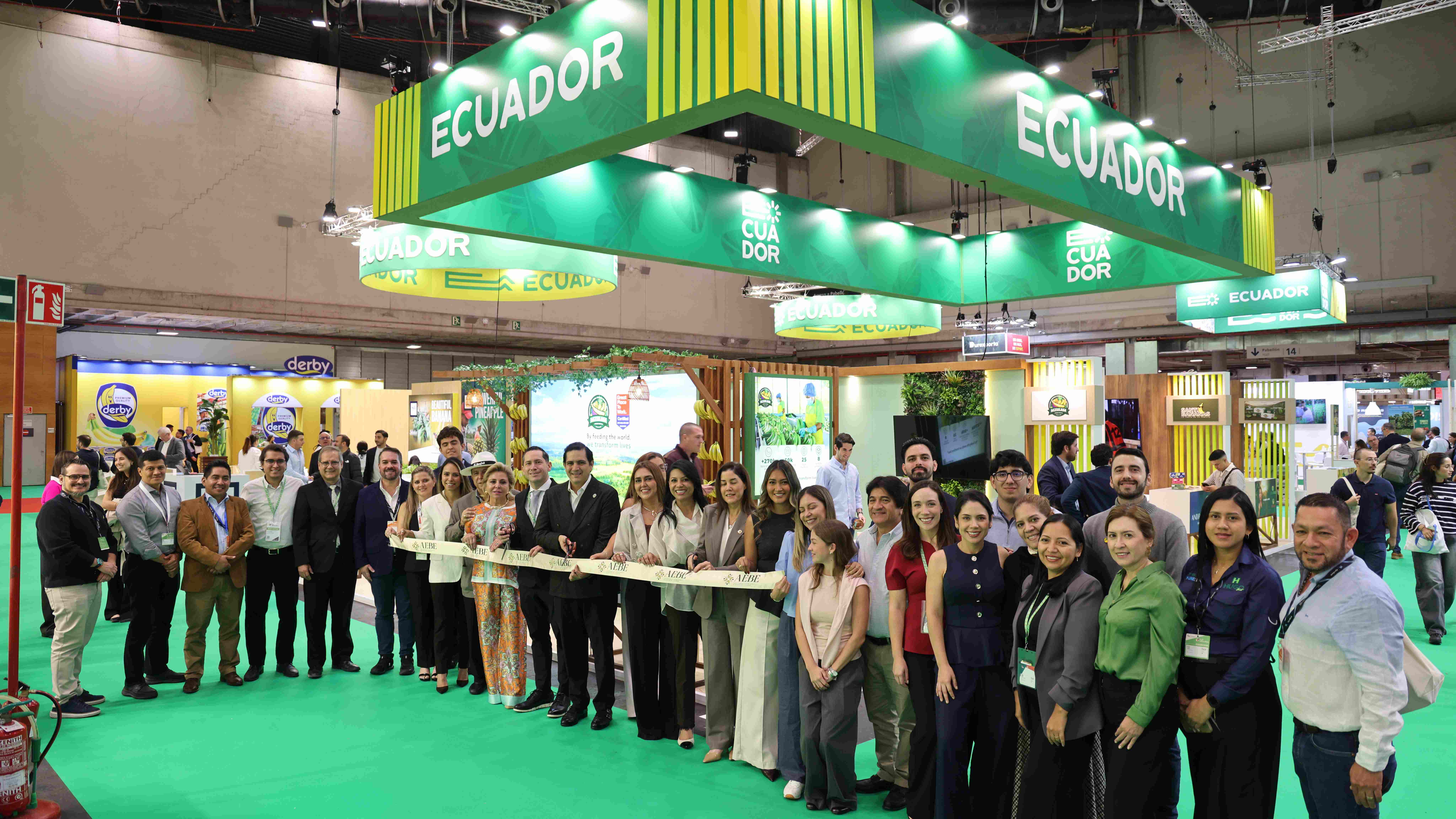
At the Fruit Attraction trade show held in Spain from Oct. 6 to 8, Produce Report sat down with Jose A. Hidalgo, executive director of the Association of Banana Exporters of Ecuador, for an interview on the association’s role, opportunities in the Asian market and the global competitiveness of Ecuadorian bananas.
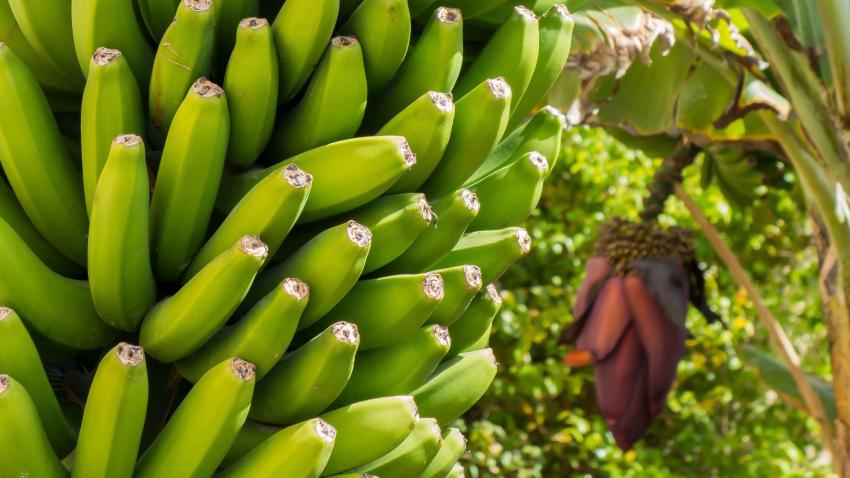
Ecuador is the world’s leading banana exporter, accounting for around 29.6% of global banana exports. The country has approximately 75,447 banana producers and 200,000 hectares under cultivation. Small-scale producers operating farms of less than 30 hectares account for 75% of production, while 89% of export production comes from large-scale farms.
The Association of Banana Exporters of Ecuador represents more than 70% of the country’s banana exports and is committed to strengthening the industry’s competitiveness and sustainability. It brings together key players across the supply chain, including cardboard manufacturers, packaging material suppliers and shipping companies. It also coordinates the Banana and Plantain Cluster of Ecuador, working with other producer and exporter associations to foster collaboration across the industry.

China is a key driver of export growth for Ecuadorian bananas. May 2026 marked two years since the China–Ecuador free trade agreement took effect, and tariff reductions and trade facilitation measures continue to support bilateral trade. According to data from China’s General Administration of Customs, from January to September of this year, Ecuador exported 256,200 metric tons of bananas to China valued at $196 million, accounting for 15.64% of China’s total banana import volume and 21.54% of its total banana import value, respectively.
Hidalgo said that under the free trade agreement, the tariff on Ecuadorian bananas entering the Chinese market has been reduced from 10% to 7% and is scheduled to be eliminated entirely after seven years. As tariffs continue to decline, Ecuador’s banana exports to China have maintained steady growth. China currently accounts for approximately 4% of Ecuador’s total banana exports. Hidalgo believes that the eventual elimination of tariffs will allow Chinese consumers to enjoy Ecuadorian bananas at more competitive prices.
At present, Ecuador’s banana exports are concentrated in the European Union (approximately 32.38%), Russia (approximately 19.83%) and the Middle East (approximately 15.54%). With limited room for growth in traditional markets, Ecuador needs to further diversify its export destinations. Against this backdrop, Asia is regarded as a market where growth is essential and has become a key focus of export diversification efforts. The association aims to increase Asia’s share of Ecuador’s banana exports, creating a more balanced export portfolio and strengthening the industry’s resilience to market risks.
Beyond China, South Korea and Japan are also key markets for Ecuador’s banana industry. The free trade agreement between Ecuador and South Korea was signed in Seoul on Sept. 2, 2025. Ecuador has completed its domestic ratification process and is now awaiting approval by South Korea’s National Assembly. South Korea currently imposes tariffs of up to 30% on Ecuadorian bananas. Once the agreement enters into force, these tariffs will be phased out over five years.
In 2024 and 2025, South Korea temporarily lowered tariffs on bananas and other food products to zero in response to rising consumer prices. During this period, Ecuadorian banana exports to South Korea increased by more than 200%, highlighting the potential for further export growth under a zero-tariff regime.
In Japan, Ecuadorian bananas currently face seasonal tariffs of 20% in the first half of the year and 10% in the second half. Bilateral economic and trade dialogue has gained significant momentum in recent months. During the Ecuadorian president’s visit to Japan in August 2025, the Association of Banana Exporters of Ecuador took part in high-level discussions aimed at improving market access.
In June 2026, the two countries established a joint economic and trade committee. Following talks between their foreign ministers in August, both sides reaffirmed their commitment to accelerating negotiations on an economic partnership agreement, with the aim of formally launching talks before the end of the year. Ecuador has explicitly called for bananas, shrimps, cocoa and other products to be included in the agreement to boost exports to Japan.
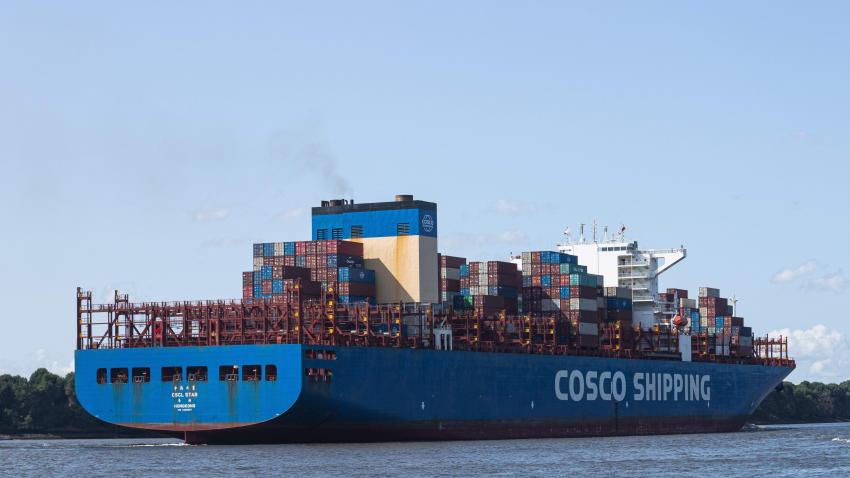
Hidalgo noted that logistics is a fundamental factor in the competitiveness of Ecuadorian bananas and must continue to be strengthened. While acknowledging the commitment of shipping lines operating services to Asia and the progress made in reducing transit times, he stressed that challenges persist in ensuring adherence to agreed delivery schedules. He explained that although some services can reach Asian markets in approximately 21 days, changing global conditions may result in operational disruptions, additional waiting times and delays.
Against this backdrop, he emphasized that strengthening communication and coordination with shipping companies will be essential in 2027 to further improve the efficiency and reliability of services to Asia. More efficient logistics management will play a key role in supporting the continued growth of Ecuadorian banana exports to these markets.
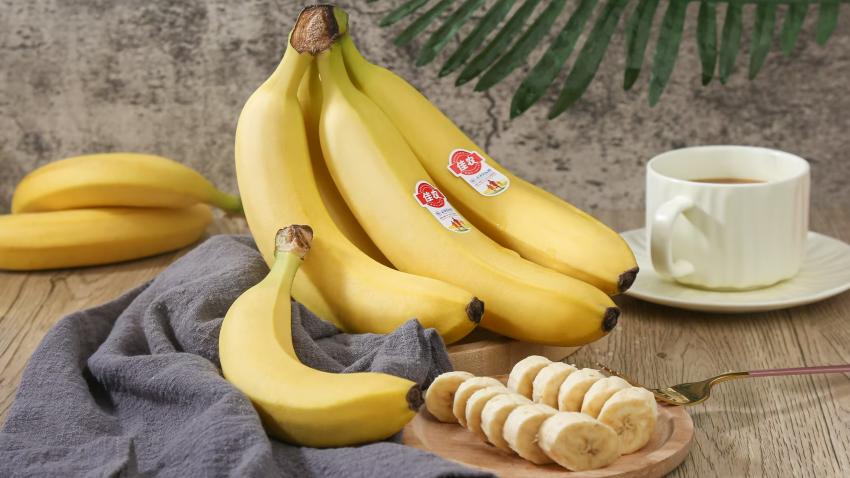
In addition to logistics, industry-wide coordination and the inherent qualities of Ecuadorian bananas also contribute to Ecuador’s global competitiveness. The association brings together stakeholders from across the supply chain, including logistics and transportation providers, helping to streamline coordination and strengthen export operations. Ecuador’s Cavendish bananas are also well suited to the country’s diverse microclimates and have a longer green life than those grown in many other producing regions. As Hidalgo explained, these characteristics enable Ecuadorian bananas to withstand long-distance shipping and arrive in good condition in distant markets, including those in Asia and Russia, supporting the country’s efforts to expand its global market reach.
Images: Association of Banana Exporters of Ecuador
Regions:
Produce:


-
November 09, 2026
-
November 09, 2026
-
November 08, 2026
-
November 05, 2026
-
November 04, 2026
-
October 20, 2026
-
October 19, 2026
-
October 21, 2026
-
October 27, 2026
-
October 22, 2026
Featured Produce

Produce Marketplace
- Pujiang Tangguo Agri · China
- Pujiang Tangguo Agri · China
- ElGhouati Crops · Morocco
- Hainan ITG Logistics · A26,Haikou
- Joshua Lim · Malaysia
- City fresh fruit co. · Thailand

Add new comment