

You are here
Back to topLancang–Mekong Waterway Facilitates Southeast Asian Fruit Exports to China
November 05, 2026
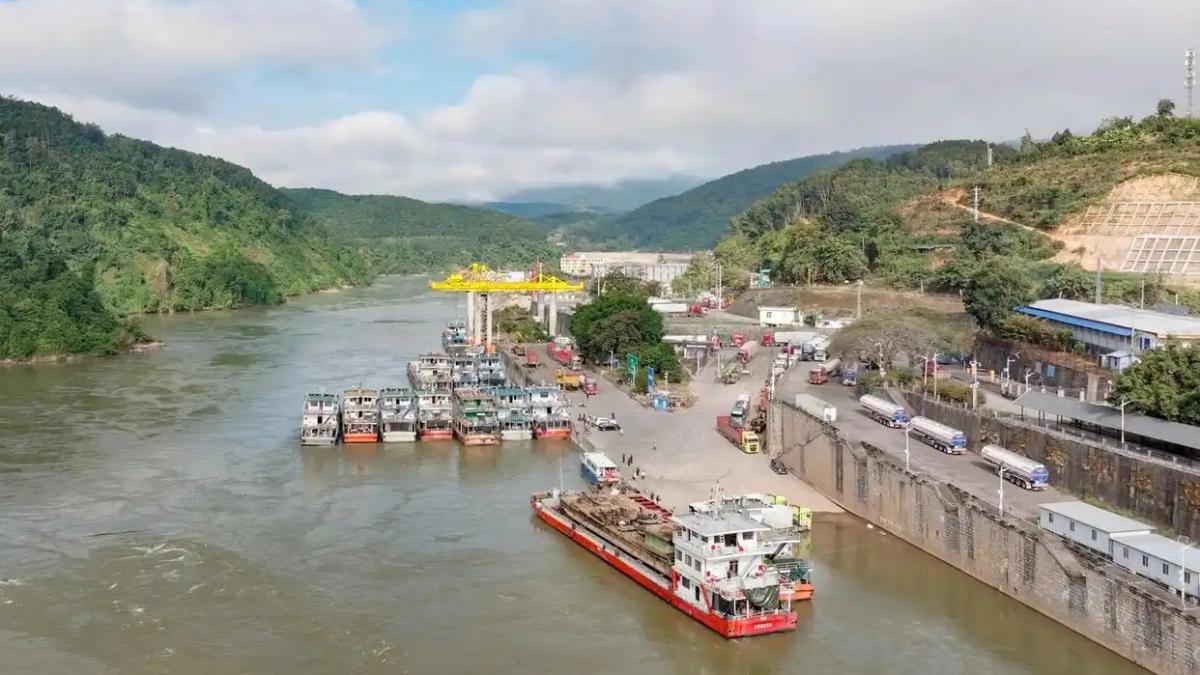


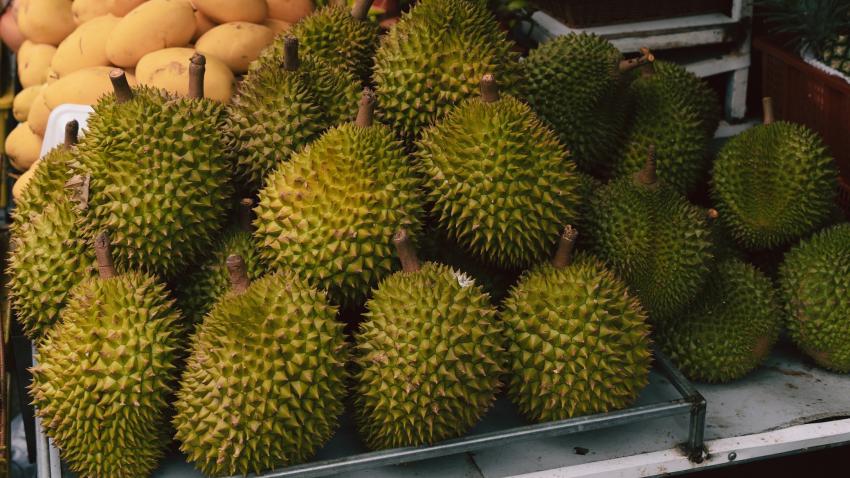
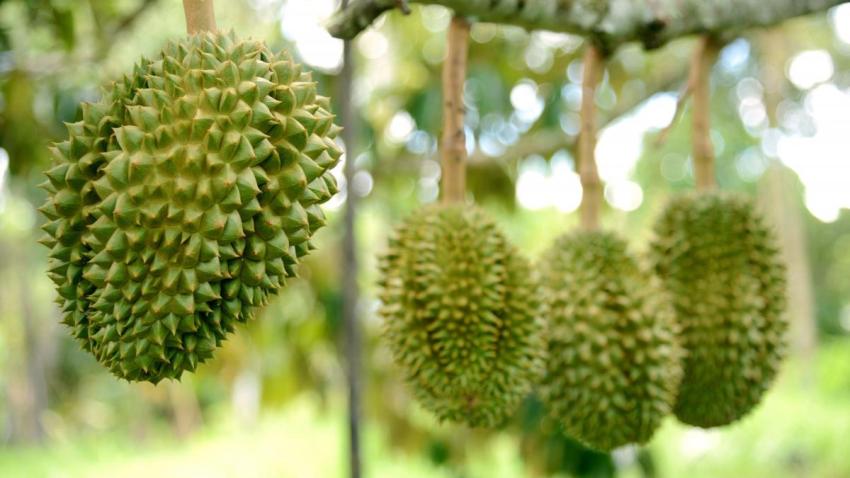
According to statistics from Xishuangbanna Customs, from January to September, the Guanlei Port border crossing in Yunnan province imported a total of 63,900 metric tons of tropical fruits from Thailand, including durians, mangosteens and longans, valued at 953 million Chinese yuan ($142 million). The import volume and import value surged 16.2-fold and 9.7-fold year on year, respectively. For the first time, fruit imports surpassed all traditional cargo categories to become the crossing’s largest import category.
During the same period, the border crossing handled a total of 291,500 metric tons of import and export cargo, valued at 5.195 billion yuan ($777 million), representing year-on-year increases of 60.9% in volume and 150% in value. In the first eight months of the year, fruit imports via the Lancang–Mekong International Waterway reached 42,700 metric tons, valued at 721 million yuan ($108 million), four times the total import volume recorded for the whole of 2025.
Previously, fresh fruit from Southeast Asia entering Yunnan had to be transported via the China–Laos Railway using cold-chain logistics or by road through the Mohan or Friendship Pass border crossings, while the Guanlei Port border crossing had not been authorized to handle fruit imports by waterway. However, following the establishment of a designated customs inspection facility, fruit shipped from Chiang Saen Port in northern Thailand can now travel directly along the Mekong–Lancang River to Guanlei in approximately 26 hours, without passing through a third country. This route cuts transit time by about three days compared with traditional land transportation and reduces overall logistics costs by approximately 20%.
After more than two years of operational adjustments and coordination, the waterway route began regular operations in 2025. By the third quarter of 2026, the Guanlei Port border crossing was handling nine major varieties of fresh fruit, including durians, longans, mangosteens and pineapples. A total of 47 businesses were engaged in fruit imports and exports, supported by a range of services including freight forwarding, customs clearance and cold-chain warehousing.
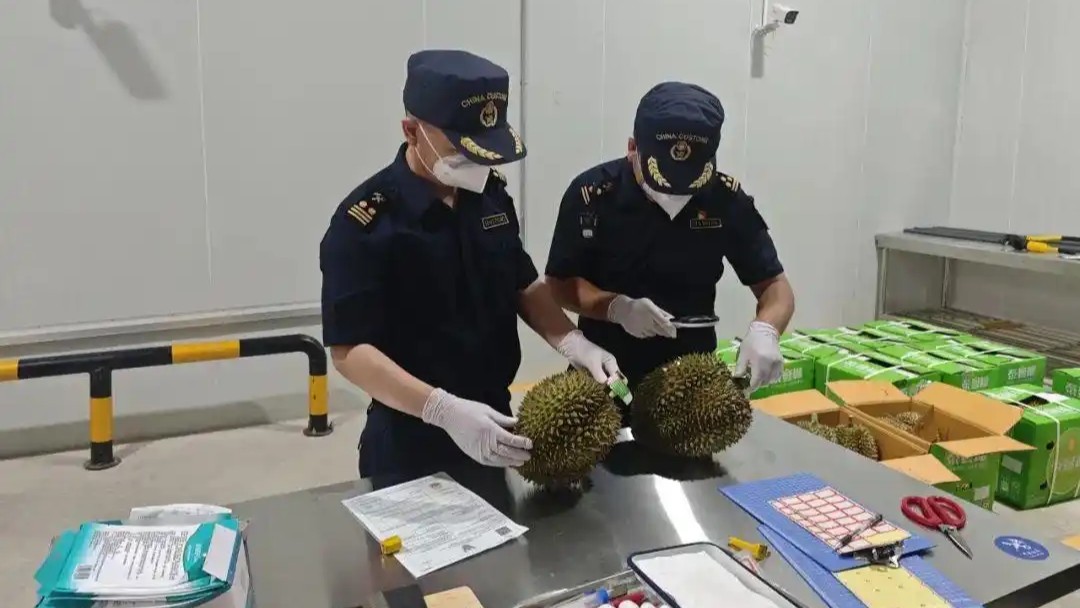
According to a representative of a freight forwarding company operating at Guanlei Port, the company added three transport vessels and more than 130 refrigerated containers this year. From January to August, its fruit import volume increased fivefold year on year. After customs inspection and clearance, imported fresh fruits are distributed through China’s well-developed cold-chain logistics network, reaching 20 provinces, autonomous regions and municipalities nationwide.
Xishuangbanna Customs has established a green channel for fresh produce and introduced a range of trade facilitation measures, including “advance declaration,” “two-step access” and “conditional release.” It also provides customs clearance services by appointment around the clock, ensuring that shipments are inspected upon arrival, released promptly once they meet all requirements and quickly dispatched to their next destination.
As October begins, reduced inflows from the upper reaches of the Mekong River have led to a gradual decline in water levels, creating several challenges for river transport. These include temporary vessel capacity shortages due to draft restrictions, slower navigation through shallow sections, and rougher sailing conditions caused by fluctuating water levels. Together, these factors have affected cargo volumes to some extent.
However, a comparison of available transport options shows that the Lancang–Mekong waterway remains cost-competitive. It is well suited to large shipments of longans and lower-grade durians that can tolerate longer transit times. Importers should, however, reserve vessel space 7–10 days in advance and take precautions against moisture buildup inside containers by using protective film and compression-resistant packaging.
Road transport offers more predictable transit times and is less affected by water levels and weather, but it has a higher cost per container, making it more suitable for premium durians and mangosteens in urgent orders. Cold-chain capacity on the China–Laos Railway remains tight, with longer booking lead times, making it better suited to fruit varieties with longer shelf lives.
In practice, importers should avoid relying exclusively on river transport. Combining waterway and road transport can help mitigate uncertainties related to fluctuating water levels and vessel availability. Importers should also confirm transit times with freight forwarders in advance to provide domestic markets with accurate delivery estimates.
Images: Yunnan Daily
This article was translated from Chinese. Read the original article.


-
November 05, 2026
-
November 04, 2026
-
November 03, 2026
-
November 03, 2026
-
November 01, 2026
-
October 06, 2026
-
October 19, 2026
-
October 20, 2026
-
October 21, 2026
-
October 09, 2026
Featured Produce

Produce Marketplace
- Pujiang Tangguo Agri · China
- Pujiang Tangguo Agri · China
- ElGhouati Crops · Morocco
- Hainan ITG Logistics · A26,Haikou
- Joshua Lim · Malaysia
- City fresh fruit co. · Thailand

Add new comment