

You are here
Back to topXinjiang Fruit Exports Surge in 2025, Value Up 44% Year on Year
February 08, 2026
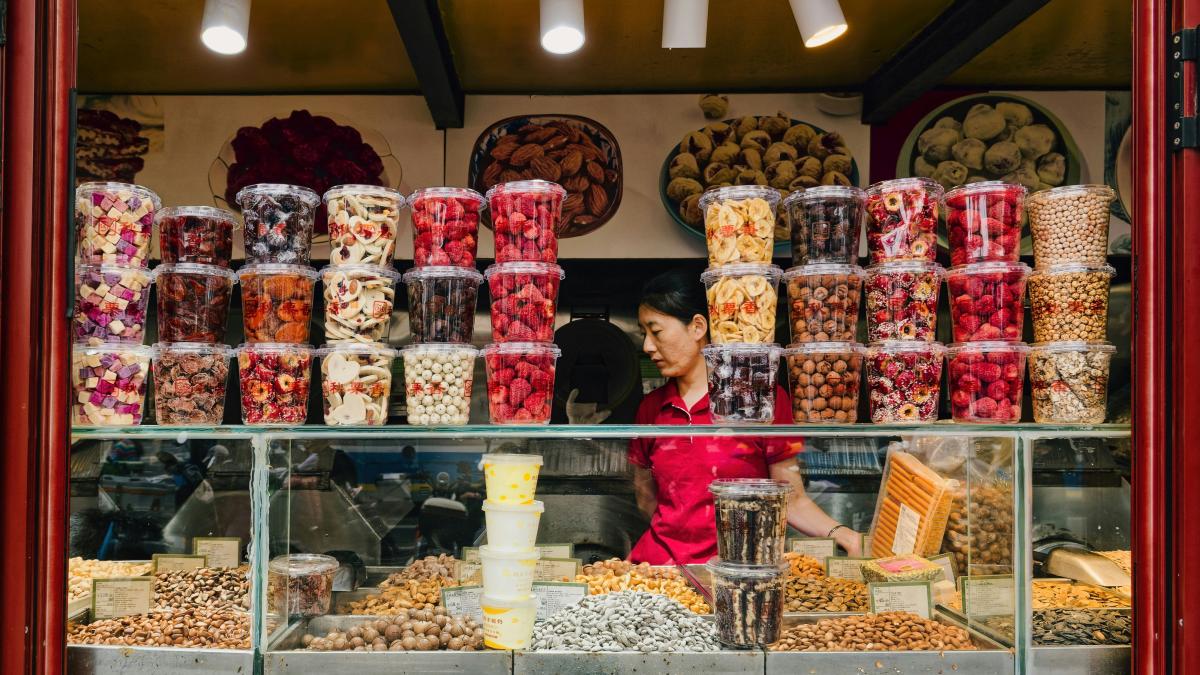


According to data from China’s General Administration of Customs, fruit exports from Xinjiang province rose by 33% to 320,000 metric tons in 2025, while the export value increased by 44% year on year to 4.2 billion Chinese yuan ($605.3 million). Fresh fruits such as grapes and pears, together with dried fruits and nuts including walnuts and raisins, are the region’s main export categories, accounting for roughly half of Xinjiang’s total fruit exports.
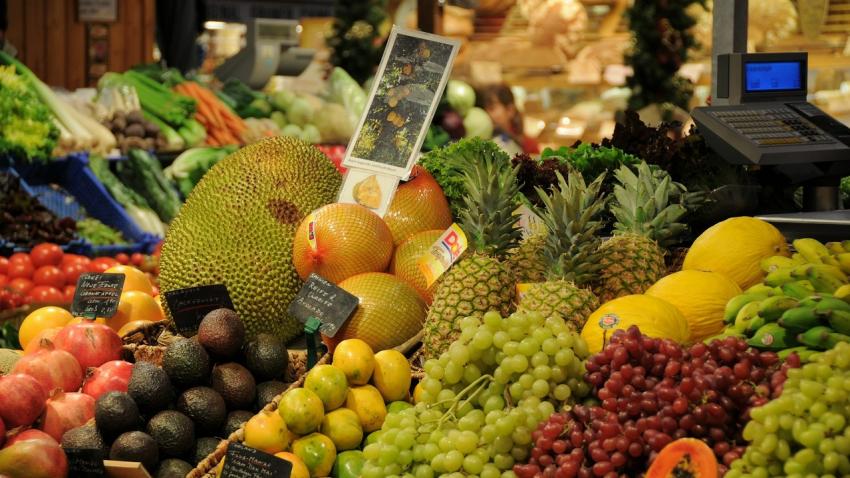
Fresh fruit exports are led by grapes and pears. Xinjiang’s grape exports reached 857 million yuan ($123.5 million) in 2025, up by 71.4% year on year, with Xinjiang grapes gaining popularity in Southeast Asian markets on account of their sweet, fresh taste. Pear exports also grew steadily, reaching 417 million yuan ($60.1 million). Korla pears, a premium Xinjiang variety, are particularly favored; from January to November 2025, Korla pear exports totaled 360 million yuan ($51.9 million), accounting for around 10% of Xinjiang’s total fruit export value. Peaches and apples each recorded an export value in excess of 100 million yuan ($14.4 million).
Walnuts remain Xinjiang’s most important export. Walnut exports reached 2.3 billion yuan ($331.5 million) in 2025, accounting for 54% of the total fruit export value. Aksu Prefecture, the core production area, reported walnut exports of 69,000 metric tons in the first 10 months of 2025, up by 40.3% year on year and accounting for more than 70% of local agricultural exports. Xinjiang exports walnuts to 37 countries and regions, including Pakistan, Russia, Germany and Japan.
Other dried fruits and nuts are also expanding rapidly. Almond exports recorded year-on-year growth of 594%. Although volumes remain smaller than those of walnuts, almonds are emerging as a new growth area for dried-fruit exports. Raisins, one of Xinjiang’s traditional export products, also performed steadily, with the total export value exceeding 100 million yuan ($14.4 million). Xinjiang raisins remain popular in Central Asia and the Middle East, while also gaining access to European markets including the United Kingdom and Russia.
Exports have also expanded in Aral (also known as Alar), a major production area for red dates. Alar Fangxinqing Fruit Company, a key exporter, has an annual processing capacity of around 10,000 metric tons and exports approximately 5,000 metric tons per year. In 2025, it completed 29 shipments of dried red dates worth 11 million yuan ($1.59 million).
Growth in both export volume and value has been supported by improvements in Xinjiang’s export infrastructure and logistics. The region has linked border ports, airports and registered orchards into a coordinated export system and uses multiple transport modes including the China–Europe Railway Express, cold-chain freight trains and cargo charter flights. These measures have improved delivery efficiency, with shipments able to reach destinations outside Xinjiang within 48 hours. Central Asia remains Xinjiang’s core export market, with the annual export value exceeding 2 billion yuan ($288.2 million). Southeast Asia is a key destination for fresh fruit, while the Middle East continues to show strong demand for walnuts.
Image: Unsplash
This article was based on a Chinese article. Read the original article.
Topics:
Regions:




-
September 23, 2026
-
September 22, 2026
-
September 22, 2026
-
September 21, 2026
-
September 20, 2026
-
August 28, 2026
-
August 25, 2026
-
August 27, 2026
-
September 15, 2026
-
September 15, 2026
Upcoming Events

Featured Produce

Produce Marketplace
- ElGhouati Crops · Morocco
- ElGhaoutiCrops · Morocco
- Elangeni Food Group · South Africa
- Sizgekjtwt LLC · Oxvmi LLC
- Hainan ITG Logistics · A26,Haikou
- Joshua Lim · Malaysia

Add new comment