

You are here
Back to top[Press Release] New Study Links Higher Anthocyanin Intake to Reduced Risk of Major Cardiometabolic Diseases in Healthy Individuals
July 15, 2026


This content has been published as provided by its author. It has only been modified from its original version to follow Produce Report editorial guidelines and for necessary website formatting.
There is growing evidence that certain foods may be important not only for the vitamins and minerals that they contain but also for the bioactives that they provide. While common vitamins and minerals are required to meet basic human nutritional needs, bioactives are compounds commonly found in foods or dietary supplements that are responsible for changes in health status.
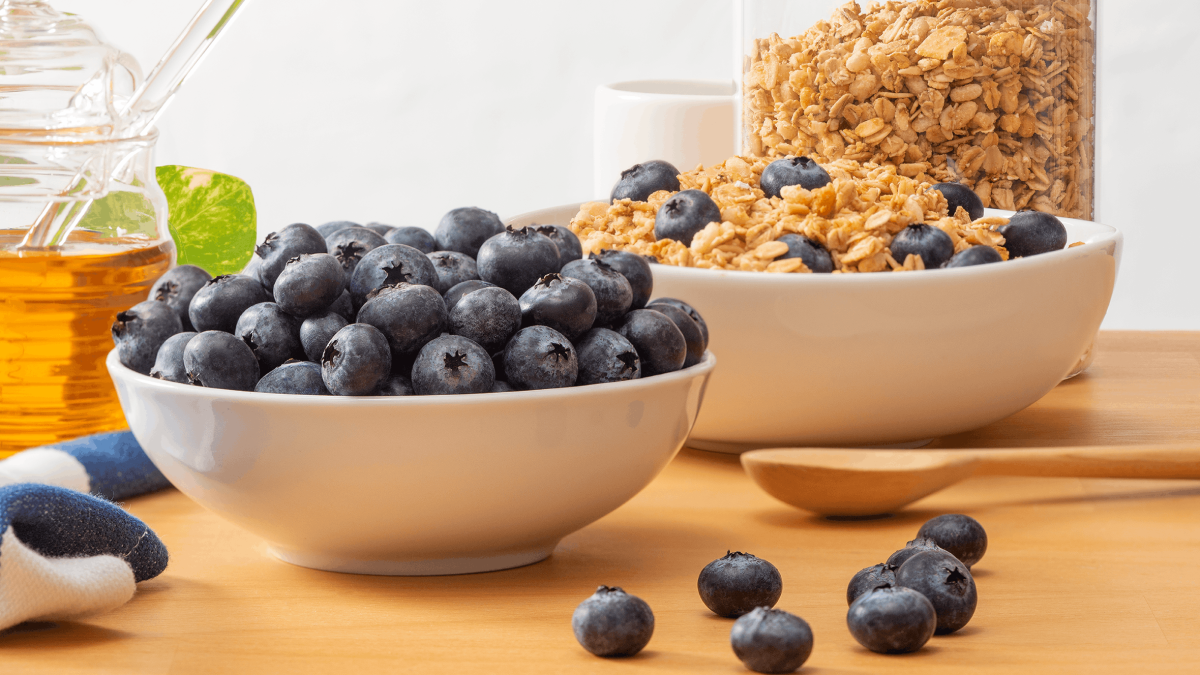
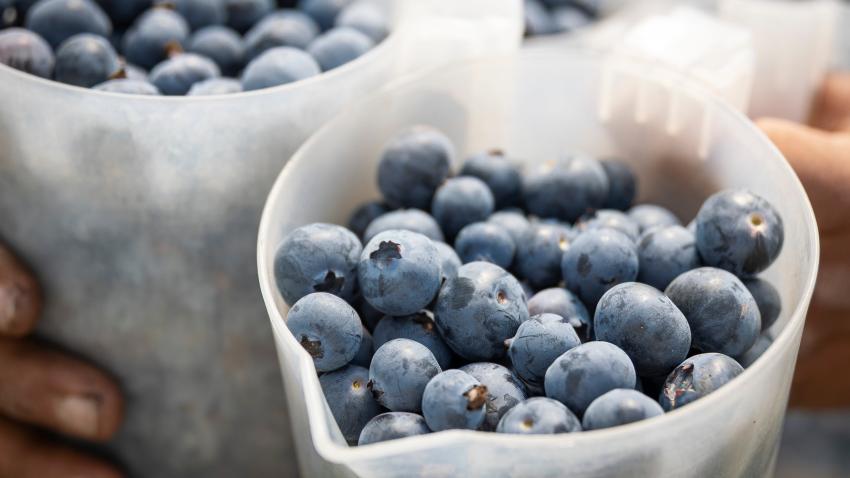
One group of bioactives is dietary anthocyanins, a type of polyphenol responsible for red, purple and blue colors in some fruits and vegetables. Berries in particular are a rich fruit source and blueberries have the highest amount of anthocyanins among the most commonly consumed berries. Anthocyanins have been studied for their anti-inflammatory effects along with their positive impact on health, such as helping to support cardiovascular function.
While previous meta-analyses support the cardiometabolic benefits of anthocyanins in heterogenous populations (including disease), efficacy in healthy populations remains unknown. To explore the effect of anthocyanins in healthy participants, researchers at Tufts University Medical Center, Norwich Medical School and Queen’s University conducted the first ever systematic review and meta-analysis of prospective cohort studies and randomized controlled trials (RCTs) in healthy participants. The results were recently published in the American Journal of Clinical Nutrition.
Key Study Details
The authors evaluated data on anthocyanins and cardiometabolic health from scientific papers published from 1946 to September 2024 that reported anthocyanin intake and cardiovascular disease risk or cardiometabolic biomarkers. They identified the papers using the databases PubMed, Cochrane Central, Commonwealth Agricultural Bureau and Web of Science.
After analyzing 18 prospective cohort studies in 27 publications (1,063–369,827 participants ≥18 years of age) the researchers found that a higher intake of anthocyanins lowered the risk for cardiovascular disease, myocardial infarction (more commonly known as a heart attack), hypertension and type 2 diabetes.
Anthocyanin Intake Linked to Improved Biomarkers
The researchers also analyzed 65 RCTs (40–130 participants ≥18 years of age). It is significant to note that this RCT review showed that anthocyanin intakes as low as 50 milligrams per day improved atherosclerosis (plaque buildup) and metabolic syndrome biomarkers (e.g., elevated blood pressure, high triglycerides, low HDL cholesterol, elevated fasting and high waist circumference) in healthy individuals. To put that amount into perspective, 50 milligrams per day of anthocyanins equates to the highly achievable amount of approximately one-third of a cup of blueberries per day (a typical serving size is one cup).
“This study suggests that simple and achievable dietary changes could have a significant impact in reducing the risk of heart disease and type 2 diabetes,”’ said Aedin Cassidy, PhD, Chair of Nutrition and Preventive Medicine and co-director of the Co-Centre for Sustainable Food Systems at Queen’s University Belfast in Northern Ireland and the study’s lead investigator.
According to professor Cassidy, “By pooling all the data from high quality population-based studies and randomized controlled studies, our data suggests that higher habitual intakes of anthocyanins are associated with a lower risk of developing illnesses such as cardiovascular disease, hypertension, and type 2 diabetes. These benefits were backed up by the available data from randomized controlled trials which showed that readily achievable anthocyanin intakes, as low as 50 mg/d, improve cardiometabolic biomarkers in healthy participants.”
“Our study shows clinically relevant improvements in blood flow, elasticity of the arteries and insulin levels in the combined trial data and these improvements could translate into significant long term health benefits,” professor Cassidy added. “We hope these findings contribute to the existing and growing body of research on anthocyanins and enhance understanding of their potential role in human health.”
Future Research Directions
Future research should focus on larger and longer-duration trials. Additionally, biomarker-based intake assessments in cohort studies and the explorations of dose/response relationships in RCTs are warranted.
Collectively, these findings illustrate the important role of anthocyanins in supporting cardiometabolic health outcomes and risk biomarkers in healthy individuals. This data continues to strengthen the overall evidence base that contributes to the broader body of research examining the influences of dietary anthocyanins, found in foods like berries, on cardiovascular health.
The U.S. Highbush Blueberry Council had no role in study design, data collection, data analysis, data interpretation or writing of the study. For more information on blueberry nutrition research, visit the USHBC’s Research Library.
Image: U.S. Highbush Blueberry Council
Topics:
Regions:
Produce:
Related Reads



-
September 18, 2026
-
September 17, 2026
-
September 16, 2026
-
September 15, 2026
-
September 15, 2026
-
August 24, 2026
-
August 20, 2026
-
August 25, 2026
-
August 28, 2026
-
August 24, 2026
Upcoming Events

Featured Produce

Produce Marketplace
- ElGhouati Crops · Morocco
- ElGhaoutiCrops · Morocco
- Elangeni Food Group · South Africa
- Hainan ITG Logistics · A26,Haikou
- Joshua Lim · Malaysia
- City fresh fruit co. · Thailand

Add new comment