

You are here
Back to topChina Releases Phytosanitary Rules for Fresh Peruvian Pomegranates
December 02, 2025
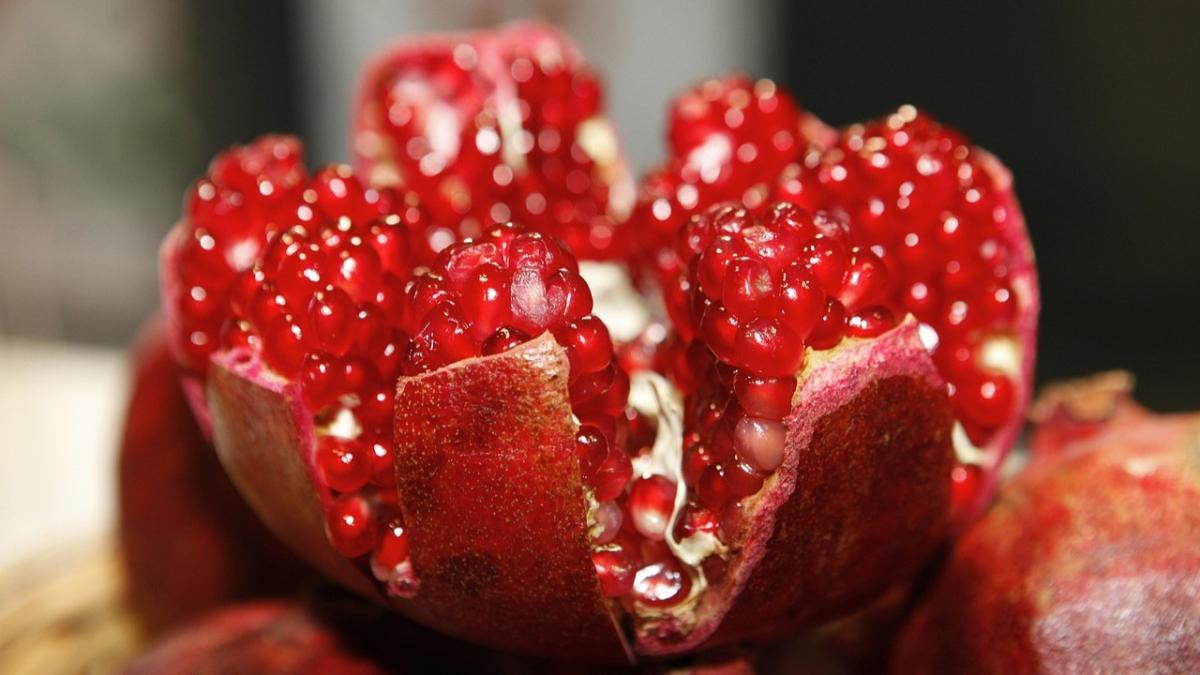


On Nov. 24, the General Administration of Customs of China announced via its website that fresh Peruvian pomegranates meeting the stipulated phytosanitary requirements would be permissible for import into China.
Domestic consumption of pomegranates in Peru is low, with most of the crop produced for export. In 2024, Peru exported 28,000 metric tons of pomegranates, mainly to the Netherlands, Russia, the United States, the United Kingdom and Canada. The Ica region is Peru’s primary pomegranate-producing area, accounting for 75% of national output, followed by La Libertad and Arequipa. Peru’s pomegranate export season runs from January to June, with peak shipments in February and March. This timing avoids China’s domestic pomegranate season and aligns with strong, festival-driven demand around Chinese New Year.
According to the GACC announcement, a total of six quarantine pests of concern have been identified by China. These include the South American fruit fly (Anastrepha fraterculus), Mediterranean fruit fly (Ceratitis capitata), codling moth (Cydia pomonella), gray pineapple mealybug (Dysmicoccus neobrevipes), western flower thrip (Frankliniella occidentalis) and obscure mealybug (Pseudococcus viburni). Orchards involved in exporting fresh pomegranates to China must establish robust quality management and traceability systems under the supervision of the Peruvian Ministry of Agricultural Development and Irrigation and adhere to good agricultural practices and integrated pest management techniques.
During processing, pomegranates must be washed, disinfected, sorted and graded, with defective fruits removed and the calyx cavity cleaned using an air jet, to ensure that shipments are free of insects, mites, rotten fruits, roots, stems, leaves and soil.
Pomegranates destined for China must also undergo cold treatment prior to export or during transportation under the supervision of the Peruvian Ministry of Agricultural Development and Irrigation or its authorized agents. The cold treatment must follow established protocols and maintain a pulp core temperature of 1.11 degrees Celsius or below for at least 15 consecutive days or 1.67 degrees Celsius or below for at least 17 consecutive days.
Image: Pixabay
This article was translated from Chinese. Read the original article.
Produce:



-
October 16, 2026
-
October 14, 2026
-
October 14, 2026
-
October 13, 2026
-
October 13, 2026
-
September 23, 2026
-
October 06, 2026
-
September 16, 2026
-
September 22, 2026
-
September 20, 2026

Produce Marketplace
- Pujiang Tangguo Agri · China
- Pujiang Tangguo Agri · China
- ElGhouati Crops · Morocco
- Hainan ITG Logistics · A26,Haikou
- Joshua Lim · Malaysia
- City fresh fruit co. · Thailand

Add new comment