

You are here
Back to topApple Tea Drinks Boom in China as Brands Embrace HPP Concentrate
March 30, 2026


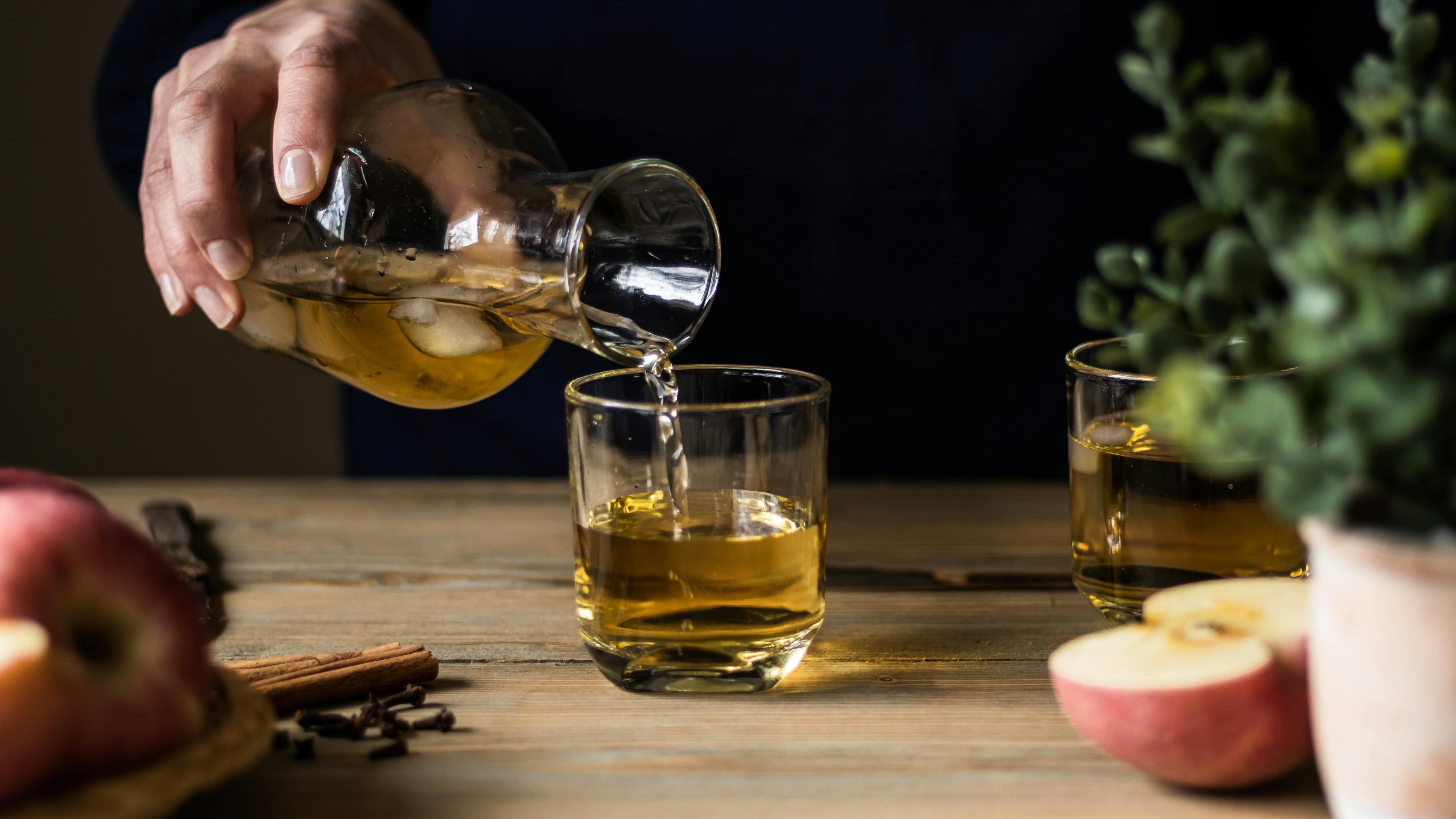
Apple-flavored tea drinks are taking China’s tea beverage industry by storm. Made with apple concentrate, they offer a refreshing, clean taste that has proven popular across age groups and regions, making them one of the fastest-growing drink categories of 2025 and 2026.
According to a new industry report by Kerry Group and Ele.me, sales of apple-flavored made-to-order drinks grew by 95% year on year, accounting for nearly 19% of the fruit tea category. By the end of 2025, more than 20 mainstream tea and coffee brands had launched apple product lines, with leading brands releasing nearly 10 new items per month, while related topics on Chinese social networking and e-commerce platform Xiaohongshu (Little Red Book) accumulated over 150 million views. Sales figures underline this trend: Molly Tea’s Needle King Jasmine Milk Tea sold over 14 million cups in a single year, Cotti Coffee’s apple series surpassed 10 million cups in six months and Tianlala’s Apple Jasmine Milk Tea reached 1.2 million cups in a single week.
The rapid growth of apple-flavored tea drinks in China comes down to a few key factors. Brands are positioning apple tea drinks as a lower-sugar, cleaner alternative to other fruit teas, marketing their simple ingredient lists and natural flavor to increasingly health-conscious consumers. Apple flavor also has near-universal appeal among all age groups, pairs well with a wide range of base ingredients and requires little consumer education to sell. On the supply side, China produces over 55% of the world’s apples, meaning year-round availability and more stable pricing than exotic or seasonal fruits such as wampee or Indian gooseberry. Apple tea drinks also photograph well, which drives heavy sharing on social media and keeps demand growing.
Apple concentrate prepared by high-pressure processing is gradually displacing traditional heat-pasteurized concentrate as the core ingredient of choice for China’s tea beverage market. Unlike conventional heat pasteurization, HPP technology uses ultra-high pressure at low temperatures to eliminate pathogens without heat or preservatives, preserving the fresh aroma, color and nutritional content of apples while avoiding the oxidation and browning common in traditionally processed juice.
HPP apple concentrate delivers a flavor close to freshly pressed juice with a refrigerated shelf life of 45–60 days, making it well suited to standardized store operations. As domestic HPP equipment costs have fallen and third-party processing has become widespread, processing costs have dropped to under 2 Chinese yuan ($0.29) per liter, bringing the technology from a niche premium ingredient into the mainstream. Major chains including Heytea, Guming (Good Me) and Mixue have already adopted HPP apple concentrate as a key ingredient in their product lines.
Looking at industry trends, market enthusiasm for apple-flavored tea drinks continues to climb. With HPP technology increasingly accessible and affordable, the convergence of consumer demand and supply chain innovation looks set to raise quality standards and drive further growth across the market.
Image: Pexels
This article was translated from Chinese. Read the original article.
Topics:
Regions:
Produce:

-
September 23, 2026
-
September 22, 2026
-
September 22, 2026
-
September 21, 2026
-
September 20, 2026
-
September 15, 2026
-
September 15, 2026
-
August 28, 2026
-
September 02, 2026
-
August 31, 2026
Upcoming Events

Featured Produce

Produce Marketplace
- ElGhouati Crops · Morocco
- ElGhaoutiCrops · Morocco
- Elangeni Food Group · South Africa
- Hainan ITG Logistics · A26,Haikou
- Joshua Lim · Malaysia
- City fresh fruit co. · Thailand

Add new comment