

You are here
Back to topVX Logistics and Zespri: 10 Years of Partnership — How Supply Chains Are Being Redefined in China
September 17, 2026
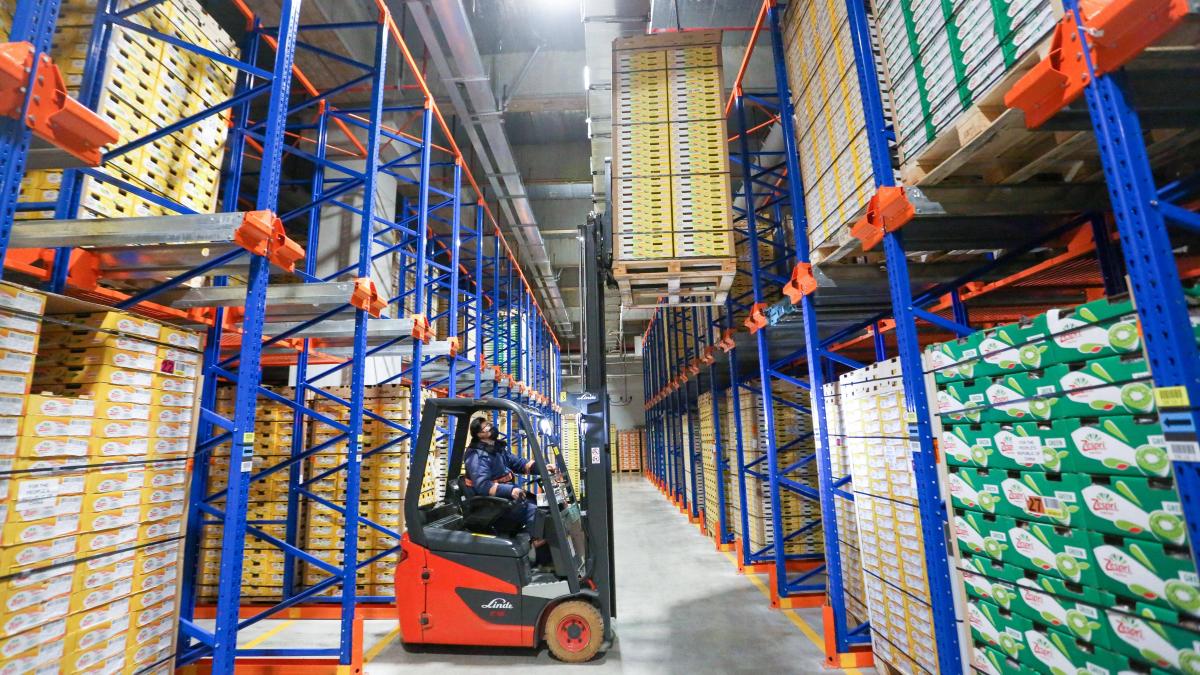


On Sept. 3, 2026, Emma Wu, chairperson of VX Logistics, and Rahul Badge, head of in-market supply chain at Zespri International, sat down for an exclusive interview with Produce Report at Zespri’s booth during Asia Fruit Logistica.

As an active practitioner of China’s supply chain globalization, Wu focuses on cold chains, fresh produce supply chains, logistics infrastructure and industrial synergy. Under her leadership, VX Logistics has become an industry-leading integrated multi-temperature logistics service provider, with its cold chain capacity firmly leading in Asia and among the top tier globally.
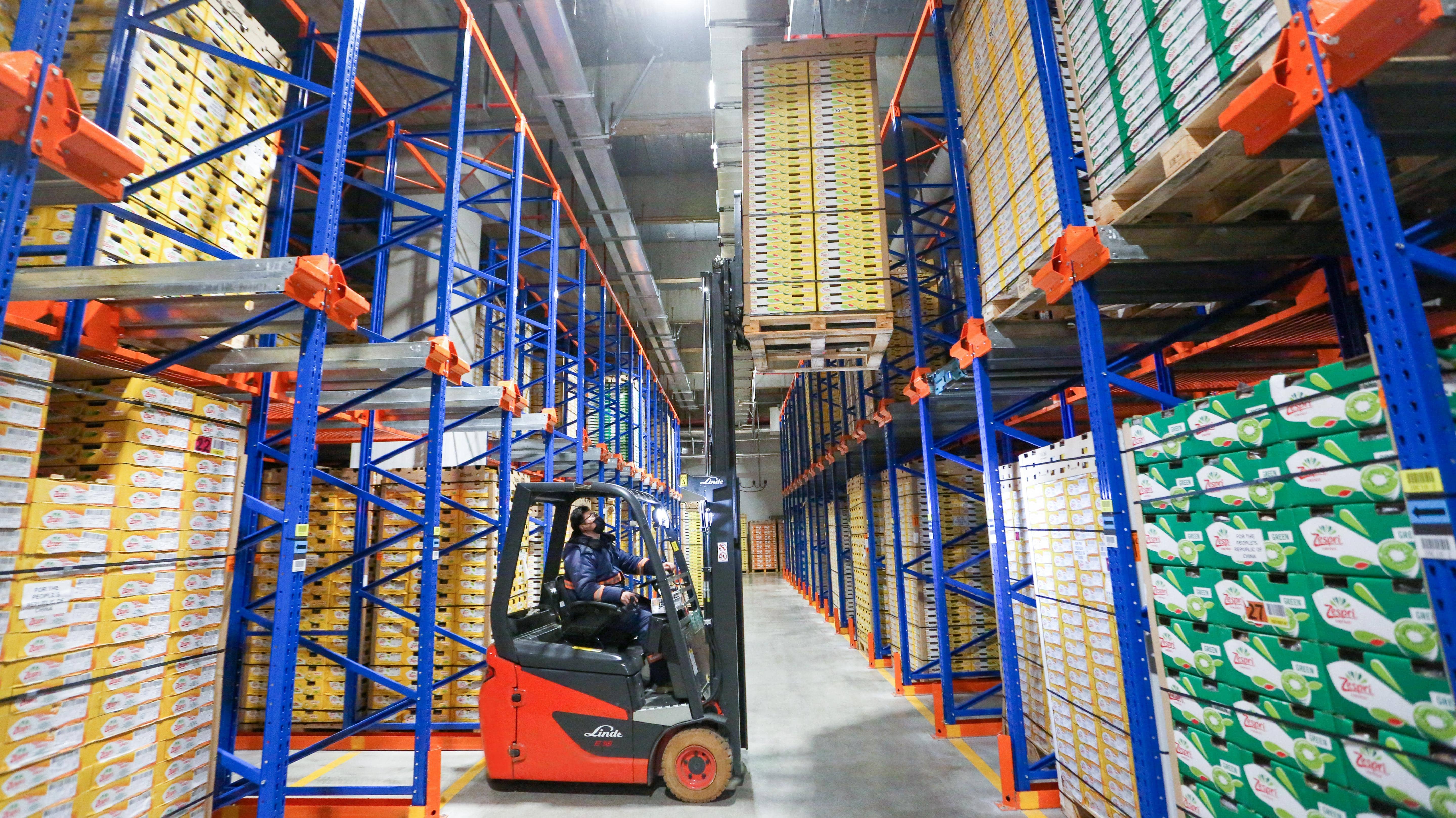
The two companies have been working together since 2016, handling more than 200 million cartons of kiwifruit. As they enter their second decade of partnership, Zespri is implementing its 2035 strategy, with the goal of increasing global sales to two to three times the 2025 level. VX Logistics, meanwhile, has established itself as Asia’s largest cold chain operator and a leading global player, while continuing its transformation into a leading provider of integrated, multi-temperature logistics services.
China: The Most Challenging Market, and One of the Biggest Opportunities
Wu explained that China is a challenging market because international brands compete alongside a growing range of domestic products. At the same time, she said that the market offers significant opportunities as consumer demand continues to grow, particularly with respect to fresh food and cold chain products. “Behind every brand is quality,” according to Wu. Beyond having high-quality varieties, maintaining consistent fruit quality throughout the entire supply chain is critical. A piece of fruit entering China from an overseas growing region may pass through repacking, sorting, order splitting and multiple other stages before reaching consumers. Ensuring consistent temperature and humidity throughout the process is therefore essential, explained Wu.
Badge also emphasized that quality is fundamental to fresh produce. For premium fruit in particular, he said, “you can’t achieve any success if you’re not able to offer a more consistent, reliable quality.”
Badge then pointed to the need for end-to-end control of each product within the supply chain. Without it, a company cannot truly control its product. That control depends on having the right partners — those who prioritize quality and are willing to invest in both quality and technology. This, he explained, is one of the fundamental goals that international brands have sought to achieve: building an enduring supply chain that allows them to control, influence and monitor the fruit until it reaches the consumer. Badge further stressed that partners must share the same vision and values, as well as a belief in the opportunity that exists in the China market. Only then, he said, can collective efforts drive progress toward the goal.
Redefining the Cold Chain: From Cost Center to Value Center
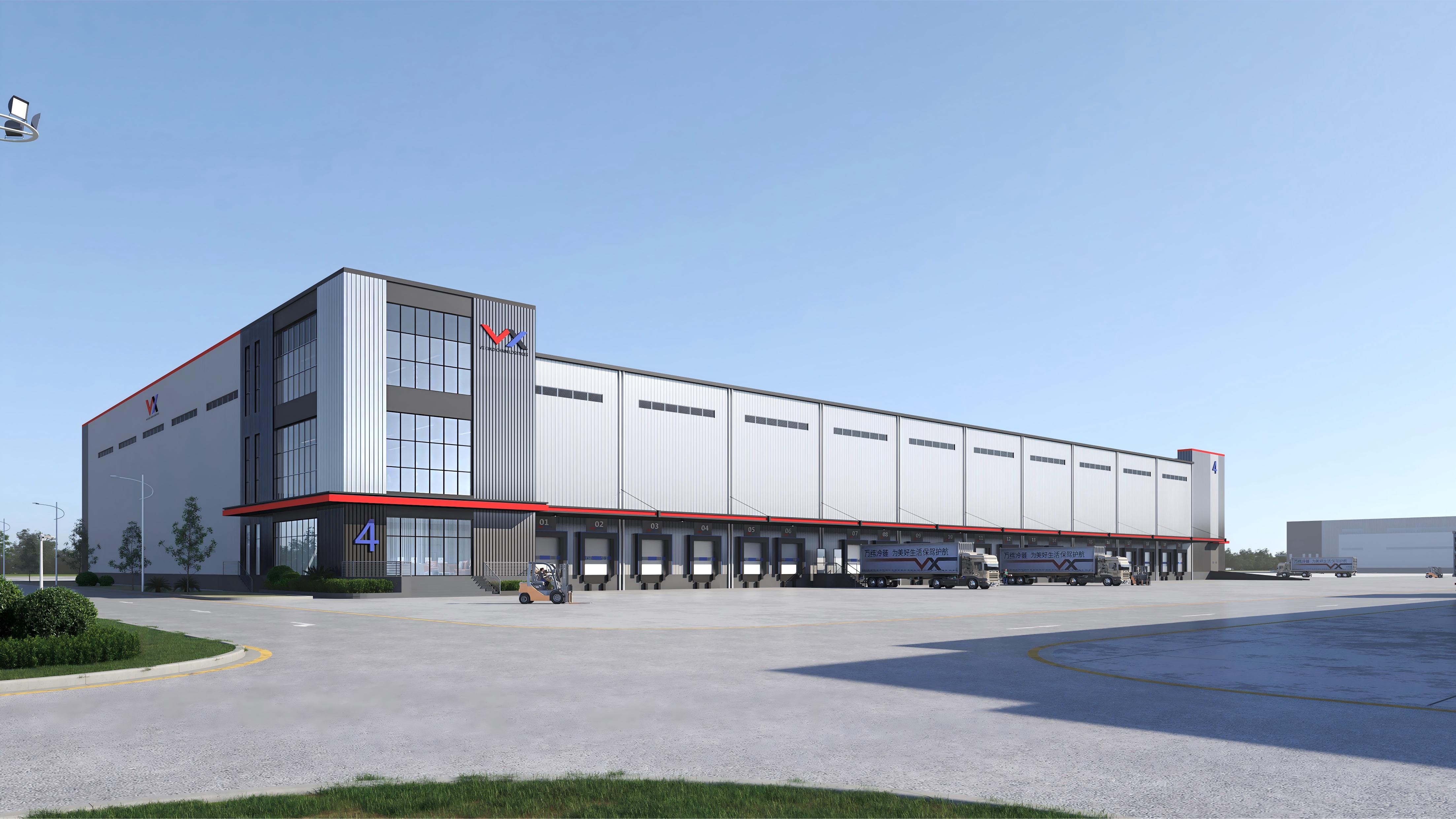
Wu repeatedly emphasized a central point during the interview: cold chain logistics should not only be viewed simply as a cost center but also as a value center. The logic is straightforward. Bringing similar products together and moving them to the same destination under the same high standards can make logistics more efficient and cost effective. More efficient, lower-cost distribution can ultimately allow consumers to access better products at more competitive prices, while giving brands better service levels, lower costs and stronger margins. The decade-long partnership with Zespri provides an example. Protecting fruit quality in storage, while reducing and slowing fruit loss, is part of the value behind a premium brand. “In the past, if fruit loss was high, it was simply treated as waste,” Wu said, “but when you minimize that loss, you are actually creating greater commercial value.”
Badge framed this within Zespri’s 2035 strategy of becoming the world’s healthiest food brand, built on three components: brand, supply chain and the portfolio of the future. “When Zespri’s CEO talks about it, he said the supply chain is always in the center because the brand is making a promise to the consumer and you can’t deliver that promise unless you have the right supply chain.”
Badge noted that Zespri is no longer focused only on product quality at the end of the logistics process but is instead examining quality throughout the entire journey — what he described as “whole-chain discipline.” This means that Zespri is not looking for partners that merely provide transportation or storage space, but for those that view their role as offering a solution to Zespri’s objectives, encompassing both the physical and digital aspects of logistics.
Brands increasingly need visibility into the entire supply chain, including freshness, humidity conditions and the continuity of cold chain operations. This is where companies such as VX Logistics can provide the integrated cold chain capabilities that brands increasingly require.
Looking Forward to the Future
Wu summarized her company’s commitment in one sentence: “We aim to provide consumers with healthy and safe food through higher efficiency and more consistent quality.”
Badge also pointed out that “We may be eating the same fruit, but how we move it, grow it, and transfer it will be fundamentally different.” The next decade, he explained, will focus on drawing predictive and cognitive insights from existing infrastructure, the second major challenge being to create value beyond what was generated by building it. This requires a mindset shift across the value chain. Technology and AI must deliver business value and outcomes, not be pursued for their own sake; ultimately, they must return value to growers.
Evolving consumer expectations — fresher, faster, more convenient, fully transparent — are reshaping supply chain requirements. The supply chain must become more agile, data-driven and responsive. It is no longer just about moving products efficiently, but about enabling consumer trust, supporting sustainability, and delivering a consistent experience across every channel and city.
This is where the partnership with VX Logistics plays a critical role — building a smarter, more resilient, more sustainable supply chain for the next decade.
As VX Logistics and Zespri enter the second decade of their partnership, their story has moved beyond the physical question of how many cartons can fit in a cold storage facility. It has become a broader industry question: How can supply chain capabilities create value for both brands and consumers?
Images: VX Logistics
This article was based on a Chinese article. Read the original article.

Regions:
Produce:

-
September 17, 2026
-
September 16, 2026
-
September 15, 2026
-
September 15, 2026
-
September 15, 2026
-
August 24, 2026
-
August 17, 2026
-
August 20, 2026
-
August 25, 2026
-
August 24, 2026
Upcoming Events

Featured Produce

Produce Marketplace
- ElGhouati Crops · Morocco
- ElGhaoutiCrops · Morocco
- Elangeni Food Group · South Africa
- Hainan ITG Logistics · A26,Haikou
- Joshua Lim · Malaysia
- City fresh fruit co. · Thailand

Add new comment