

You are here
Back to topLow GI Adds New Dimension to Cherry Nutrition Marketing
December 25, 2025
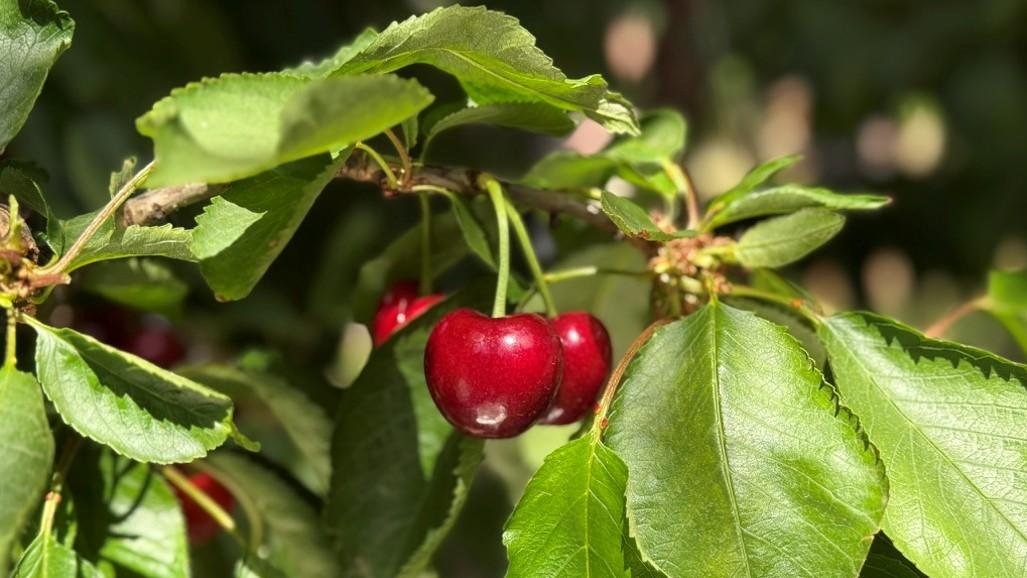


The glycemic index, or “GI,” was once a specialized term reserved for blood sugar management. Today, as consumers pay closer attention to healthy eating, low-GI foods have become a topic of significant public interest. While “low GI” labels are increasingly common on packaged foods, relevant testing data for fresh fruit has been relatively scarce in the domestic market. However, recent reports are beginning to fill this gap. For example, testing results released earlier this month indicate that Santina, the most widely cultivated Chilean cherry variety, falls within the low-GI range.
But what exactly is GI, why are more consumers seeking out low-GI foods and how is the testing conducted? Below, we take a closer look.
The GI value reflects the impact of food on blood sugar levels after consumption. Consuming low-GI foods results in a slower and lower peak in blood sugar rise, which helps reduce blood sugar fluctuations and benefits post-meal blood sugar control. Low-GI foods are commonly sought out by people with diabetes or prediabetes, who need to monitor and manage their blood sugar levels.
Since low-GI values are more blood-sugar-friendly, how does one choose low-GI foods? When measuring GI, glucose (with a GI of 100) is used as the reference, with results ranging from 0 to 100. A GI value of ≤55 is classified as a low-GI food, GI values between 55 and 70 are regarded as medium-GI foods, and a GI value of >70 is considered a high-GI food.
Compared with traditional laboratory-based nutrition testing, measuring the GI of a food takes more time and money. This is because the glycemic index reflects the physiological effect of a food on the human body, meaning that testing must be conducted on actual human subjects. Moreover, glycemic responses vary between individuals. Therefore, human testing involves giving the food in question to multiple human test subjects (in China, typically at least 12 people) and comparing their blood sugar responses to those produced by a reference food. This process must be repeated multiple times to ensure the stability and scientific reliability of the results.
Despite the high cost of testing, some companies and industry associations in the fresh fruit industry have decided to undertake the testing process in order to generate more evidence that their products are low-GI foods and reassure consumers. This is partly because some consumers simply assume that a fruit that tastes sweet must have a high GI. In fact, fresh fruits can taste sweet while still having a much lower GI than non-sweet-tasting staples such as white rice. This is because the starches in white rice are rapidly broken down into glucose during digestion, while white rice contains very little fiber to slow glucose absorption. By contrast, fruits contain dietary fiber and other components that can slow down sugar absorption. The fructose they contain can also reduce the glycemic efficiency of glucose, thereby aiding in blood sugar regulation through their inherent properties.
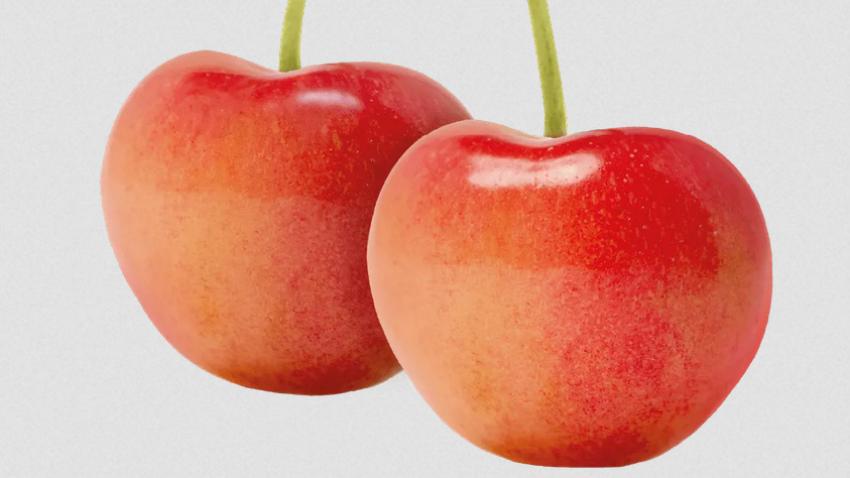
Through testing by a domestic institution, cherries of the Santina variety produced in Chile were found to have a GI value of 39. According to the GI classification standard, Chilean Santina cherries, with a GI value of ≤55, belong to the low-GI food category. This means that although these Santina cherries taste sweet, they are genuinely a low-GI food. Further studies will reportedly be conducted during the 2025/26 season on the Lapins and Regina varieties. Together, Santina, Lapins and Regina accounted for approximately 83% of Chile’s cherry exports during recent seasons. Therefore, if the testing results indeed show that Chilean Lapins and Regina are also low-GI, it will provide evidence that a large majority of Chilean cherries are low in GI.
The “Chinese Medical Nutrition Therapy Guidelines for Overweight/Obesity” (2021) indicate that low-GI foods are often characterized by low energy content and high dietary fiber. They can promote gastric accommodation, increase satiety and help reduce total energy intake.
In winter, low temperatures can easily lead to increased consumption of foods high in sugar, salt and fat, with takeout and fast food being common examples. Fresh fruits, as a natural source of nutrition, are convenient, tasty and well-suited as a nutritional boost during winter.
Cherries, a common fresh fruit in winter, are also a healthy low-GI food. Against the backdrop of consumers pursuing healthy diets, cherries not only excel in appearance and flavor and provide nutrients such as potassium, magnesium and anthocyanins, but their low GI value has also become an additional advantage.
Image: © 2025 Produce Report
Topics:
Produce:


-
August 09, 2026
-
August 06, 2026
-
August 05, 2026
-
August 04, 2026
-
August 03, 2026
-
July 12, 2026
-
July 15, 2026
-
July 27, 2026
-
July 15, 2026
-
July 19, 2026
Upcoming Events



Produce Marketplace
- ElGhouati Crops · Morocco
- ElGhaoutiCrops · Morocco
- Elangeni Food Group · South Africa
- Hainan ITG Logistics · A26,Haikou
- Joshua Lim · Malaysia
- City fresh fruit co. · Thailand

Add new comment