

You are here
Back to topInterview: Argentina’s Cherry Industry Targeting Early- and Late-Season Markets To Gain Competitive Edge
November 10, 2026



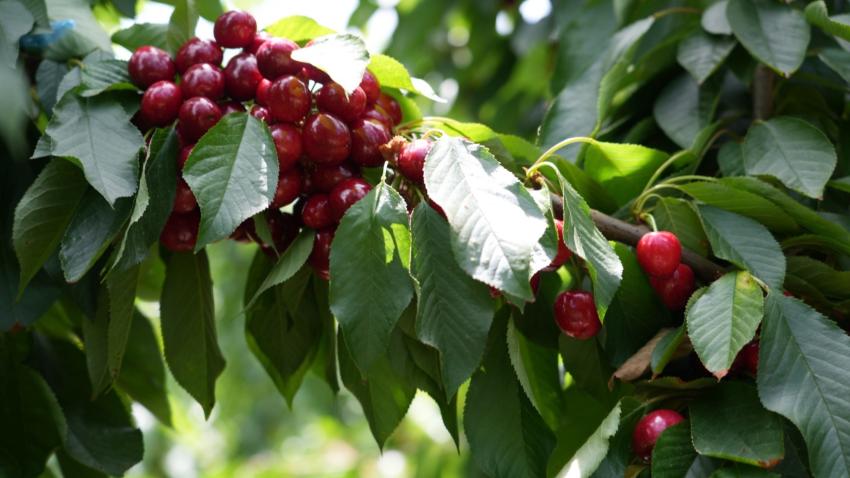
As November begins, Argentine cherries are gradually being harvested and brought to market, with China among the first export destinations. This year, lower spring temperatures in the main producing regions have delayed the cherry harvest by 5–15 days. However, from a longer-term perspective, the Argentine cherry industry is exploring a differentiated path — redefining its position in the Southern Hemisphere cherry trade by strategically staggering the availability of early- and late-ripening varieties.
During Fruit Attraction 2026 in Spain, Aníbal Caminiti, general manager of the Argentine Chamber of Integrated Cherry Producers (CAPCI), spoke with Produce Report and outlined the Argentine cherry industry’s new export strategy.
Argentina produces approximately 16,000 metric tons of cherries annually, of which about 8,000 metric tons are exported. Exported cherries primarily come from the provinces of Río Negro and Neuquén. About 30% of Argentina’s exported cherries go to China, corresponding to approximately 2,400 metric tons.
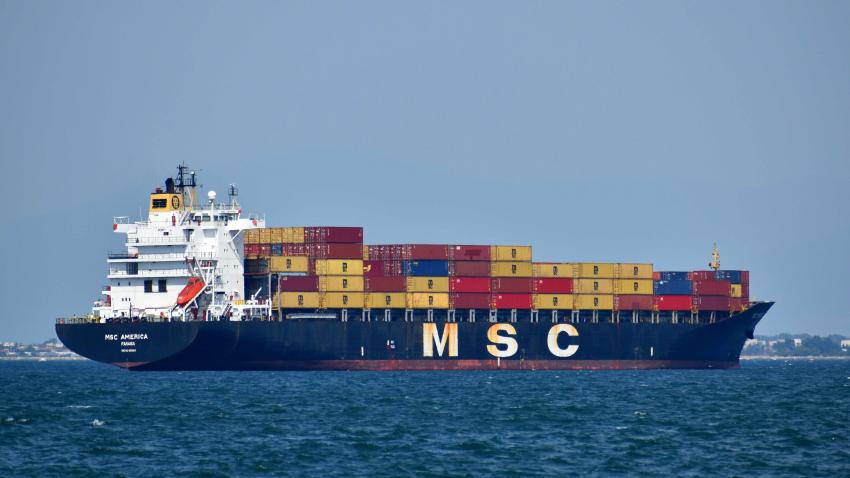
“Argentine cherry exports usually begin in late October and continue through mid-December, almost entirely by air. Because our volume is small, air freight better safeguards cherry quality, but we are also exploring sea freight,” Caminiti explained.
According to Argentine media reports, in mid-August 2026, cherry orchards in the valley growing areas of Jujuy in northwestern Argentina entered full bloom earlier than usual as a result of targeted cultivation practices. These cherries could ripen as soon as late September, reaching commercial harvest standards and potentially gaining an early advantage in the market.
“If Argentine cherries ripen starting in September, they will be among the earliest cherries on the market in the Southern Hemisphere. In the near future, Argentina will be able to supply cherries in September and October, which is a highly promising prospect,” Caminiti went on to say.
With respect to the late season, Argentina is also adjusting its export rhythm. As Caminiti explained, “In recent years, Chilean cherry supply has been strong, and prices have fallen significantly. However, shipments to China by sea in January and early February have been lower, especially after the Chinese New Year. If we hold our very late-maturing cherries until late February to March and ship them by sea, they can arrive by late March to early April. In the past few years, we have tried shipping in late February, with cherries successfully arriving in Guangzhou in March or early April. At the end of the current season, in spring 2027, we will continue to do so.”
Caminiti believes this to be a highly effective strategy, allowing Argentina to avoid December and January when Chilean cherries arrive in large volumes. He also noted that Argentina exports cherries to Europe, including Spain and the United Kingdom, and is a particularly important supplier of fresh cherries to Middle Eastern countries.
The main Argentine cherry varieties are Santina, Lapins, Sweetheart, Royal Dawn, Regina, Skeena and Kordia, all of which are highly popular among Chinese consumers. Early-ripening varieties are relatively few and include Nimba, Pacific Red and Frisco, while the main late-ripening varieties are Kordia, Sweetheart and Staccato.
Image: © 2026 Produce Report

Topics:
Produce:



-
November 10, 2026
-
November 09, 2026
-
November 09, 2026
-
November 08, 2026
-
November 05, 2026
-
October 20, 2026
-
October 19, 2026
-
October 21, 2026
-
October 27, 2026
-
October 14, 2026
Featured Produce

Produce Marketplace
- Pujiang Tangguo Agri · China
- Pujiang Tangguo Agri · China
- ElGhouati Crops · Morocco
- Hainan ITG Logistics · A26,Haikou
- Joshua Lim · Malaysia
- City fresh fruit co. · Thailand

Add new comment