
Anthocyanins + Vitamin C + Low GI: What Is the Nutritional ‘Hard Power’ of Chilean Cherries? [1]
Submitted by Produce Report [2] on
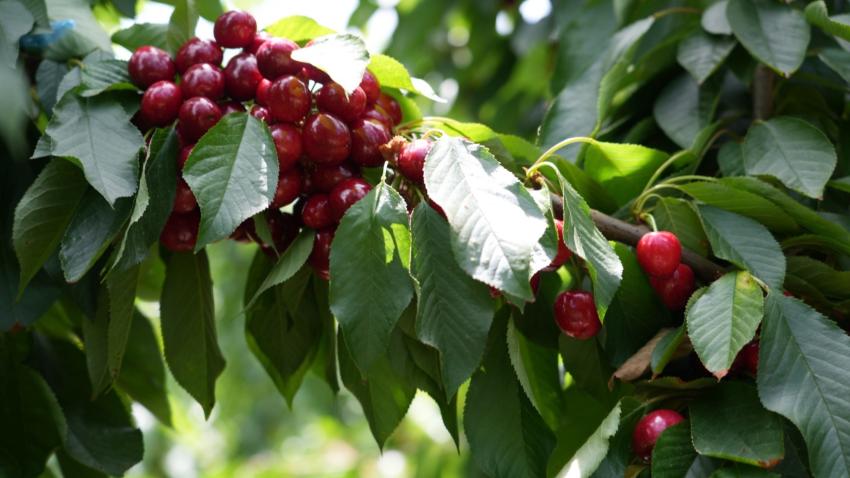
As temperatures drop, Chilean cherries [3] have once again appeared on store shelves right on schedule, gradually shifting from a festive ritual to an everyday snack for consumers. Sweet, crisp and juicy — that’s most people’s first impression. But if they are promoted merely as a “delicious imported fruit,” we may be underestimating them.
Now that Chilean cherries have just started hitting the market, let’s take a few minutes to understand their nutritional “hard power” — and see what this little red fruit can bring to our daily diet beyond satisfying our taste buds.
Frutas de Chile, in partnership with the Chinese Nutrition Society, is carrying out consumer education initiatives to promote a healthy lifestyle that includes an appropriate daily intake of fruit. The “Dietary Guidelines for Chinese Residents” (2022) recommend eating fruit every day and note that fruit juice cannot replace fresh fruit. However, surveys show that the average fruit intake of Chinese residents is far below the recommended standard, with only about 37% of adult residents eating fruit at least once a day. As a seasonal fresh fruit for winter, Chilean cherries can help meet consumers’ daily demand for fresh fruit, supporting a balanced diet and enriching the nutrients [4] the body needs during the colder months.
According to the “Chilean Cherry Composition Analysis Report” by China Inspection and Testing (Shanghai) Testing Technology Co. Ltd., Chilean cherries contain an average anthocyanin content of 26.0 milligrams per kilogram and are rich in vitamin C, with an average vitamin C content of 10.7 milligrams per 420 kilojoules.
In addition to nutrients, glycemic index has also become a focus of consumer attention in recent years. GI reflects the impact of food on blood sugar after consumption. Low-GI foods can significantly alleviate postprandial hyperglycemia, reduce blood sugar fluctuations and support post-meal blood sugar control, whereas high-GI foods can cause rapid and dramatic changes in blood sugar.
According to the “International Tables of Glycemic Index and Glycemic Load Values [5],” cherries fall within the low-GI fruit category (GI ≤ 55). Domestic clinical trial reports show that the GI values of the Chilean cherry varieties Santina, Lapins and Regina are 39, 38 and 30, respectively.
In terms of translating cherry nutrition science into market action, Frutas de Chile is advancing efforts on both the trade and consumer fronts. On the trade side, the association continues to conduct nutrition research and consultation, while launching nutrition training programs for retailer management, frontline staff, online platforms, suppliers and livestream hosts, and it has established partnerships with institutions such as the Chinese Nutrition Society. On the consumer side, the association incorporates nutrition information into cherry packaging in the form of stickers and leaflets, collaborates with nutrition experts on social media and in mainstream media, and brings the nutritional benefits of cherries to life through animated videos featuring the cherry mascot.
The market competitiveness of Chilean cherries ultimately depends on recognition of their “value” among consumers. Sweetness, crispness and juiciness are the foundation, while nutritional “hard power” provides additional support for their entry into everyday consumption scenarios. For traders and distributors, accurately communicating the nutritional information of Chilean cherries is more conducive to building repeat purchase habits than simply emphasizing “imported” or “delicious” — and more conducive to turning cherries from a “festive fruit” into an “everyday choice.”
Frutas de Chile has prepared a dedicated Chilean cherry nutrition resource kit for traders and retailers. You can download it free of charge [6] according to your needs (code: VBU1).
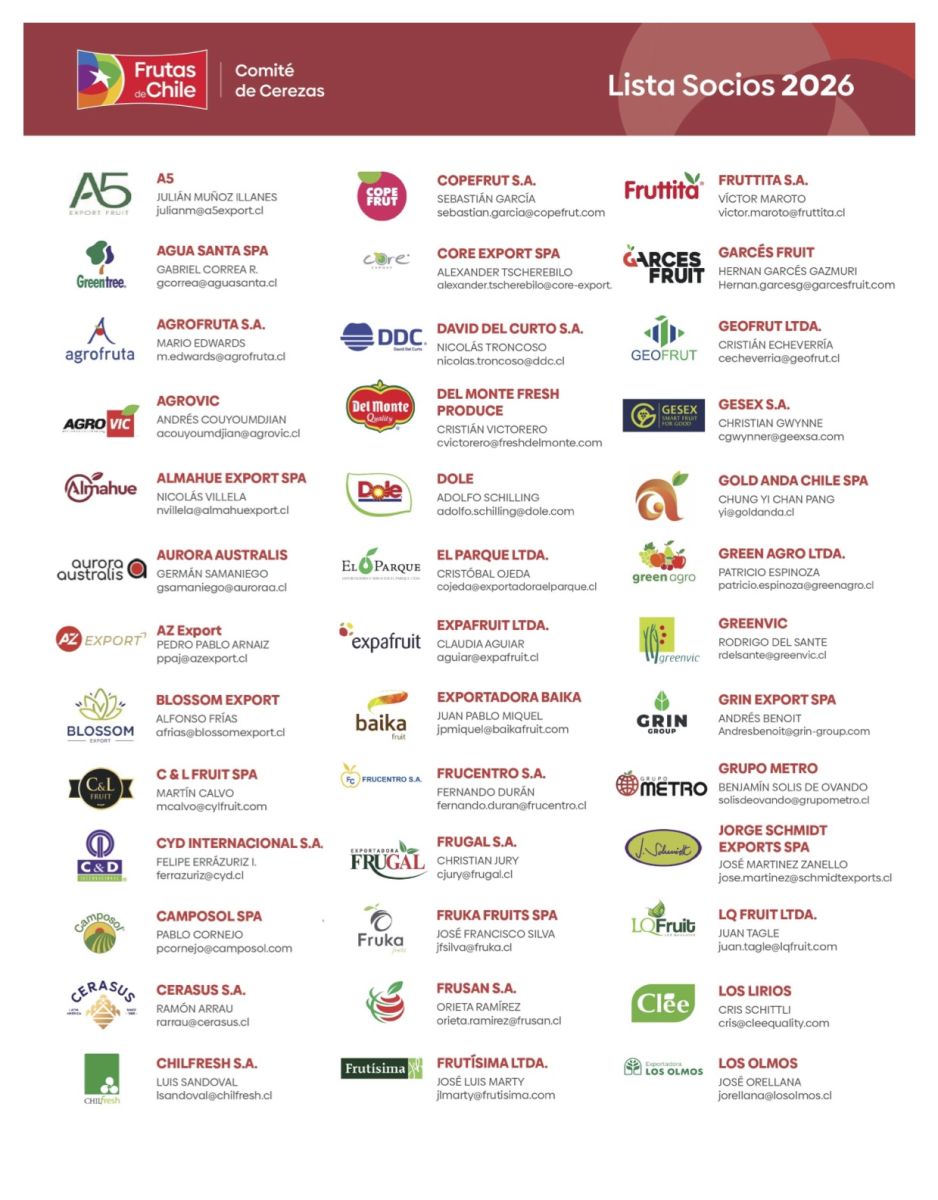
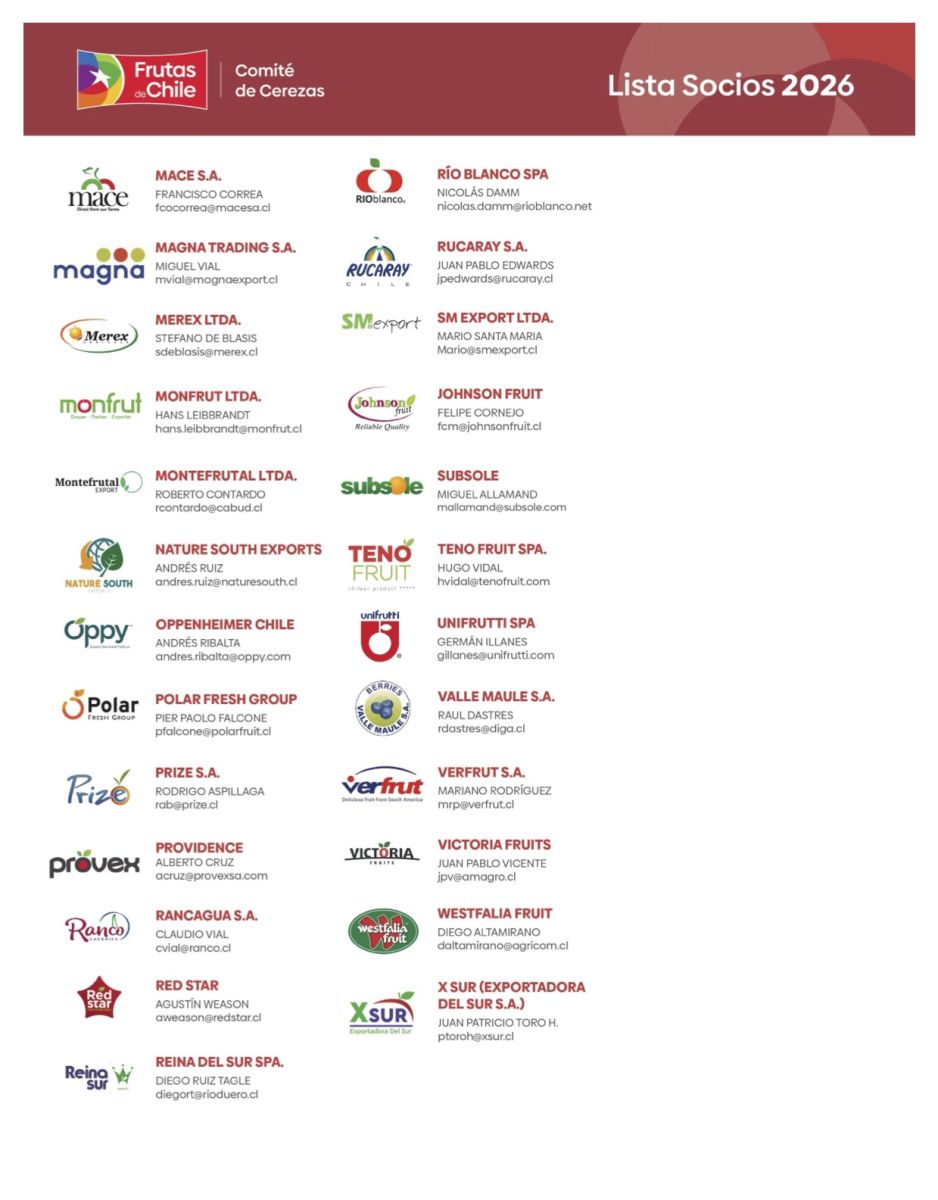
Chilean Cherry Committee Member List and Contact Details
Images: Frutas de Chile
This article is also available in Chinese. Read the Chinese article [7].
