
Staccato Cherry Patent Dispute Ends in Settlement [1]
Submitted by Jing Zang [2] on
According to a news report [3] by Farms.com, Canada’s Summerland Varieties Corporation recently reached a significant settlement in its patent dispute over Staccato cherries [4] with U.S.-based Monson Fruit Company.
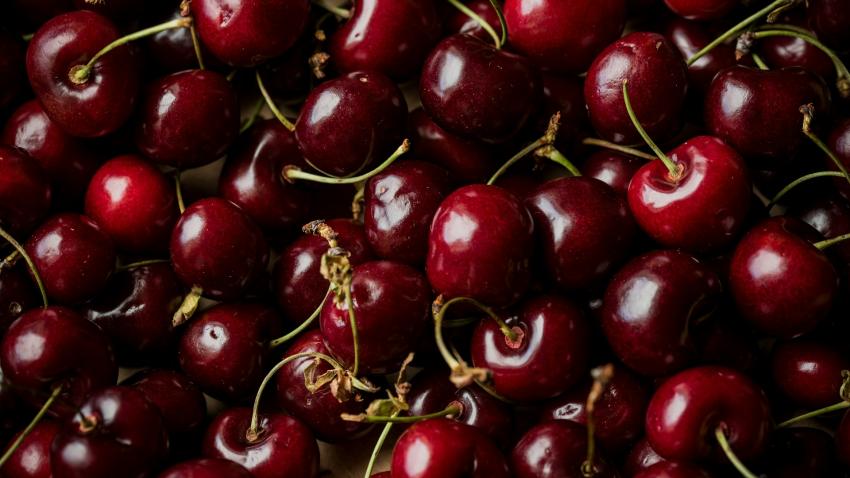
Staccato cherries were developed in 1982 through a fruit tree breeding program funded by Agriculture and Agri-Food Canada and officially released in 2002. As a late-season variety, Staccato ripens in early August, approximately one month later than Sweetheart and Bing. The variety produces large fruit with dark-colored skin, relatively long stems, sweet, aromatic flesh, and a firm texture.
Summerland Varieties Corporation is a variety rights management company that licenses apple, cherry and berry varieties in Canada and internationally. The company manages several well-known cherry varieties and brands, including Lapins, Santina, Sweetheart, Staccato, Skeena, Samba and Sentennial [5].
The dispute lasted more than six years and stemmed from allegations by AAFC that Washington State-based fruit tree supplier Van Well Nursery Inc. had improperly provided a Staccato tree to the Goodwins when selling them cherry tree seedlings. The Goodwins soon recognized that the tree was distinct from other varieties, naming it Glory and obtaining a patent for it in 2012. Monson subsequently grew cherries from the variety and marketed them under the names Glory and Omega.
It took AAFC five years to establish that Glory cherries were in fact Staccato. As the trial date approached, Summerland announced that it had reached a settlement with Monson, under which Monson agreed to pay substantial royalties on past and future sales of the Staccato variety, with the proceeds to be reinvested in AAFC’s fruit tree breeding programs.
The settlement agreement also imposed restrictions on Monson’s future activities involving the cherry variety. Under the agreement, Monson agreed not to export the variety outside the United States [6] until 2032 and not to propagate new Staccato trees until 2029. The settlement followed earlier agreements reached with other defendants in the case. According to reports, those agreements required the destruction of unauthorized Staccato trees and the transfer of the Glory patent to AAFC.
Image: Unsplash
This article was based on a Chinese article. Read the original article [7].
