
Guangxi’s Pinglu Canal Reshapes China–ASEAN Fruit Trade [1]
Submitted by Jing Zang [2] on
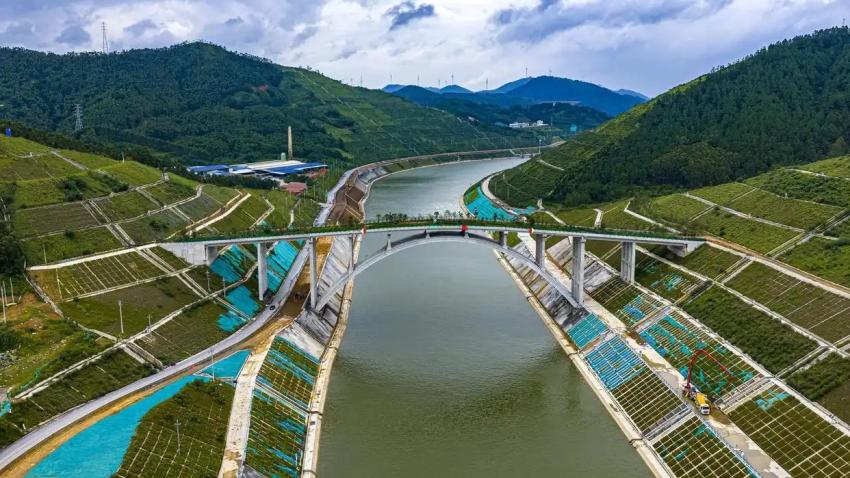
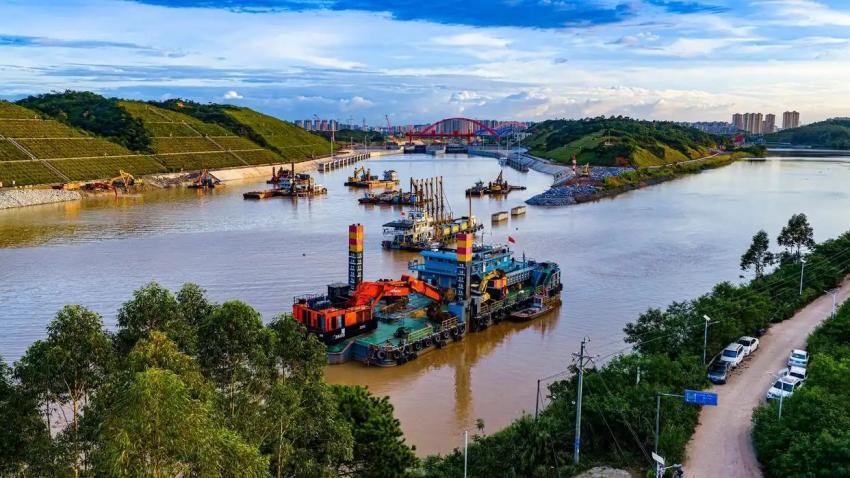

On Sept. 16, the 134.2-kilometer Pinglu Canal officially opened to navigation, allowing vessels of up to 5,000 metric tons to pass through. Stretching from the Pingtang River estuary in Hengzhou, Nanning, in the north to the Beibu Gulf in Qinzhou in the south, the canal marks the end of Guangxi’s long-standing lack of a direct river-to-sea waterway and opens a new, lower-cost corridor for China’s fruit import and export trade.
On the import side, fruit from ASEAN countries can reach China faster and at lower cost. As a major entry point for fruit from Southeast Asia, Guangxi handled more than 1.73 million metric tons of ASEAN fruit imports in the first seven months of this year, valued at 26 billion Chinese yuan ($3.9 billion). About one in every three imported durians [3] entering China passes through Guangxi. Qinzhou Port has launched nine dedicated fruit shipping routes, with the fastest services able to transport fruit from Thailand to Qinzhou in just three days.
Traditionally, after fruits arrive at ports in the Beibu Gulf, they must be transported through Nanning and Liuzhou before reaching inland markets such as Guizhou and Yunnan, resulting in relatively high road and rail transportation costs.
With the canal now open, vessels can travel directly from Qinzhou Port into the Xijiang River, shortening the route by about 560 kilometers compared with routes through the Pearl River Delta. Overall logistics costs are expected to fall by 18% to 30%. Industry estimates suggest that the total cost of shipping ASEAN fruits to China could eventually decline by an additional 30%.
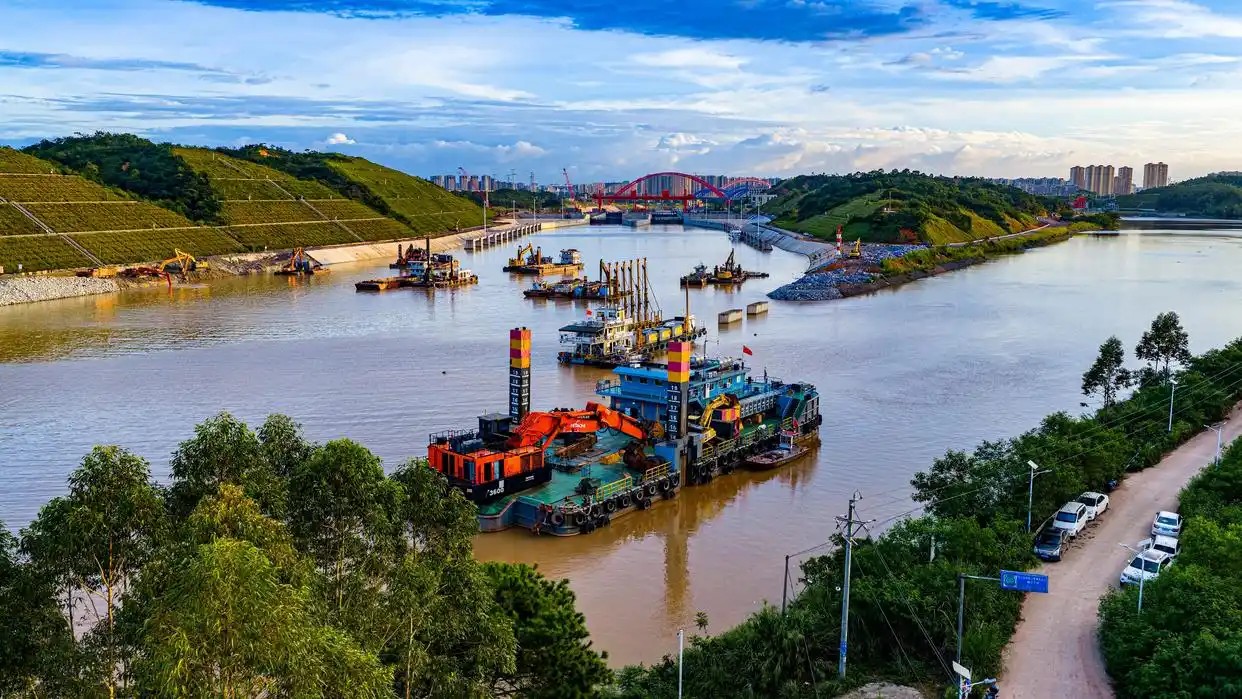
On the export side, fruit grown in Guangxi can now reach overseas markets directly rather than relying on ports in neighboring provinces. Guangxi has been China’s top fruit-producing province for eight consecutive years, with an output exceeding 35 million metric tons in 2025. Mangos, dragon fruit [4], Ponkan tangerines and other premium citrus varieties are among the region’s key products.
For inland fruit-producing areas in Guangxi, however, exports have traditionally gone through the Port of Guangzhou in Guangdong province. This process may take up to two weeks, increasing the risk of losses for fresh produce while also driving up transportation costs.
With the canal now open, cargo can travel from Guangxi’s capital of Nanning to Qinzhou Port in less than a day and, combined with ocean shipping, reach Southeast Asian markets in about three days. Wuming’s Ponkan tangerine exports to Southeast Asia, for example, previously took about two weeks via Guangzhou. The canal route is expected to cut transit times by more than half and reduce freight costs by 20–30%.

The Pinglu Canal’s value extends beyond one-way transportation. Outbound vessels can carry fruit from Guangxi and southwestern China to ASEAN and African markets, while return voyages can transport tropical fruits from ASEAN countries to inland regions of China. More efficient coordination of two-way cargo flows could help distribute transportation costs more effectively across shipments.
The canal also integrates the Xijiang River shipping system with the railway network in southwestern China and the Beibu Gulf port cluster. Fruit from Yunnan, Guizhou and Sichuan could use Guangxi as an export gateway, helping the region evolve from a transit corridor into a major fruit distribution hub serving both China and ASEAN markets.
Temperature-controlled vessels and cold-chain loading and unloading facilities at ports are still under development. In the short term, highly perishable fruits are likely to continue relying primarily on road and rail transportation, while more storage-tolerant citrus fruits are expected to be among the first to benefit from the canal’s high-capacity water transport.
Images: Beijing News
This article was translated from Chinese. Read the original article [5].
